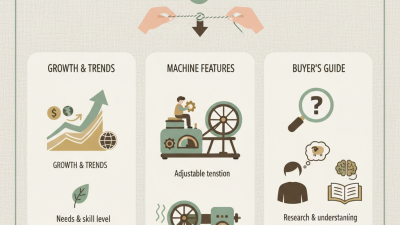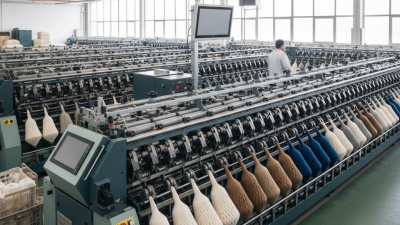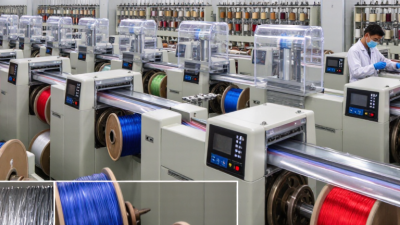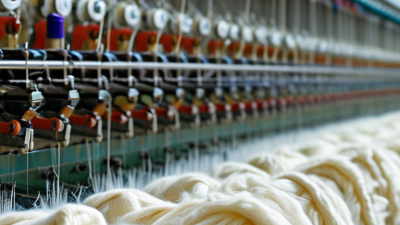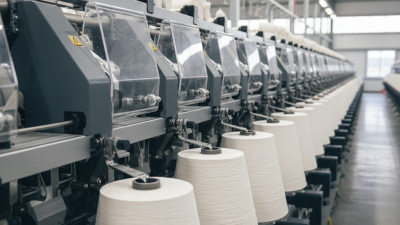
Global buyers are entering 2026 with strong demand for efficient polyester filament production. The right fdy yarn machine must deliver stable denier, consistent winding, low energy use, and dependable uptime.
Textile Exchange’s 2024 Materials Market Report states that global fiber production reached approximately 124 million tonnes in 2023. Polyester represented about 57% of total output, confirming its continuing importance in apparel, home textiles, and industrial fabrics. This scale creates pressure for reliable FDY equipment, especially in plants serving export markets. Every filament matters.
The International Textile Machinery Federation’s shipment statistics also show changing investment patterns across spinning and filament technologies. Buyers increasingly compare automation, production speed, energy consumption, digital monitoring, and after-sales support before signing contracts. Market reports often disagree on future growth rates. That uncertainty deserves attention. A machine that looks affordable may create hidden costs through waste, maintenance delays, unstable tension, or difficult spare-part sourcing.
This guide evaluates the best fdy yarn machine options for global buyers in 2026. It considers manufacturer experience, engineering specifications, lifecycle cost, and practical factory performance. Evidence should come from audited tests, customer references, and measurable output data. Marketing claims alone are not enough. A clean machine room means little if yarn quality changes during night shifts.
Important details include polymer compatibility, spinning positions, winding precision, control-system reliability, and operator training. Buyers should also verify installation standards and local technical support. The best choice is rarely the machine with the highest advertised speed. It is the system that maintains quality, reduces avoidable downtime, and fits the buyer’s actual production conditions. Mistakes still happen. Good evaluation makes them less expensive.
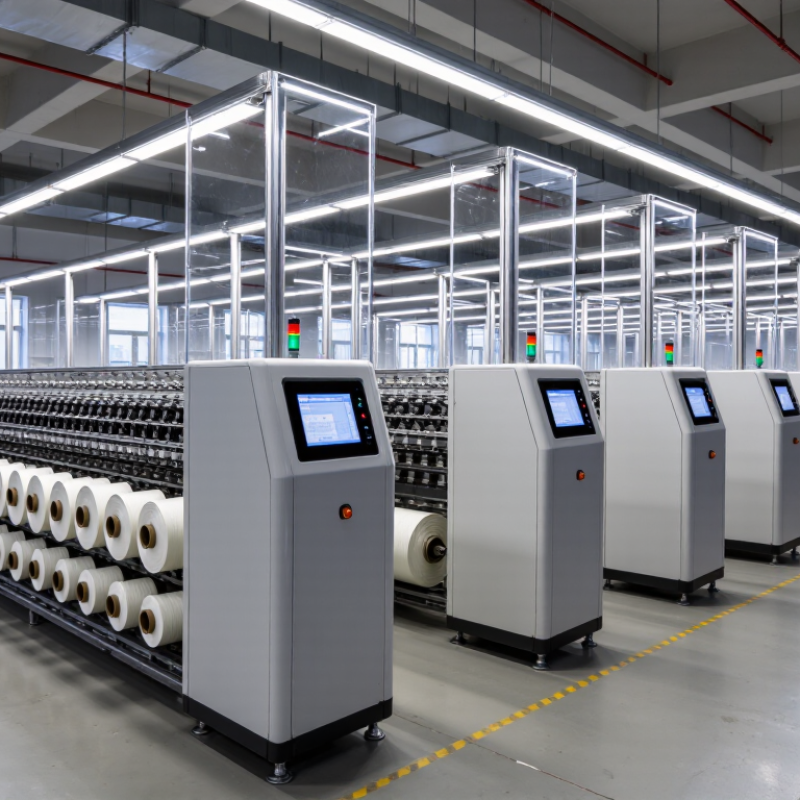
An FDY yarn machine produces Fully Drawn Yarn in one continuous process. It melts polymer chips, usually polyester or nylon, and pushes the melt through a spinneret. The spinneret forms many fine filaments. A cooling airflow then solidifies them evenly.
The yarn passes across heated rollers called godets. These rollers control speed, tension, and drawing ratio. Drawing stretches the filaments and aligns their molecular structure. Heat setting helps stabilize the yarn before winding. A precision winding unit then places the yarn onto packages with consistent tension and shape.
Small details matter. A temperature change can affect yarn strength, shrinkage, and dye absorption. Excessive tension may create broken filaments. Low tension can produce loose packages.
Experienced technicians monitor pressure, airflow, roller speed, and winding density during production. They also test denier, elongation, tenacity, and appearance.
A machine can run smoothly and still make uneven yarn. That is why online sensors should support, not replace, physical testing. Operators need clear records for each production batch. Maintenance also matters, especially around spinnerets, filters, heaters, and godet surfaces.
No setup is perfect. Even a well-designed FDY line may require adjustments when polymer quality, humidity, or production speed changes. Global buyers should examine control accuracy, energy use, spare-part access, and technical training before selecting an FDY yarn machine for 2026.
2026 Best FDY Yarn Machine for Global Buyers?
Key Technical Specifications of 2026 FDY Yarn Machines
A modern FDY yarn machine should match production targets, yarn count, and factory conditions. Spinning speed is a major indicator, but maximum speed alone can mislead buyers. Stable operation matters more during long shifts. Check the supported denier range, filament count, and heating temperature control. Precise heaters help maintain yarn uniformity and reduce broken filaments. A practical system should also provide accurate godet speed control, low tension variation, and consistent winding hardness. Servo-driven components can improve synchronization and reduce adjustment errors.
Tips: Ask for test data using your intended polymer and yarn specification. Review Uster results, energy consumption, noise levels, and average downtime. Request sample packages, not only catalog figures. Small details matter.
Modern control systems should record tension, temperature, speed, and alarm history. Remote diagnostics may shorten troubleshooting, although stable local technical support remains essential. Inspect the winding unit carefully. Package density, edge quality, and traverse accuracy affect downstream weaving and knitting. Energy-saving heaters sound attractive, but savings depend on insulation, ambient temperature, and operator habits. A perfect specification sheet does not guarantee perfect yarn. I have seen impressive figures hide difficult maintenance routines. Buyers should compare spare-part access, training, installation space, and safety compliance before choosing equipment. Trial production is still the most reliable check.
2026 Best FDY Yarn Machine for Global Buyers?
How to Compare FDY Machines for Global Production Needs
Choosing an FDY machine requires more than comparing catalog speed and purchase price. Buyers should match output to yarn denier, polymer type, filament count, and target markets. A system designed for fine apparel yarn may perform poorly with heavier industrial specifications. Numbers matter.
Review the complete production line, including spinning, drawing, heating, interlacing, winding, and control systems. Ask for stable output data, not only maximum speed. A machine running at 5,000 meters per minute may lose efficiency if yarn breaks increase. Check energy use per kilogram, changeover time, temperature control, and package uniformity. Request test records from materials similar to your planned production.
Reliability also depends on local support. Confirm spare-parts availability, remote diagnostics, technician training, and maintenance procedures. Electrical standards and factory conditions differ across regions, so the machine should support local requirements and documented safety practices. A clear acceptance test can protect both sides during installation.
Do not guess.
A lower purchase price can hide higher energy costs or difficult maintenance. I would also question impressive promises without independent operating evidence. Even experienced teams sometimes underestimate operator training and humidity control. That mistake can affect winding quality for months. A practical comparison should include total ownership cost, verified production results, and the skills available at the intended factory.
How to compare FDY machines for different global production needs
Estimated daily output increases with the number of spinning positions. The benchmark assumes 75-denier yarn, a winding speed of 5,000 m/min, and 90% effective operating time. Buyers should also compare energy consumption, yarn denier range, automation level, floor space, maintenance access, and local utility conditions before selecting an FDY machine for global production.
For global buyers, the best FDY yarn machine in 2026 is not simply the fastest model. It should combine automation, energy efficiency, and stable quality control. In practical line evaluations, automatic threading and recipe management reduce setup errors. Centralized controls can adjust spinning speed, draw ratio, heater temperature, and winding tension. Operators still need training. Automation cannot replace judgment.
Energy Performance
Energy performance deserves close attention. High-efficiency motors, insulated heating zones, and variable-frequency drives can reduce electricity use during continuous production. Heat recovery may also support lower operating costs, especially in large factories. Buyers should request measured consumption data, not only estimated figures. A small difference per kilogram becomes significant after months of operation. Maintenance access matters too, because difficult cleaning can quietly increase energy loss.
Reliable quality control requires online monitoring of yarn tension, denier, oil application, winding hardness, and filament breaks. Alarm records should be clear and exportable for audits. Test runs should inspect package appearance, strength variation, elongation, and dye uniformity. Sensor drift remains a real weakness. It can pass unnoticed without regular calibration. Acceptance testing under normal production conditions is wiser than trusting a showroom demonstration.
The 2026 FDY machine decision should begin with product requirements, not brochure speed. Textile Exchange’s 2024 Material Market Report recorded 124 million tonnes of global fiber production in 2023. Polyester represented about 57% of that output. This scale increases pressure on stable denier control, energy use, and maintenance access.
Ask for verified output data under your target polymer, denier, and winding speed. A factory trial matters more than a showroom demonstration. Check heater uniformity, automatic doffing accuracy, tension fluctuation, and noise levels. Also request a five-year spare-parts list. Some buyers focus on purchase price and later discover expensive control modules or long delivery delays. That mistake is avoidable, though no forecast is perfect.
Installation needs a practical site survey. Confirm floor loading, electrical capacity, chilled-water quality, compressed-air pressure, ventilation, and operator space. ITMF’s 2024 machinery statistics showed continued volatility in global textile-equipment investment, so delivery schedules deserve written milestones. Require installation drawings, commissioning records, training hours, and acceptance tests. After-sales support should include remote diagnostics, local response targets, preventive-maintenance schedules, and bilingual technical documents. Do not assume “24/7 support” means immediate engineering help.
Keep one critical spare set onsite. Record baseline tension and temperature readings during commissioning. Train operators with real yarn, not only classroom samples. Recheck energy consumption after three months; early measurements can expose hidden losses. I would also budget for mistakes, because the first production month rarely follows the plan.