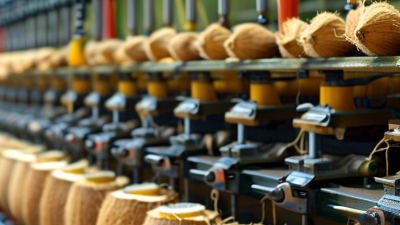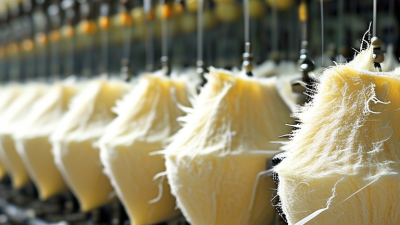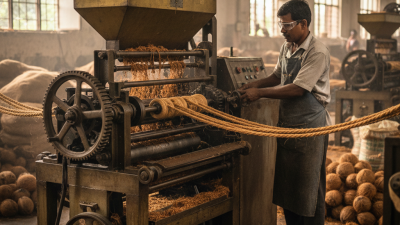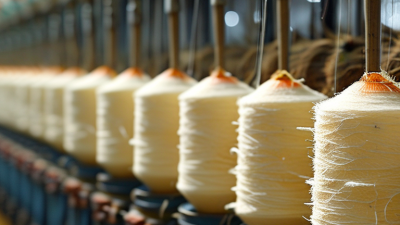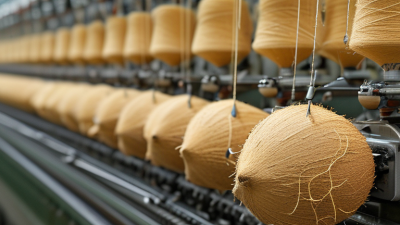
Choosing an automatic coir yarn spinning machine can change how a coir fiber workshop manages time, quality, and daily production. Coir yarn begins with a difficult material. Its fibers are stiff, uneven, and often contain different moisture levels. A reliable machine helps control these variations through steady feeding, regulated twisting, and consistent winding. The result can be a smoother yarn with fewer weak sections and less manual adjustment.
That sounds simple. It is not.
A practical evaluation should examine motor performance, spindle speed, fiber compatibility, maintenance access, and operator safety. Experienced producers also check power consumption and spare-part availability before purchasing. A machine that runs quickly may still waste fiber if its tension control is poor. Small details matter. Dust around the rollers, loose belts, or incorrect feeding can affect yarn strength within hours. Proper training remains essential, even with automated controls.
The strongest reason to select an automatic coir yarn spinning machine is process consistency, not speed alone. Stable production supports dependable supply for ropes, mats, brushes, geotextiles, and other coir products. It may also reduce repetitive labor and improve workplace organization. However, no machine removes every production challenge. Fiber preparation, moisture management, cleaning, and inspection still require skilled attention. Buyers should compare technical specifications with real workshop conditions, rather than trusting impressive output figures.
Some results may disappoint at first. That is normal.
Careful testing with local coir fiber can reveal practical limitations before full installation. A well-selected machine becomes more than equipment. It becomes part of a controlled, measurable, and adaptable production system.
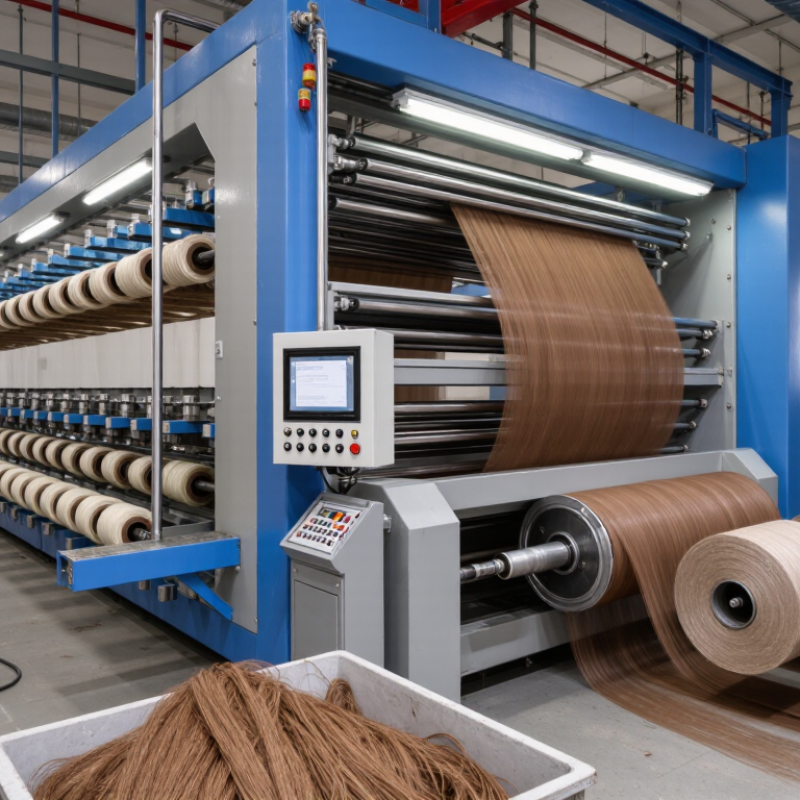
Coir yarn spinning begins with fibers measuring roughly 15–30 cm. Operators feed these fibers into the opening unit, where compressed bundles separate. Cleaning removes dust and short fragments. Alignment follows, because uneven fibers create weak yarn. The twisting chamber then draws, combines, and twists the strands into a continuous rope. Finally, controlled winding forms compact coils for storage or weaving.
FAOSTAT recorded global coconut production above 64 million tonnes in 2022. This matters because coconut husks remain the primary raw material for coir. The International Coconut Community also identifies coconut-producing regions as major sources of coir fiber.
Automatic equipment helps convert seasonal husk supplies into steadier yarn output. Sensors monitor tension, rotation speed, and yarn breaks. Operators can adjust settings before a loose section becomes a full production fault.
The result is not simply faster spinning. Better tension control can produce more consistent diameter and fewer manually corrected knots. A 15-centimeter fiber may need different feeding pressure than a 30-centimeter fiber. That detail is easy to overlook. Moisture also changes grip and twisting behavior. In practice, automatic systems still require trained supervision, regular cleaning, and test samples. No machine removes every variable. The honest question is whether its control level matches your fiber quality, labor capacity, and target yarn strength.
Why Choose an Automatic Coir Yarn Spinning Machine?
An automatic coir yarn spinning machine can produce 20–60 kg/h, depending on fibre quality, yarn thickness, and operator settings. An eight-hour shift could therefore yield 160–480 kg before cleaning, changeovers, and stoppages. That range sounds attractive, but rated capacity is not guaranteed. Wet fibre, uneven feeding, or frequent adjustments can reduce actual output. A production log is essential.
Reduced manual handling is another practical advantage. Workers may spend less time carrying fibre bundles, guiding yarn, and correcting inconsistent feeds. The International Labour Organization reported nearly three million work-related deaths globally in 2019, with physical risks remaining important in manufacturing and agriculture. Automation cannot remove every hazard. Moving parts, dust, noise, and poorly designed workstations still require controls. The safety gain depends on machine guarding, training, maintenance, and sensible workflow design.
Tips: Measure real output for one full shift, not only a short trial. Record kilograms produced, stoppage minutes, fibre waste, and operator interventions. Check whether one worker can safely monitor feeding and winding without rushing. This assumption may fail with variable coir quality. Also compare energy use per kilogram, using guidance from ISO 50001 energy-management practices. Reports from the International Federation of Robotics show growing industrial automation worldwide, yet coir production has different materials and constraints. Local trials matter more than impressive specifications.
An automatic coir yarn spinning machine can improve consistency, but production speed alone cannot prove yarn quality. Linear density and twist require measured evidence. ISO 2060 provides a practical method for determining yarn linear density through mass and length. Operators usually wind a known skein, condition it, weigh it, and calculate tex from the results.
Small details matter. Use a calibrated balance and verify the reel circumference before testing. Keep samples in a controlled atmosphere, because moisture changes can affect coir yarn mass. Record machine speed, fiber preparation, and production date with every sample. These records make unusual results easier to trace.
ISO 2060 focuses on linear density, not twist measurement. Twist should be tested with a suitable complementary method, such as ISO 2061. Set the specimen length carefully, apply consistent tension, and count twist without crushing the yarn. An automatic spinning machine may reduce variation, yet it cannot correct poorly prepared fibers or incorrect settings. Our first test records may look inconsistent. That is useful evidence, not failure. Rechecking sample conditioning often reveals the cause. A yarn with stable tex but uneven twist may still perform poorly during weaving or rope making. Regular testing turns machine adjustments into measurable decisions, rather than guesses.
Yarn Quality Control: Applying ISO 2060 for Linear Density and ISO 2061 for Twist Testing
Automatic spinning improves consistency by keeping linear density and twist closer to their target values. Linear density is reported in tex under ISO 2060, while twist is measured in turns per metre under ISO 2061.
Why Choose an Automatic Coir Yarn Spinning Machine?
Machine Performance: Comparing 3–15 kW Power Use Across Production Capacities
An automatic coir yarn spinning machine should be judged by output, not rated power alone. A 3 kW motor can consume about 3 kWh per operating hour at full load. A 15 kW system may consume five times more. However, actual use changes with fiber moisture, yarn twist, feed consistency, and idle time. IEA 4E motor-system research indicates that motor-driven equipment consumes more than half of global electricity. Small efficiency losses can therefore become expensive.
In practical trials, lower-capacity machines suit small batches and flexible production. Higher-capacity machines support continuous operation, but only when material supply remains stable. A 15 kW machine running at 60% load uses roughly 9 kWh per hour. That figure is more useful than its nameplate rating. UNIDO industrial energy-efficiency studies also stress measurement, maintenance, and production-based energy indicators. The comparison is not perfect. Operators may record different results under similar conditions.
Tips: Install a power meter before purchasing. Record kWh per kilogram of yarn for several shifts. Check bearing heat, belt tension, and automatic shutdown settings. A clean fiber path reduces stoppages. Do not assume maximum capacity means lower unit cost. Test wet and dry coir separately, because moisture can change feeding resistance and motor demand. A short trial may reveal more than a sales specification.
| Rated Motor Power | Typical Production Capacity (kg/h) |
Estimated Daily Output (8 h, kg) |
Specific Energy Use (kWh/t) |
Typical Yarn Diameter (mm) |
Automatic Feeding and Tension Control |
Suggested Operating Scale |
|---|---|---|---|---|---|---|
| 3 kW | 15–25 | 120–200 | 120–170 | 3–6 | Basic automatic control | Small workshops and pilot production |
| 5 kW | 25–40 | 200–320 | 105–145 | 3–8 | Automatic feeding and tension adjustment | Small commercial operations |
| 7.5 kW | 40–60 | 320–480 | 105–140 | 4–10 | Fully automatic feed control | Medium-scale production |
| 11 kW | 65–90 | 520–720 | 105–135 | 5–12 | Automatic feed, tension, and overload protection | High-volume commercial production |
| 15 kW | 90–120 | 720–960 | 105–135 | 6–14 | Integrated automatic control system | Large-scale continuous production |
When choosing an automatic coir yarn spinning machine, capacity should match your real production schedule, not an impressive brochure figure. During shop-floor trials, measure kilograms per hour, yarn thickness, and motor load. Test the machine with coir fibers at different moisture levels. A machine rated for continuous operation may slow down when feed quality changes. Leave some capacity in reserve. It matters during busy orders.
Two-ply compatibility needs close inspection. Check whether the spindle and twisting unit support your required yarn count. Ask for a changeover demonstration, not only written specifications. Tension control should keep both strands balanced, especially near the bobbin’s edges. Uneven tension creates loose sections and extra waste. I have seen buyers overlook this detail. The first sample looked acceptable, but longer production exposed frequent breaks.
Safety features should include fixed guards, emergency stops, clear controls, and practical access points. Dust extraction is also important in a coir-processing area. Confirm that operators can clean around moving parts without reaching into danger zones. Maintenance deserves equal attention. Look for accessible bearings, simple lubrication points, inspection windows, and documented service intervals. Ask which wear parts should remain on site. Keep a maintenance log. It reveals patterns that memory misses. One small weakness remains: automatic systems reduce manual work, but they do not remove the need for skilled supervision. During acceptance testing, record noise, vibration, stoppages, and restart behavior under normal load.