
China Top 10 Push Up Bra Manufacturers for Global Buyers

China remains an important sourcing base for lingerie, with manufacturers offering varied capabilities in design, development, and production. This guide introduces ten Chinese Push Up Bra manufacturers for global buyers exploring potential supply partners. It is a starting point, not a guarantee that every company will suit every brand. Needs differ by market, price range, order volume, and preferred construction.

A well-made push-up style depends on more than its appearance. Buyers should examine cup shape, padding density, underwire comfort, strap adjustment, and how the bra performs after repeated washing. Ask for samples in several sizes. Check stitching, fasteners, fabric recovery, and size grading in person where possible. Small details matter. A flattering sample can still reveal fit issues across a full size range.

The manufacturers featured in this overview can help buyers compare product focus, customization options, and production experience. Before placing an order, confirm minimum quantities, sample fees, production timelines, quality-control procedures, and shipping terms directly with each supplier. Request current business documents and relevant product-testing records, then verify them independently. No supplier is perfect. Even a promising factory may have limits in communication, capacity, or materials, and those limits deserve honest discussion. Careful checks can reduce surprises, but they cannot remove every sourcing risk. A clear brief and documented expectations make a stronger beginning.
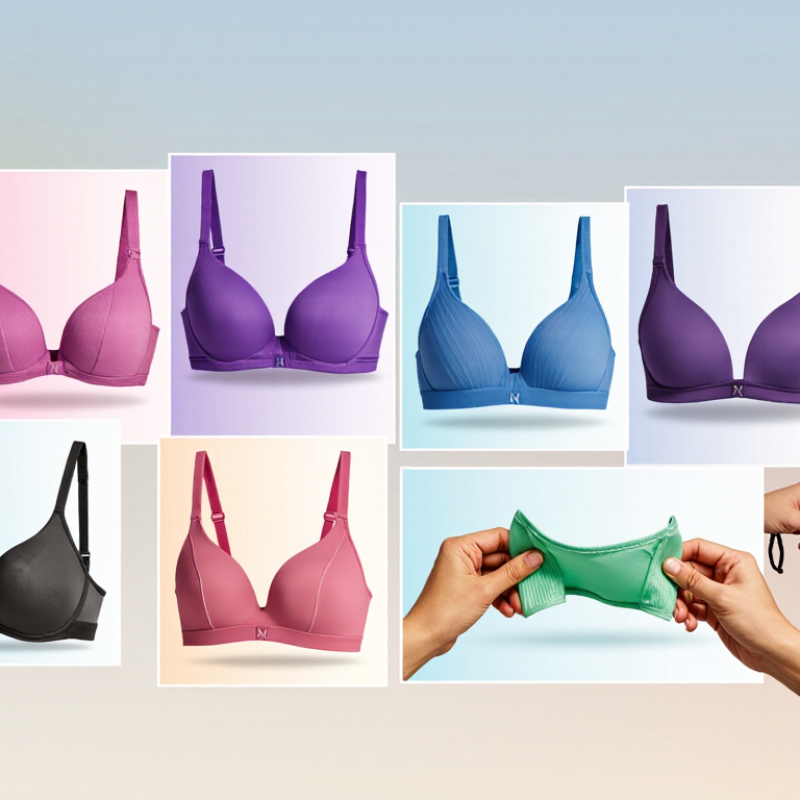
China Top 10 Push Up Bra Manufacturers for Global Buyers

Understanding Push-Up Bra Designs and Manufacturing

China Top 10 Push Up Bra Manufacturers for Global Buyers

Understanding Push-Up Bra Designs and Manufacturing

A push-up bra is a balance of lift, shape, and comfort. Graduated foam pads direct volume toward the center, while cup seams and the cradle help hold the shape. Small changes matter: a few millimeters in pad thickness can alter the fit under a close-fitting top. The wings also need enough stretch to stay secure without digging into the skin. Fit is unforgiving. Grand View Research estimated the global lingerie market at USD 88.32 billion in 2023, with projected growth of 8.5% annually from 2024 to 2030. That scale makes consistent sizing and repeatable production important for global buyers.

Material selection affects both feel and factory performance. Textile Exchange’s Materials Market Report 2024 states that global fiber production reached 124 million tonnes in 2023, with polyester making up 57%. In bras, polyester blends are often used in linings and wings, while foam choice shapes cup weight and recovery. Manufacturers should check stitch tension, pad placement, and stretch recovery across several sizes—not just one sample. Wash testing can reveal early curling or loss of support. Still, a tidy sample can flatter a design; real bodies may disagree. Fit reviews across different body shapes are useful, though they rarely catch every issue.

China’s Role in the Global Push-Up Bra Industry

China plays a major role in the global push-up bra industry through its established textile and garment supply chains. In several manufacturing regions, fabric mills, accessory suppliers, and sewing facilities operate within practical reach of one another. This can help factories coordinate molded cups, underwires, straps, and packaging while managing production schedules. Buyers may also find suppliers experienced in sampling and different order volumes. But capabilities vary widely.

Fit is unforgiving. A small change in cup depth or wing tension can affect comfort and support. Reliable development depends on clear size specifications, graded patterns, and repeated sample reviews—not just attractive product photos. Ask how a factory checks stitching, cup symmetry, and elastic recovery. Request material details and test records for the exact components proposed. China’s scale can offer flexibility, yet it does not guarantee consistent quality. Even a detailed brief can miss something; buyers should confirm key points before bulk production.

Tips: Send a measurement chart and reference sample, then compare the first sample on more than one body shape. Check the band after stretching, inspect seams near the cup edge, and agree on acceptable tolerances in writing. Allow time for corrections. A rushed approval may save days, but create avoidable fit problems later.

How to Evaluate Push-Up Bra Manufacturers

Evaluating a push-up bra manufacturer starts with evidence, not showroom polish. Ask for a size-graded sample set, a written measurement chart, and records of fabric and foam specifications. Check cup symmetry, wire placement, stitch density, strap adjustment, and how the cups recover after repeated compression. Test fit on more than one body size; a sample that fits one model proves little. I would still question a flawless first sample. Production consistency matters more.

Material records deserve equal attention. Textile Exchange’s Materials Market Report 2024 estimates that global fiber production reached 124 million tonnes in 2023, with polyester accounting for 57%. This scale makes clear sourcing and composition records useful screening tools. Request fabric test results for stretch recovery, colorfastness, and dimensional change, and confirm that the results match the materials used in bulk orders. Ask how the factory handles failed inspections, rework, and delivery delays. Specific answers are more credible than broad promises.

Tips: Send the same measurement and wear-test checklist to every shortlisted factory. Compare the returned data, not just the samples. Keep one approved sample as a reference during production. Small details matter.

Profiles of 10 Chinese Push-Up Bra Manufacturers

The ten profiles compare Chinese push-up bra manufacturers by production strengths, not by marketing claims. Profile 1 focuses on seamless knitting; Profile 2, molded-cup shaping; Profile 3, extended size ranges; Profile 4, lightweight everyday bras; Profile 5, adjustable straps and back closures. Each capability should be checked against samples, factory records, and repeat-order performance.

Profile 6 specializes in low-volume development; Profile 7, coordinated fabric sourcing; Profile 8, intricate lace construction; Profile 9, export-ready packaging; Profile 10, flexible OEM or ODM production. Textile Exchange’s Materials Market Report 2024 estimates global fiber production reached 124 million tonnes in 2023, with polyester accounting for 57%. This matters because cup recovery, strap stretch, and fabric hand feel depend on material choices. Still, fiber data cannot prove a factory’s quality. Request wash-test results and inspect stitching at the cup edge.

Tips: Send a measurement sheet and target order quantity before requesting a quote. Ask for a pre-production sample. Check the band’s recovery after repeated stretching. Small details get missed. Recheck them.

China Top 10 Push Up Bra Manufacturers for Global Buyers - Profiles of 10 Chinese Push-Up Bra Manufacturers
Profile Typical Product Focus Push-Up Construction Options Materials and Components Production Processes to Confirm Useful Buyer Checks
1. Molded-Cup Specialist T-shirt and everyday push-up bras Pre-shaped cups; graduated padding; plunge or demi silhouettes Foam cups, brushed lining, wings, hook-and-eye closures Ask whether cup molding, lamination, and sewing are performed in-house Request cup-shape samples, size grading details, and wash-test results
2. Seamless-Knit Specialist Seamless bras and light-support intimates Integrated shaping zones; removable or inserted pads Knitted nylon or polyester blends with elastane; optional foam inserts Confirm knitting-machine capability, finishing, and pad-pocket construction Check stretch recovery, opacity, fit consistency, and care instructions
3. Lace and Fashion Specialist Fashion lingerie and occasion styles Push-up cups combined with lace overlays, mesh, or decorative straps Stretch lace, tulle, elastic, foam, and decorative trims Ask about lace placement, pattern matching, and trim sourcing controls Review colorfastness, embellishment security, and sample approval procedures
4. Plus-Size Construction Specialist Extended-size bras and fuller-bust styles Supportive cup construction; wider wings; reinforced band options Power mesh, stable elastics, lined cups, and adjustable straps Confirm grading experience across the requested size range Evaluate fit on multiple sizes, band support, and strap adjustment range
5. Wire-Free Design Specialist Comfort-focused everyday bras Wire-free lift using shaped cups, seams, or supportive internal slings Stretch fabrics, foam, elastic, and optional power-mesh lining Ask how support is engineered without underwires and how it is tested Assess lift, stability, comfort, and fit after repeated washing
6. Underwire Bra Specialist Structured bras with defined separation and lift Underwire cups with graduated padding or push-up inserts Underwires, wire casing, cup foam, lining, and stable band materials Confirm wire selection, casing construction, and inspection procedures Check wire-end finishing, symmetry, comfort, and applicable safety requirements
7. Sports-Inspired Support Specialist Everyday bras borrowing features from activewear Encapsulation or compression-inspired shapes with removable padding Moisture-managing knits, elastane blends, mesh, and elastic Verify fabric performance claims and whether testing is conducted by a qualified lab Request evidence for colorfastness, stretch recovery, and moisture-related claims
8. Sustainable-Materials Specialist Bras using lower-impact or recycled material options Conventional push-up shapes adapted to specified material requirements Potential options include recycled-content fibers and certified materials Confirm material availability, traceability, and current certificate scope Match certificates and transaction documents to the exact materials ordered
9. Private-Label Development Specialist Custom collections developed to a buyer’s specification Buyer-defined cup shape, padding level, neckline, and trim package Materials selected from approved swatches or buyer-specified sources Ask about tech-pack review, sample stages, pattern ownership, and change control Agree in writing on tolerances, labeling, packaging, and approval samples
10. Multi-Category Intimates Specialist Push-up bras alongside other lingerie categories Options may include molded, seamed, padded, and wire-free designs Material range depends on the approved product specification Confirm which operations are in-house and which are subcontracted Audit production controls, quality records, capacity, and delivery planning

Note: These are anonymized capability profiles, not verified records of ten specific factories. Construction methods and material options are common in bra manufacturing; buyers should confirm each supplier’s actual equipment, certifications, minimum order quantity, lead time, and testing evidence directly.

Sourcing and Quality Considerations for Global Buyers

When sourcing push-up bras from China, compare more than unit prices. Ask each manufacturer for a size-run sample, a material list, and a written production timeline. Check whether the foam keeps its shape and whether both cups match in height and depth. Small differences matter. They can show up under fitted clothing.

Inspect the bra on a fit model, then check the details by hand. The wires should sit evenly, seams should feel smooth, and straps should recover after repeated stretching. Request wash-test results and clear inspection criteria before bulk production.

Confirm that labels, packaging, and product documents meet the requirements of your destination market. A polished sample is useful, but it cannot prove every production batch will be consistent.

Include acceptable tolerances in the purchase agreement, and arrange checks during production when order size justifies them.

This takes time. Still, skipping it can cost more later. One imperfect point: suppliers may describe quality differently, so translate expectations into measurements, photos, and written records.

Article Source: