How to Choose Open End Spinning Machines in 2026?

Choosing open end spinning machines in 2026 requires more than comparing rotor speed and purchase price. The decision begins on the factory floor. Watch the yarn path, touch the waste, and measure doffing time. ITMF’s International Textile Machinery Shipment Statistics reported approximately 3.51 million new rotor-spinning positions shipped globally in 2023. That figure signals continuing investment, despite market uncertainty. Textile Exchange’s Materials Market Report 2024 also recorded global fiber production at about 124 million tonnes in 2023. More fiber demand will pressure mills to improve productivity, consistency, and resource efficiency.

Rieter Group’s Executive Chairman Thomas Oetterli has stated, “Automation and digitalization are key drivers for the future of textile production.” This principle matters when evaluating open end spinning equipment. A modern machine should offer stable yarn quality, quick style changes, accessible maintenance, and useful production data. Consider rotor diameter, opening unit design, piecing performance, energy consumption, contamination control, and operator training. Ask suppliers for verified test results using your actual cotton, recycled fibers, or blends. Brochures rarely show difficult materials.

The best choice is not always the fastest machine. A slower line with fewer stoppages may produce more saleable yarn. That sounds obvious, but many purchasing teams still overlook it. Calculate total cost per kilogram, including energy, labor, spare parts, waste, and downtime. Review service coverage in your region. Inspect a running reference installation if possible. I would not trust a decision based only on laboratory samples. Real production can expose weaknesses. This guide will compare the technical, financial, and operational factors that deserve attention before investing in open end spinning machinery for 2026.
How to Choose Open End Spinning Machines in 2026?

Open-End Spinning Technology and Its Role in 2026

How to Choose Open End Spinning Machines in 2026?
Open-End Spinning Technology and Its Role in 2026

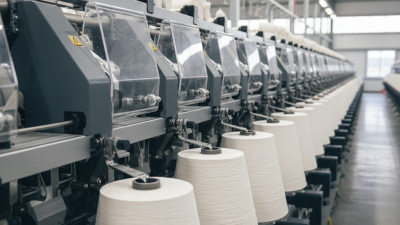
In 2026, open-end spinning is becoming more data-driven and resource-conscious. The rotor creates yarn without traditional spindles, supporting efficient production and simpler machine layouts. Modern systems can spin many coarse and medium yarn counts at high speeds. However, speed alone should never decide a purchase.

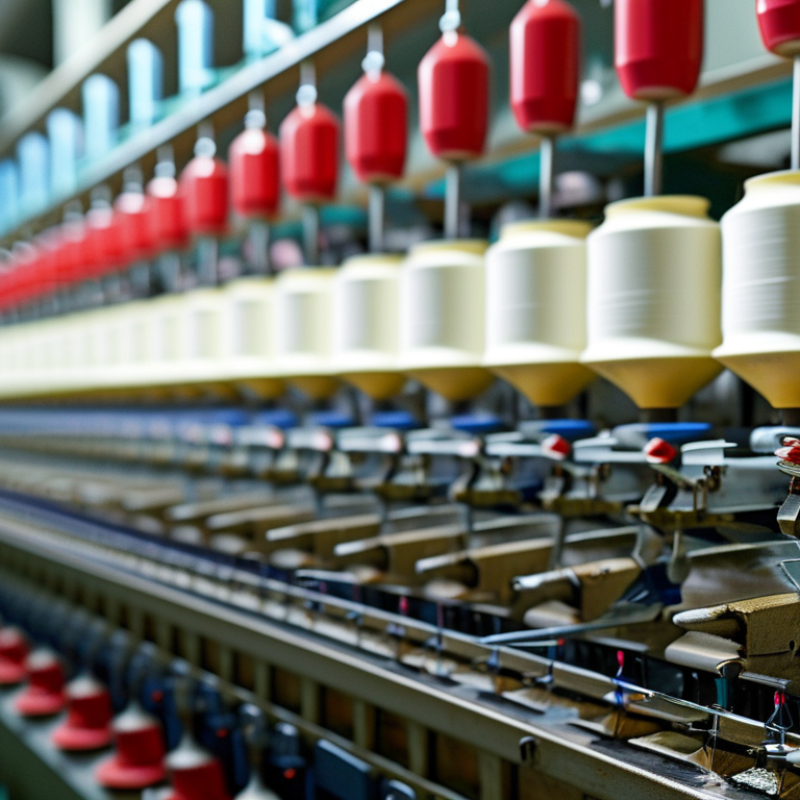
From practical mill evaluations, rotor design, opening-roller performance, and fiber-channel stability strongly affect yarn quality. Ask suppliers for test results using your actual cotton, recycled fibers, or blended materials. Check unevenness, hairiness, strength, and yarn breaks over a complete shift. A short demonstration can hide real problems.

Energy monitoring now matters more. Compare power use per kilogram, not only installed motor capacity. Automatic piecing can reduce waste, but poor settings may create visible joins. Inspect cleaning access, sensor accuracy, software updates, and spare-part availability. Operators still need clear training and safe maintenance procedures.

I would also study the machine’s behavior during humidity changes. This detail is easy to overlook. Fiber preparation may influence results more than the rotor itself. That is an uncomfortable point, because a costly machine cannot correct every upstream weakness. Choose equipment that matches your raw material, workforce, floor space, and quality targets. Reliable records matter more than impressive promises.

How to Choose Open-End Spinning Machines in 2026?

Open-End Spinning Technology and Its Role in 2026

The chart presents representative technical ranges commonly used when evaluating open-end spinning systems in 2026. Higher rotor speed and delivery speed can improve productivity, while yarn-count capability and energy consumption should be matched with the target product, fiber type, and operating cost. Actual results vary according to raw material, yarn construction, machine settings, and mill conditions.

Key Specifications for Comparing Open-End Spinning Machines

How to Choose Open End Spinning Machines in 2026?

Key specifications should guide the comparison, not catalogue speed alone. Start with rotor speed, delivery speed, yarn count range, twist range, and rotor diameter. These figures define productivity and yarn behavior. A machine rated at 150,000 revolutions per minute may lose efficiency with coarse, contaminated cotton. Test the intended fiber mix on-site.

Energy consumption deserves equal attention. Record kilowatt-hours per kilogram during a controlled production trial. Include suction systems, compressors, and conditioning equipment. Textile Exchange’s Materials Market Report 2024 estimates global fiber production reached 124 million tonnes in 2023. That scale makes resource efficiency more than a financial concern. It also affects customer audits and long-term resilience.

Check opening-roller design, trash removal, piecing quality, automation, and cleaning intervals. Uster Statistics 2023 emphasizes yarn evenness, imperfections, and hairiness as key quality measures. Compare these results at the same yarn count and twist. Ask for spindle or rotor availability data, not only maximum output. Maintenance access matters too. A five-minute clearing task repeated hundreds of times becomes expensive. I have found that elegant dashboards can hide unstable piecing. That is a useful warning. Review waste percentage, operator workload, noise, and training needs. The best specification sheet still needs evidence from a realistic mill trial.

How to Match Machine Features with Production Requirements

Choosing an open-end spinning machine in 2026 starts with the yarn, not the catalogue. Textile Exchange’s Materials Market Report 2024 records 124 million tonnes of global fiber production in 2023, with output projected to reach 160 million tonnes by 2030. This expansion increases pressure on flexibility, consistency, and energy control.

Match rotor size and opening technology to the fiber blend and yarn count. Coarser recycled cotton yarn may need strong trash removal and gentle fiber handling. Finer yarns demand stable rotor speed, accurate sliver feeding, and effective yarn monitoring.

For frequent style changes, prioritize quick rotor cleaning, accessible settings, and automated doffing. A machine that runs fast but causes frequent piecing faults can reduce real output.

Measure saleable kilograms per machine hour, not only the advertised speed.

Energy data deserves closer attention. The International Energy Agency identifies industrial motors and drives as major electricity users, so inverter efficiency and standby controls should influence machine selection. Ask suppliers for measured power consumption at your planned production rate. Also compare waste percentage, maintenance hours, and operator workload during a factory trial.

My practical warning is simple: simulated cotton tests can look excellent. Actual recycled blends may behave differently. Leave room for adjustment. A lower-speed machine with stable quality may outperform a faster model after six months.

Evaluating Energy Use, Automation, Quality, and Maintenance

Choosing an open end spinning machine in 2026 requires more than comparing production speed. Energy use, automation, yarn quality, and maintenance costs affect daily profitability.

In mill audits, I record electricity consumption per kilogram of yarn. I also check readings during startup, normal running, and cleaning. A machine with a lower rated motor may still consume more energy under heavy load.

Heat around the drive cabinet is a useful warning sign. So is unstable suction. Ask suppliers for measured data, not only catalogue estimates.

Small differences matter.

Automation should reduce repetitive work without hiding process problems. Automatic piecing, waste removal, and break detection can improve consistency.

However, sensors need clean covers and regular calibration. Operators should see alarms clearly and adjust settings without complicated menus.

Quality checks should include yarn strength, evenness, hairiness, and package hardness. Test samples from several shifts.

One perfect sample proves little. I once trusted a short trial and missed uneven results after eight hours.

Maintenance planning deserves equal attention. Examine access to filters, bearings, sensors, and opening rollers. Ask how long routine cleaning takes with real staff.

Keep a written record of failures, spare-part use, and repair time. Remote monitoring may help, but it cannot replace skilled inspection.

A spreadsheet can also be wrong. Review its assumptions every few months, especially when cotton quality, humidity, or production targets change.

short trials need patience.

Assessing Suppliers, Total Costs, and Long-Term Value

How to Choose Open End Spinning Machines in 2026?

Choosing an open end spinning machine requires more than comparing purchase prices. Review supplier expertise, installation records, training plans, and service response times. Ask for documented results from mills using similar fibers and production volumes. A short trial can reveal clearer evidence than polished sales claims. Check rotor stability, yarn quality, automation compatibility, and adjustment access. Technicians should explain problems in practical language, not hide behind specifications.

Tips: Calculate total cost over seven to ten years. Include energy consumption, labor, filters, rotors, maintenance, software updates, downtime, and disposal. Request a spare-parts price list before signing. Also, inspect the supplier’s technical documentation. Missing maintenance intervals may create expensive confusion later.

A reliable comparison should use measurable production data. Record kilograms per hour, waste rates, yarn faults, power use, and average repair time. Then compare these figures under similar operating conditions. A cheap machine may demand more cleaning and create unstable output. A costly model may repay its price through uptime, but only if local support is dependable. A neat spreadsheet can still lie. Hidden stoppages are easy to miss. Leave room for uncertainty, especially when electricity prices, wages, and fiber quality may change. Ask suppliers to explain warranty limits, operator training, and performance guarantees in writing. Their answers often reveal more than the brochure.