How to Choose the Right Yarn Spinning Machine for Your Needs?
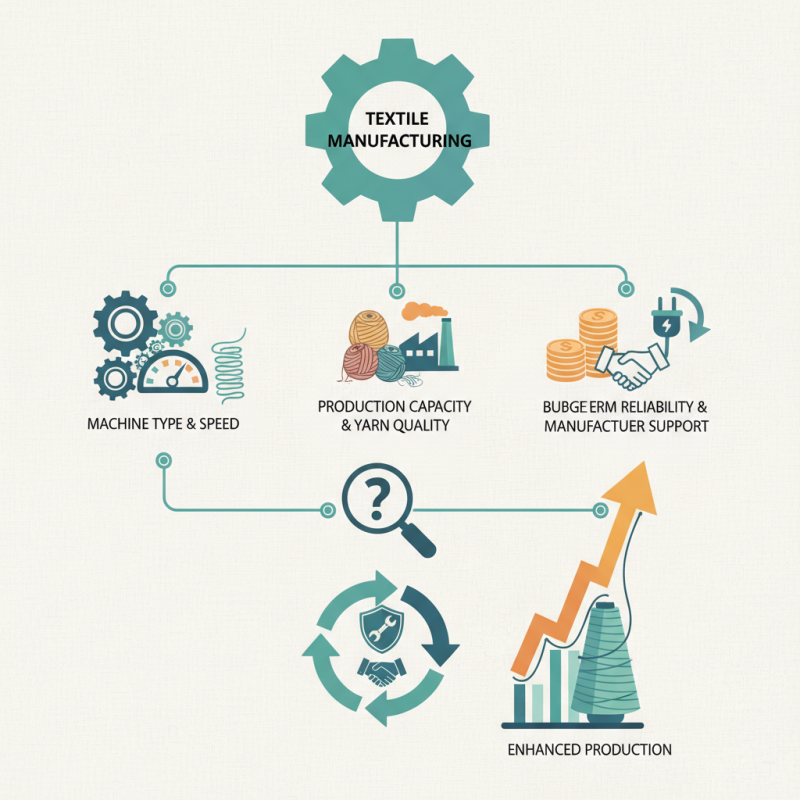
Choosing the right yarn spinning machine is crucial for textile manufacturers. With numerous models available, understanding your needs is essential. Factors like machine type, production capacity, and intended yarn quality play significant roles in selection.
Every yarn spinning machine has unique features. Some excel in speed, while others offer versatility. Assessing the requirements of your projects ensures you select a suitable option. It’s vital to consider both your budget and the machine’s operational efficiency.
Remember, investing in a machine isn’t just about the cost. It’s also about long-term reliability and support from the manufacturer. Reflect on your choices carefully, as the right machine can enhance your production significantly.
Identifying Your Yarn Production Needs and Goals
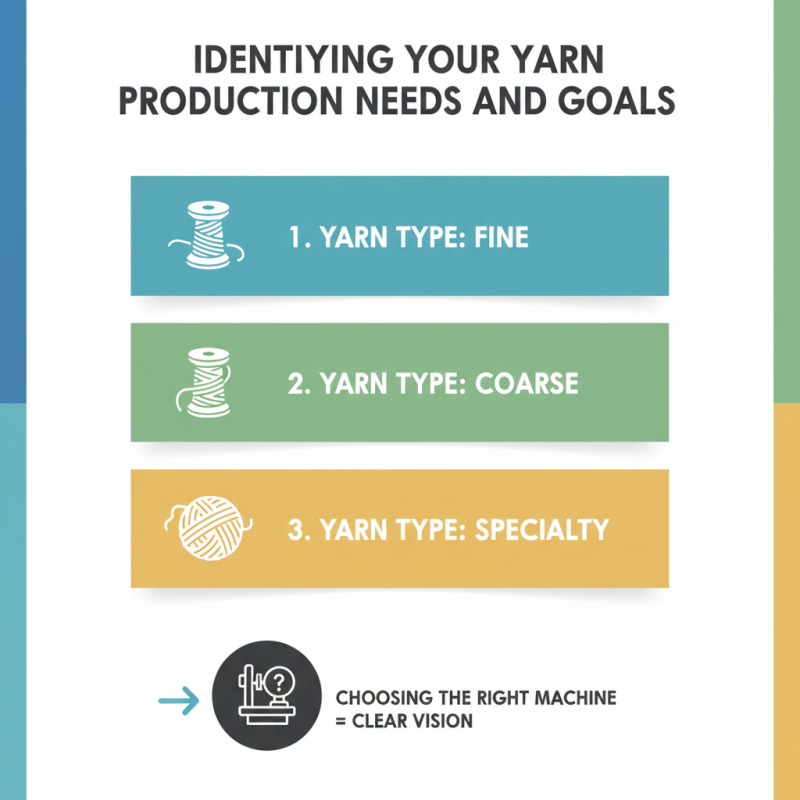
Choosing the right yarn spinning machine starts with understanding your production needs and goals. Identify the type of yarn you want to produce. Is it fine, coarse, or specialty yarn? Each requires different machines. A clear vision of your desired output is crucial.
When assessing your goals, consider production speed and volume. Do you aim to produce high quantities quickly, or do you prioritize quality over quantity? Set realistic targets. This helps narrow down your options effectively.
**Tip:** Visit industry forums or talk to fellow producers. Their experiences can shed light on potential pitfalls or advantages of various machines.
Reflect on your budget constraints. High-end machines often offer advanced features but may not be necessary for every operation. Balance between cost and the desired outcome. Think about the machine's maintenance needs, too. Constant repairs can hinder production.
**Tip:** Create a checklist of essential features. This list helps streamline your decision-making process and avoid impulse purchases.
In the end, remain open to adjustments. Your production needs may evolve. Staying adaptable will ensure your spinning operation remains efficient and competitive in the ever-changing market.
Types of Yarn Spinning Machines Available in the Market
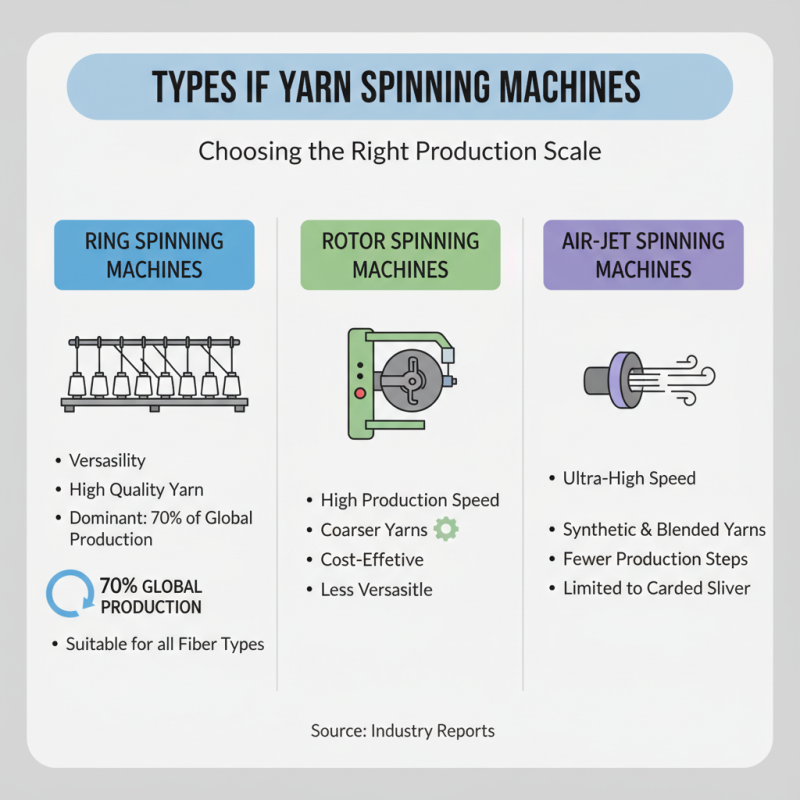
When selecting a yarn spinning machine, it’s essential to understand the types available. Each type serves specific purposes and production scales. Common types include ring spinning machines, rotor spinning machines, and air-jet spinning machines. According to industry reports, ring spinning machines account for approximately 70% of global yarn production due to their versatility and quality output.
Ring spinning machines create high-quality yarn by twisting fibers together. They are ideal for fine and medium yarns, catering to many textile applications. Rotor spinning machines, however, are more efficient for coarse yarns. They yield a higher production rate and cost-effectiveness. Air-jet spinning machines combine speed and quality. They are perfect for producing yarns rapidly, but the fiber type may limit them.
**Tips:** When choosing a machine, consider your production volume and the desired yarn characteristics. Don't rush the selection process; careful analysis impacts overall productivity. Additionally, consulting with industry experts can provide deeper insights into your specific requirements. Pay attention to maintenance needs as well. A machine that requires frequent downtime can hamper production. Always evaluate your long-term goals and how different machines align with them.
Evaluating Key Features of Yarn Spinning Machines
Choosing the right yarn spinning machine can be overwhelming. When evaluating key features, consider three main aspects: yarn type, spinning speed, and automation level. Each feature significantly impacts production efficiency and quality.
Yarn type affects the spinning process. Different fibers require specific machines. For example, cotton and wool have distinct spinning needs. It's crucial to understand your material when selecting a machine. Speed is another vital consideration. Faster machines increase output but can sacrifice quality. Analyze your production demands before settling on a speed range.
Automation plays a key role in modern spinning. Machines with advanced automation reduce labor costs and enhance consistency. However, fully automated systems can be expensive. Balance your budget with your need for efficiency.
Tip: Test different machines when possible. This hands-on experience can reveal nuances you might miss in brochures. Another tip is to seek advice from industry experts. Their experience can guide your choice effectively. Always remember, investing time in research can lead to better long-term results.
Considering Budget and Cost Efficiency in Machine Selection
When selecting a yarn spinning machine, budget considerations are crucial. Recent industry reports indicate that 70% of textile manufacturers attribute their production success to effective budgeting strategies. A wise investment in spinning technology can lead to significant cost efficiencies.
The costs of yarn spinning machines vary greatly, from $5,000 to over $500,000. Factors influencing this range include machine type, capacity, and automation level. Lower-cost machines may save money upfront but could lead to higher operational costs, such as increased maintenance. Conversely, advanced machines optimize efficiency, reducing waste and energy consumption significantly.
It's essential to analyze not just the initial price but also the long-term operational expenses. Some machines, while expensive, can maintain superior quality, reducing the rate of defective products. Data shows that businesses using high-quality machines experience a 25% decrease in material waste. Therefore, understanding the total cost of ownership can guide better decision-making. Balancing budget and efficiency is an ongoing reflection in the textile sector. Opting for the right machine isn't solely about the expenditure; it's about the value it brings to your operations over time.
Budget Allocation for Yarn Spinning Machine Selection
This bar chart illustrates the budget allocation for various aspects to consider when choosing a yarn spinning machine, including purchase cost, maintenance, energy consumption, and training. Understanding these costs can help in making a cost-efficient decision.
Maintenance and Support: Ensuring Longevity of Your Investment
When investing in a yarn spinning machine, maintenance and support play crucial roles in its longevity.
Regular upkeep ensures that your equipment operates efficiently. This includes routine cleaning and lubrication. Neglecting these tasks can lead to costly repairs or replacements.
Even minor issues can escalate if not addressed promptly.
Another aspect to consider is technical support. Reliable support should be easily accessible when problems arise.
Some manufacturers offer training sessions or online resources. This assistance can prove invaluable, especially for new users.
Yet, many overlook the importance of this support until they face a malfunction. It's wise to research and assess the level of service provided.
Documenting maintenance tasks is also essential. Keeping records of repairs and servicing helps track the machine's condition.
This practice can prevent misunderstandings with service personnel. Some users find it tedious, but it pays off in the long run.
Being proactive about maintenance not only extends equipment life but also enhances performance.