How to Choose a Cotton Yarn Manufacturing Machine?

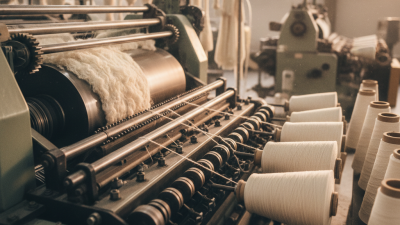
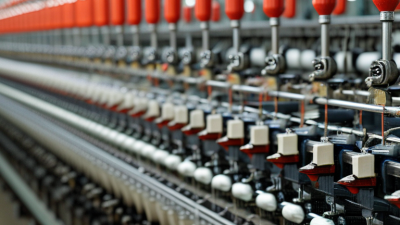
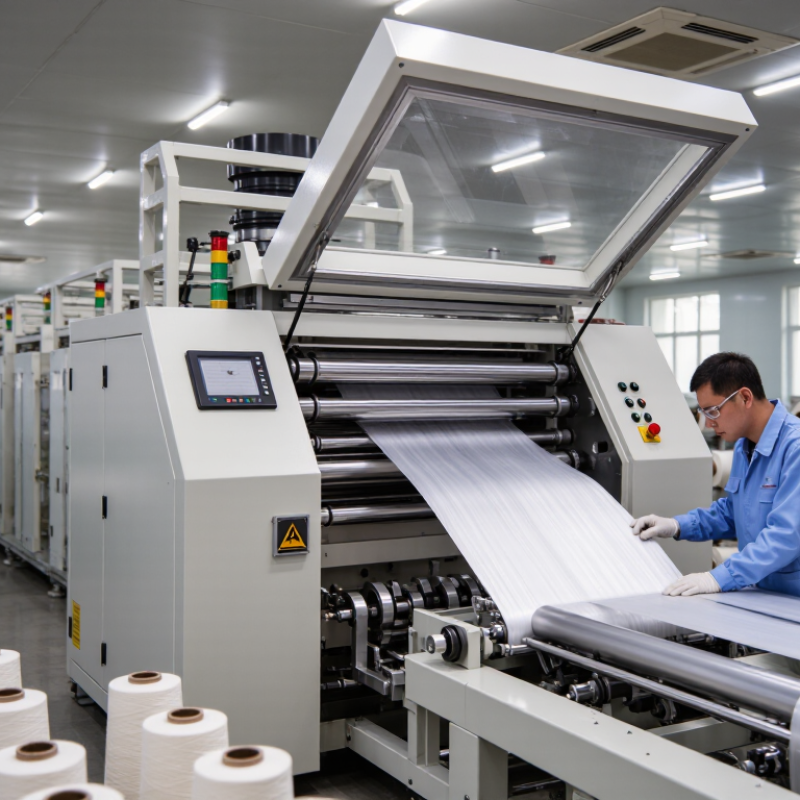
Choosing a cotton yarn manufacturing machine is a practical decision, not a catalogue exercise. The right model must match fiber quality, yarn count, production volume, and available floor space. A compact spinning unit may suit a startup, while an integrated line can support consistent commercial output. Look closely at opening, carding, drawing, spinning, winding, and dust-control arrangements. Each stage affects yarn evenness, strength, cleanliness, and waste.

Fit matters more. In real factories, operators often notice issues before dashboards do. Listen for unusual vibration, inspect sliver movement, and check whether access panels open easily. These small observations reveal design weaknesses that brochures rarely mention. A trial with your own cotton is valuable. Generic test results can mislead.

Before comparing prices, define measurable targets for output, energy use, labor, and maintenance time. Ask manufacturers for data on spindle speed, machine efficiency, power consumption, and expected yarn quality. Request references from mills producing similar counts with similar raw materials. Speak with technicians, not only sales teams. Their experience can clarify spare-part availability, training quality, and service response. A low purchase price may become expensive when sensors fail or delivery delays stop production.

Consider automation carefully; advanced controls help, but they also require skilled support. The best cotton yarn manufacturing machine is not always the fastest or newest. It is the one that performs steadily within your factory’s real limits. Still, selection involves uncertainty. Cotton varies by season, and actual productivity may differ from a supplier’s promise. That is why a documented trial, transparent warranty, and clear acceptance criteria matter. Review the decision after several production cycles. Good equipment should prove itself repeatedly.
How to Choose a Cotton Yarn Manufacturing Machine?

Define Your Cotton Yarn Production Requirements

Before choosing a cotton yarn manufacturing machine, define your production requirements precisely. A machine should fit your process, not merely your budget.

Start with the target yarn count, daily output, and cotton fiber characteristics. Fine yarn may require careful drafting and stronger quality control. Coarser yarn can tolerate different settings, but it still needs stable tension. Record expected production in kilograms per day, not only spindle numbers. Include seasonal demand changes. A machine running below capacity may waste energy and floor space. One running constantly may create maintenance pressure.

Consider your raw material, too. Short fibers, recycled cotton, and blended fibers behave differently during spinning. Ask for trial production using your actual cotton. Check yarn strength, evenness, hairiness, and visible fiber waste. These results are more useful than a polished brochure. I have seen projects fail because operators tested ideal cotton instead of local supply. That mistake is expensive.

Review power availability, humidity control, staffing, spare parts, and cleaning access. Measure the workshop before selecting the equipment. Leave room for material movement and safe maintenance. Calculate training time and realistic labor costs. Automation sounds efficient, but inexperienced operators still need clear procedures. Do not ignore noise and dust exposure. They affect comfort and long-term performance. Your plan may change after testing. That is normal. Record every assumption, then challenge it before signing a purchase agreement.

Compare Machine Types and Core Processing Functions

Choosing a cotton yarn manufacturing machine starts with the yarn specification, not the machine catalogue. Ring spinning suits fine, strong yarns for shirts and premium fabrics. It uses opening, cleaning, carding, drawing, combing, roving, and spinning. Combing removes short fibers and improves regularity, but it adds cost and waste. Rotor spinning skips roving and directly feeds sliver into rotors. It offers higher productivity for coarse or medium-count yarns. Air-jet spinning is faster and produces a clean surface, although its yarn feel may not suit every fabric.

The International Textile Machinery Federation reported approximately 8.5 million short-staple spindles shipped in 2023. This figure shows that conventional spinning remains important, despite automation growth. A mill should compare spindle speed, rotor diameter, air consumption, waste percentage, and energy use. The U.S. Department of Agriculture’s Cotton: World Markets and Trade reports also show continuing global cotton demand, but demand alone does not guarantee profitable production. Local electricity prices, cotton staple length, and operator skills can change the decision.

I would not choose the fastest machine automatically. That choice can be wrong.

Tips: Test the actual cotton before purchasing. Check yarn evenness, strength, hairiness, and nep levels. Ask for maintenance records and realistic output data. Include carding and winding capacity in the calculation. A fast spinning frame is useless when upstream sliver quality remains unstable.

Evaluate Capacity, Yarn Quality, and Operational Flexibility

Choosing a cotton yarn manufacturing machine requires more than comparing spindle counts. Capacity must match your actual order pattern, not an optimistic sales forecast. USDA’s 2024 Cotton: World Markets and Trade projected global cotton mill use at about 116.9 million 480-pound bales for 2024/25. This signals sustained demand, but demand is uneven by yarn count and market. A machine producing 20 Ne yarn may be unsuitable for finer 40 Ne orders. Check rated output, utilization assumptions, energy use, and changeover time. A smaller line can be wiser.

Yarn quality should be measured, not promised. Review evenness, imperfections, strength, hairiness, and twist stability under ISO testing methods. The Uster Statistics database is widely used for benchmarking yarn quality across mills. Ask for trial results using your cotton blend, humidity range, and target count. A clean sample from ideal fiber is not enough. Real production is less polite. Fiber maturity, short-fiber content, and contamination can quickly expose weak settings.

Operational flexibility protects the investment. Compare spindle or rotor speed ranges, drafting adjustment, automatic piecing, cleaning access, and software controls. ITMF’s International Textile Machinery Shipment Statistics shows continuing global investment in short-staple spinning equipment, yet shipment cycles also fluctuate sharply. That makes expandability important. Modular sections, quick component replacement, and compatible sensors can reduce downtime when products change. I would still challenge one assumption: maximum speed is rarely maximum profit. A machine that runs slightly slower, with fewer breaks and steadier quality, may deliver more saleable yarn per shift.

How to Choose a Cotton Yarn Manufacturing Machine?

Evaluate capacity, yarn quality, and operational flexibility using typical operating ranges for cotton spinning technologies.

Ring spinning generally provides the broadest yarn-count range and strong yarn quality, while rotor and air-jet systems offer higher delivery speeds. The yarn evenness values shown are typical CVm ranges for cotton yarns; lower CVm indicates better evenness. Actual results vary with fiber properties, yarn count, twist, machine settings, and maintenance.

Check Energy Use, Maintenance, Safety, and Automation

Choosing a cotton yarn manufacturing machine starts with the factory floor, not the brochure. In practical trials, measure electricity per kilogram of yarn at several speeds. A machine may look efficient at full load, yet waste power during frequent starts and stops. Check motor ratings, standby consumption, and heat recovery options. Ask for test records, not broad promises. Use your own cotton blend because fiber moisture can change results.

Maintenance affects output more than many buyers expect. Inspect spindle access, filter cleaning, lubrication points, and belt replacement time. A technician should reach common service areas without removing half the machine. Request a maintenance schedule with estimated hours and spare-part life. Listen for vibration near the drafting zone. Small noise can become uneven yarn.

I once underestimated cleaning labor on a trial line. The machine performed well, but dust removal took too long. That mistake changed my purchasing checklist.

Safety must be visible and testable. Look for enclosed moving parts, door interlocks, emergency stops, and clear lockout procedures. Guards should remain practical during daily cleaning.

Automation can improve consistency through tension sensors, automatic piecing, speed control, and fault alarms. Confirm that operators can understand the screen quickly. Data logging helps trace breaks, energy use, and quality changes. Still, automation cannot replace skilled inspection. Sensors can drift. Software can misread a dusty signal. Arrange a supervised factory acceptance test, then repeat key checks after installation.

Assess Supplier Support, Total Cost, and Long-Term Value

Choosing a Cotton Yarn Manufacturing Machine

Supplier support often decides whether a machine performs well after installation. Ask who will supervise commissioning, train operators, and inspect early production samples. Request written response times for technical problems and replacement parts. A reliable supplier should provide manuals, maintenance schedules, and clear safety guidance. Ask for references from mills with similar cotton grades and production volumes. Their experience can reveal problems that brochures hide.

Total cost extends beyond the purchase price. Calculate electricity use, compressed-air demand, lubricant consumption, labor, spare parts, and expected downtime. A machine that saves one kilowatt per operating hour may reduce costs across thousands of production hours. Check how easily operators can access filters, belts, and drafting components. Small design details matter. They affect maintenance minutes every day.

Long-term value also depends on yarn consistency and usable output. Request trial data using cotton similar to yours, including waste rates and yarn strength. Verify measurement methods instead of accepting impressive claims. A low-cost machine may require frequent adjustments, causing uneven yarn and missed delivery dates. That risk is easy to underestimate. I would also question optimistic payback calculations, especially when they exclude training and production interruptions. Leave room for unexpected repairs. A careful evaluation compares three-year and ten-year ownership costs, not just the invoice.