
2026 How to Choose a Cotton Yarn Twisting Machine?
Choosing a cotton yarn twisting machine in 2026 is not just a matter of comparing spindle speeds or prices. The right model must suit your yarn count, twist requirements, production volume, and available floor space. A machine that performs well with fine cotton may struggle with coarser yarn or heavier packages. Small details matter.
This guide explains how to assess key specifications, including spindle configuration, twist direction, speed control, package size, and yarn tension. It also considers practical signs buyers can check during a factory visit: uneven winding, excess vibration, lint buildup, and how easily operators can access routine adjustment points. Ask for a trial using yarn similar to your own, and review sample packages rather than relying on a brochure alone. Check the supplier’s training, spare-parts availability, and service response arrangements before making a decision.
There is no perfect machine for every mill; that sounds obvious, but it is easy to forget during a polished demonstration. A higher advertised speed does not guarantee better output if yarn breaks rise or quality becomes inconsistent. Your production records, operator feedback, and maintenance capacity should guide the final comparison. Use the sections ahead to build a clear shortlist, verify claims with evidence, and identify trade-offs before investing in a cotton yarn twisting machine.
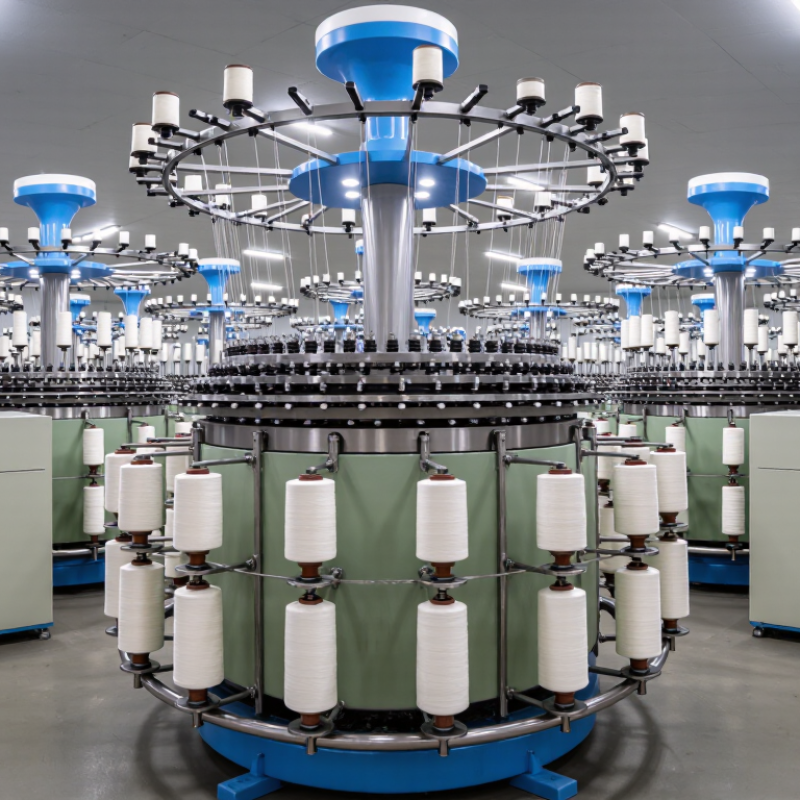
Identify Your Cotton Yarn Twisting Requirements
2026 How to Choose a Cotton Yarn Twisting Machine?
Identify Your Cotton Yarn Twisting Requirements
Start with the yarn you actually plan to make. Record its count, ply, twist direction, and target twist level. A fine cotton yarn for lightweight fabric may need different settings from a thicker yarn used for towels. Small differences matter. Also note whether the yarn is ring-spun, open-end, or blended, since its strength and surface can affect tension and breakage.
Next, estimate daily output and the package size your customers or downstream equipment require. A machine running quickly on paper may not suit a line that needs frequent style changes. Check whether operators can adjust spindle speed and winding tension without lengthy setup. Ask for a trial with your own cotton yarn, then inspect the package shape, twist consistency, and yarn breaks. Look closely at the edges. Uneven winding can create trouble later.
Your working conditions deserve attention too. Consider available floor space, power supply, operator experience, and access to routine maintenance. Cotton lint can collect around moving parts, so cleaning access is practical, not cosmetic. Keep records from sample runs, including settings and defects. They will help compare machines more reliably than a broad claim about speed. The process is rarely perfect; even a careful trial may not reflect every shift, humidity level, or yarn lot.
2026 How to Choose a Cotton Yarn Twisting Machine? – Identify Your Cotton Yarn Twisting Requirements
| Requirement | What to Define | Practical Selection Guidance | Why It Matters |
|---|---|---|---|
| Yarn count and count system | Specify the cotton yarn count and whether it is expressed in English cotton count (Ne), tex, or another system. | For reference, Ne 20 is approximately 29.5 tex, while Ne 40 is approximately 14.8 tex. Confirm the machine’s supported input-yarn range. | Count affects yarn handling, package capacity, tension settings, and the suitable twisting configuration. |
| Number of plies | State how many single yarn ends will be combined, such as two-ply or three-ply yarn. | Provide the exact number of feeds per delivery position and the required final yarn construction. | The number of ends influences the feeding arrangement, yarn path, and achievable output count. |
| Twist amount and direction | Define the required twist level and whether the finished yarn needs S twist or Z twist. | Give twist in turns per metre (TPM) or turns per inch (TPI), along with the accepted tolerance. Do not rely on a general twist multiplier in place of the product specification. | Twist affects yarn strength, feel, appearance, and suitability for knitting, weaving, or sewing. |
| Yarn application | Identify the intended end use, such as knitting, woven fabric, sewing thread, or embroidery. | Share the fabric or product specification and any requirements for strength, evenness, handle, or appearance. | Different applications require different balances of twist, strength, softness, and yarn consistency. |
| Input package | Record the type, dimensions, and winding characteristics of the single-yarn packages. | Confirm package form, maximum package dimensions and weight, and whether the machine can use the packages supplied by your spinning process. | Compatible packages help prevent unwinding problems, interruptions, and unnecessary rewinding. |
| Finished package | Specify the required package type, dimensions, weight, and downstream unwinding needs. | Check available winding formats and package limits against the creel, dyeing, knitting, or weaving equipment that will use the yarn. | Correct package compatibility reduces handling and improves integration with the next production stage. |
| Production target | Set the required output by shift, day, or month, and note the planned operating hours. | Ask for output estimates using your actual yarn count, ply, twist, package size, and operating conditions—not only the machine’s maximum spindle speed. | Realistic production estimates account for product settings, doffing, breaks, and operating efficiency. |
| Machine configuration | Compare spindle or position count, machine layout, and the space available on the production floor. | Match the configuration to the required capacity, operator access, material flow, and planned future expansion. | Configuration affects floor-space use, production planning, and the number of positions that can be operated efficiently. |
| Quality monitoring and stop functions | Identify requirements for yarn-break detection, stop motion, tension control, and production monitoring. | Confirm which functions are standard or optional and how faults and production data are displayed or recorded. | Suitable monitoring can help operators locate interruptions and maintain consistent production. |
| Utilities and operating environment | Check available electrical supply, compressed air requirements if applicable, ambient conditions, and dust management. | Request the machine’s utility specifications and installation requirements before preparing the site. | Site compatibility supports safe installation and stable machine operation. |
| Maintenance and support | Review routine maintenance tasks, spare-parts availability, training, and service response arrangements. | Ask for maintenance schedules, operator documentation, recommended critical spares, and training coverage. | Serviceability and operator readiness influence uptime and long-term operating costs. |
| Sample trial and acceptance criteria | Agree on the yarn construction and measurable quality checks for machine evaluation. | Test representative cotton yarn and assess twist, appearance, strength, package build, and production performance against written specifications. | A trial verifies suitability under your actual materials and product requirements before purchase. |
Note: Machine capabilities and production rates vary by configuration, yarn specification, and operating conditions. Confirm limits and performance with a trial using your intended materials.
Related Posts
-
What is a PP Multifilament Yarn Machine and How Does it Work?
-
Why Choose an Automatic Yarn Spinning Machine for Your Factory?
-
What is a Spinning Machine in Textile Industry?
-
Best Coir Yarn Spinning Machine for Efficient Production?
-
2026 Top Small Wool Spinning Machine for Global Buyers?
-
What is an Automatic Yarn Spinning Machine and How Does it Work?