What is Eri Silk Spinning Machine and How Does it Work?
Eri silk spinning machine is a fascinating technology. It transforms eri silk fibers into beautiful threads. This process highlights traditional craftsmanship and modern engineering. Eri silk is unique. It comes from the samia ricini moth, which feeds on castor leaves. Unlike other silks, it is more durable and has a natural sheen.
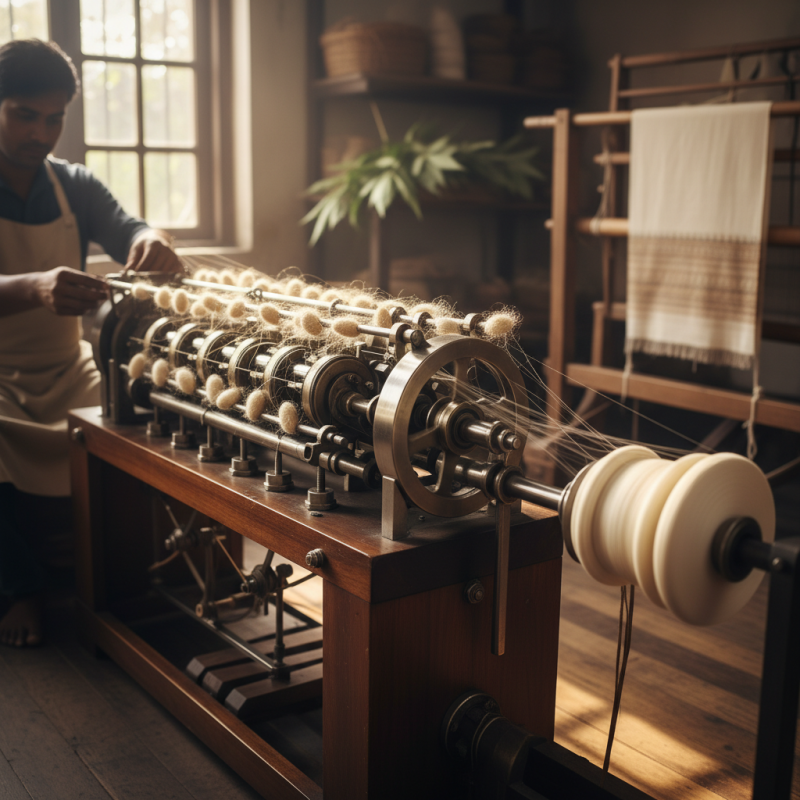
The eri silk spinning machine works by unspooling the fibers from cocoons. This requires careful handling to preserve the quality. The machine automates much of this process, ensuring efficiency. However, it may still struggle with delicate fibers. Operators must remain attentive to avoid mistakes.
Understanding this machine reveals much about silk production. The balance between tradition and innovation is crucial. While technology improves output, the artistry of silk weaving remains. There's a constant need to reflect on how we can enhance this craft further. The eri silk spinning machine embodies this blend of old and new.
What is Eri Silk and Its Importance in the Textile Industry?
Eri silk is a unique and sustainable fabric renowned in the textile industry. This silk is produced by the Eri silkworm, which feeds on castor leaves. Unlike traditional silks, Eri silk is often harvested after the insect has completed its life cycle. This method allows for the growth of a sustainable practice that respects nature.
The opaque and soft texture of Eri silk appeals to many. It is durable and has a natural warmth, often preferred for clothing in colder climates. Eri silk garments are surprisingly breathable, making them suitable for year-round wear. Yet, challenges remain in large-scale production. The labor-intensive process can limit availability. Additionally, some consumers lack awareness about Eri silk’s benefits.
Sustainability and ethical sourcing are critical for the future of textiles. As awareness grows, more people are drawn to eco-friendly options like Eri silk. However, there's still a long journey ahead. Education around this fabric can improve appreciation. Efforts must be made to shine a light on its importance in preserving ecological balance while supporting local economies.
Eri Silk Production Overview
Overview of Eri Silk Spinning Machines and Their Components
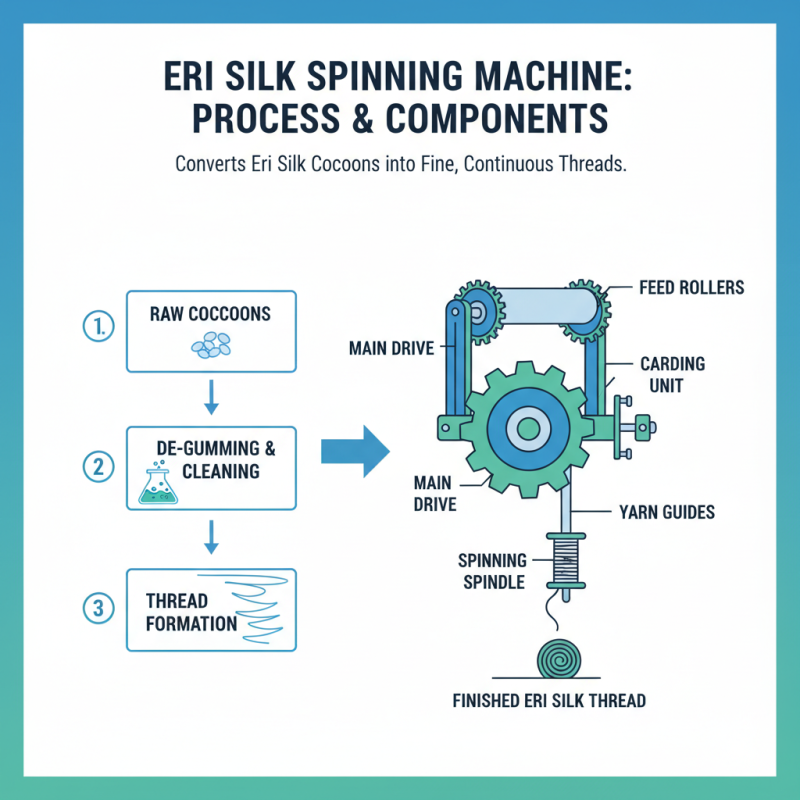
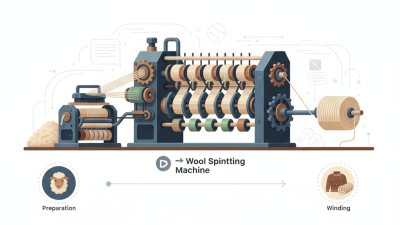
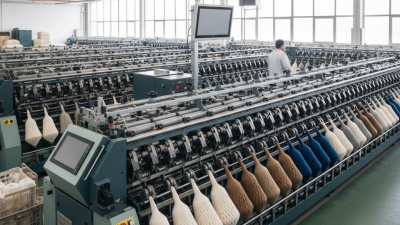
Eri silk spinning machines play a vital role in silk production. They convert raw Eri silk cocoons into fine threads. These machines are designed with several key components.
The primary parts of an Eri silk spinning machine include the feeding unit, spinning unit, and winding unit. The feeding unit introduces the cocoons into the spinning mechanism. It must ensure a steady flow; otherwise, production can slow. The spinning unit twists and stretches the fibers. Proper tension is crucial to achieve quality threads.
Tips for using Eri silk spinning machines include keeping the machine clean and well-maintained. Regular maintenance prevents unwanted breakdowns. Additionally, operators should monitor the humidity levels. Ideal conditions enhance fiber quality.
Operators should also be aware of common issues, such as uneven thread production. This problem can arise from inconsistent feeding. Adjustments to the feeding unit can resolve this. It's essential to reflect on these challenges to improve efficiency.
How Eri Silk Spinning Machines Operate: A Step-by-Step Guide
Eri silk spinning machines play a crucial role in transforming raw silk fibers into usable thread. The process begins with the careful collection of cocoons. Workers select the cocoons based on quality. Each cocoon contains a single thread, which can be delicate or strong. This choice impacts the final silk product.
Once collected, the cocoons undergo a methodical process. They are boiled to soften the gum that holds the fibers together. After this, skilled operators tease apart the strands. This step requires patience and precision. Erroneous handling can lead to broken threads and wasted material. Once the fibers are separated, they are carefully wound onto spools.
The machine operates through a series of mechanisms that twist and pull the fibers together. It ensures uniform thickness in the silk thread. However, there may be inconsistencies due to uneven fiber quality. Operators must be vigilant and make adjustments as necessary. Achieving the perfect tension is often a challenge. This requires experience and a keen eye for detail.
Eri Silk Spinning Machine Operation Data
| Step |
Process Description |
Duration (minutes) |
Temperature (°C) |
| 1 |
Cocoon Preparation |
10 |
25 |
| 2 |
Degumming Process |
30 |
100 |
| 3 |
Drying of Silk |
20 |
40 |
| 4 |
Reeling of Silk |
25 |
30 |
| 5 |
Spinning of Eri Silk |
35 |
25 |
| 6 |
Winding & Packing |
15 |
25 |
Benefits of Using Eri Silk Compared to Other Types of Silk
Eri silk, known for its unique properties, offers several advantages over conventional silk types. This type of silk is produced from the Eri silkworm, which feeds on castor leaves. According to industry reports, Eri silk has increased in popularity due to its sustainable production practices. Unlike traditional silk, it allows for harvesting without harming the silkworms, making it an ethical choice for consumers.
One significant benefit of Eri silk is its thermal properties. It provides warmth in winter and coolness in summer. A study showed that garments made of Eri silk can regulate temperature efficiently, making them comfortable year-round. Additionally, Eri silk is more resistant to wrinkles and retains its shape well, reducing the need for frequent ironing. This can lead to lower energy consumption in households.
Tips: When choosing Eri silk products, look for certification labels that ensure ethical production. Always check the fabric's weight; heavier fabrics usually indicate higher quality. Experimenting with Eri silk can lead to innovative fashion solutions as it blends well with other materials, providing both comfort and style. However, remember that its care requirements can differ from traditional silk. Gentle washing methods are preferred to maintain its integrity.
Challenges and Innovations in Eri Silk Spinning Technology
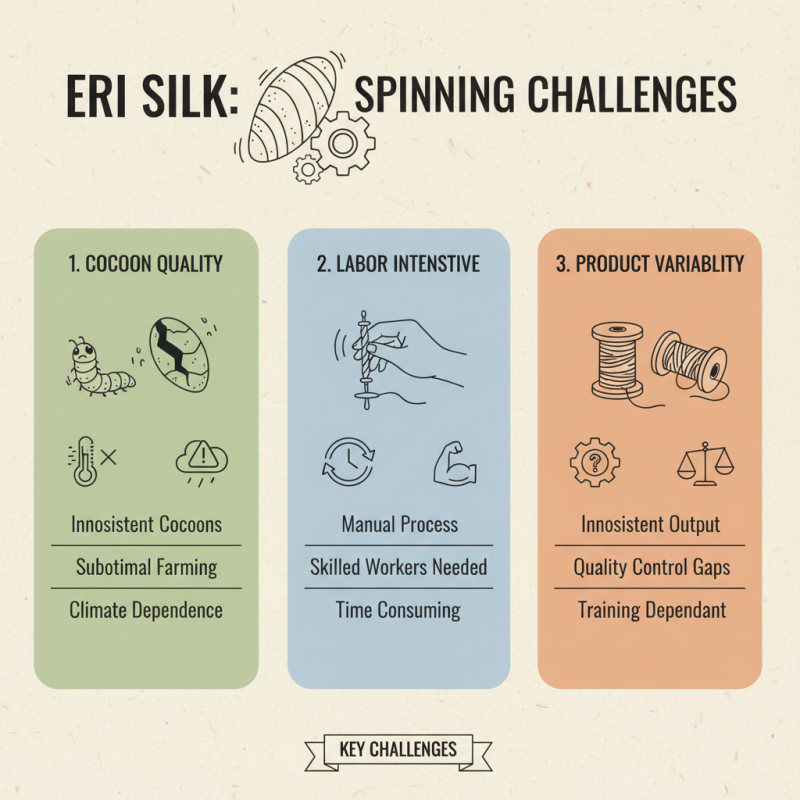
Eri silk spinning technology faces several challenges. One significant issue is the availability of high-quality cocoons. Farmers often struggle to maintain optimal conditions for silk production. Additionally, the spinning process can be labor-intensive and requires skilled workers. This reliance on manual labor may lead to inconsistencies in the final product.
Innovations are being introduced to address these problems. For instance, automated spinning machines are being developed. These machines promise to enhance efficiency and consistency. However, they are costly and not widely accessible to all farmers. Additionally, there’s a learning curve involved in transitioning from traditional methods to modern machines.
Sustainable practices remain a concern as well. As demand for Eri silk rises, overexploitation of resources could occur. Balancing production while protecting the environment is a pressing issue. There is a need for ongoing research to find solutions that are both effective and environmentally friendly.