How to Spin Your Own Yarn and Create Unique Textiles at Home?
In recent years, more people have felt inspired to create their own unique textiles at home. The art of spinning yarn has become a popular hobby, allowing individuals to express their creativity. Renowned yarn expert, Clara Parkes, once said, “To spin your own yarn is to embrace the art of transformation.” This resonates deeply, as spinning yarn reflects both personal style and the labor of love in each fiber.
When you start to spin your own yarn, you enter a world full of possibilities. You choose your fibers, colors, and techniques, making each piece one-of-a-kind. The sensory experience is compelling. You feel the textures, see the colors blend, and hear the rhythmic sound of the wheel or spindle. Each spin carries the weight of your intentions and aspirations.
Yet, spinning yarn is not without its challenges. Beginners often struggle with tension and consistency. It can be frustrating at times. Mistakes are inevitable, but they serve as stepping stones for growth. Each imperfect twist is an opportunity for reflection, reminding us that the journey matters just as much as the final product. Embrace those imperfections as part of your unique textile story.
Understanding the Basics of Yarn Spinning: Tools and Materials
Yarn spinning is a rewarding craft. It allows you to create unique textiles at home. To begin, you need to understand the essential tools and materials. A spinning wheel is commonly used, but a spindle is a great starting point. Both help twist fibers into yarn. According to industry reports, the global yarn market is projected to grow by 4.7% annually. This growth reflects the rising interest in handmade textiles and sustainable practices.
Natural fibers, such as wool and cotton, are popular choices. Wool offers warmth and elasticity. Cotton is breathable and soft. You might want to experiment with blends. Some combinations can yield fascinating textures. However, not every blend works seamlessly. Sometimes, it requires patience and practice to achieve the desired outcome.
Gathering your materials can be overwhelming. Look for reliable sources of fiber. Local farms or fiber festivals are excellent options. The availability of ethically sourced materials is increasing. Still, challenges remain. Finding the right quality and environmental standards can be tricky. Embrace the imperfections. Learning to spin yarn takes time. You may not create the perfect skein right away, but each attempt is a step forward.
Choosing the Right Fibers for Your DIY Yarn Projects
Choosing the right fibers is crucial for your DIY yarn projects. Natural fibers like wool, cotton, and alpaca each offer unique characteristics. Wool is warm and resilient, making it ideal for winter textiles. It absorbs moisture, keeping you dry. Cotton is breathable and perfect for lightweight yarn. It doesn’t retain heat, so it's great for summer items. Alpaca, though softer, can be more challenging to spin.
Synthetic fibers also have their place. They are often more affordable and can be blended with natural fibers. This blend can create interesting textures. However, they may not breathe as well as natural options. Consider the purpose of your yarn before making a choice. Do you want softness, warmth, or durability?
Experimentation is key. Not every fiber will behave like you expect. Sometimes, the end result may surprise you—perhaps not in the way you envisioned. If the yarn feels stiff or snaggy, take a moment to reflect. Don’t be discouraged; adjustments can lead to new techniques and surprises. Happy spinning!
Fiber Types for DIY Yarn Projects
This chart illustrates the popularity of different fiber types commonly used in DIY yarn projects. Wool is the most popular, followed by cotton and alpaca. These insights can help you choose the right materials for your unique textile creations.
Step-by-Step Guide to Spinning Yarn Using a Spindle or Wheel
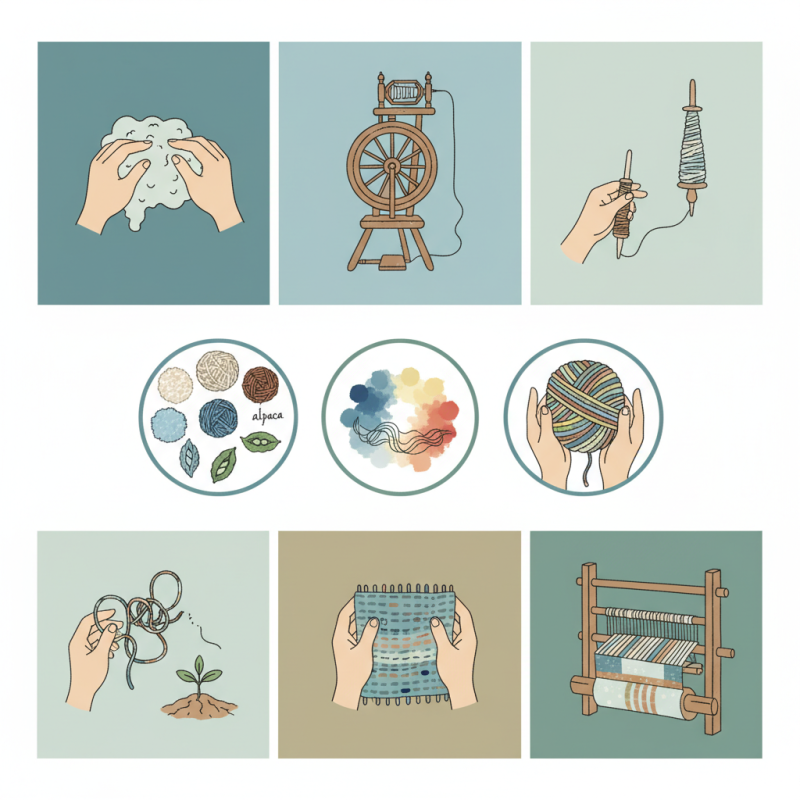
Spinning your own yarn can be exciting and rewarding. Whether you choose a spindle or a wheel, each method has its charm. Start by selecting your fiber. Wool, cotton, and alpaca are great choices. Prepare your fiber by washing and combing it. This step is crucial for a smooth spin.
When using a spindle, hold it in one hand. The other hand will draft the fiber. Gently pull the fiber while letting the spindle spin. It’s a bit tricky at first. Don’t worry if the yarn isn’t even. Practice will improve your technique. If you opt for a wheel, sit comfortably and learn the treadling motion. Maintaining a consistent rhythm can be challenging. You may find yourself speeding up or slowing down unintentionally.
As you spin, keep your focus. Watch for twists and loops in the yarn. Embrace the unique character of your work. Every skein tells a story. Some may come out too thick or too thin. That’s okay! Each attempt teaches you something new. Celebrate your progress, no matter how small. Spinning is a journey of creativity and personal growth.
How to Spin Your Own Yarn and Create Unique Textiles at Home?
| Step |
Description |
Materials Needed |
Time Required |
| 1 |
Choose your fiber source, such as wool or cotton. |
Fiber (wool, cotton), scissors |
15 minutes |
| 2 |
Prepare your fiber by washing and carding. |
Water, detergent, carding tool |
1 hour |
| 3 |
Start spinning the fiber using a spindle or wheel. |
Spindle or spinning wheel, fiber |
Varies (1-2 hours) |
| 4 |
Wind the spun yarn onto a bobbin or into a skein. |
Bobbin, niddy noddy |
30 minutes |
| 5 |
Set the twist by washing the yarn and letting it dry. |
Bucket, warm water, vinegar (optional) |
2 hours (including drying) |
Techniques for Plying and Finishing Your Hand-Spun Yarn
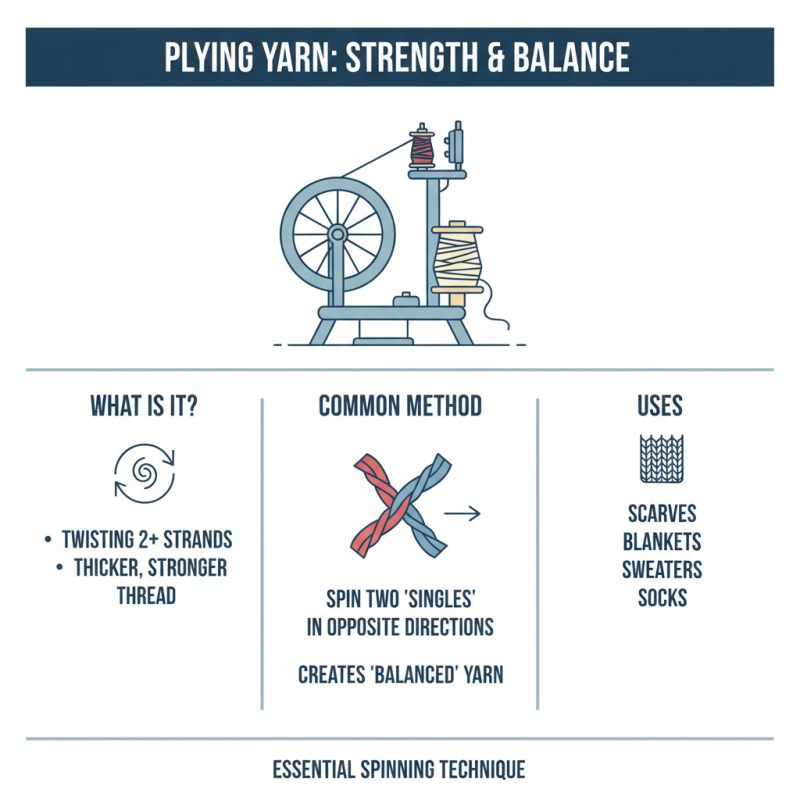
Plying is an essential technique in spinning yarn. It involves twisting two or more strands together to create a thicker, stronger thread. You can ply your yarn in different ways. One common method is to spin two singles together in the opposite direction. This can create a balanced yarn, perfect for various projects like scarves or blankets.
When you finish your hand-spun yarn, take some time to set the twist. Soak the yarn in lukewarm water for about 30 minutes. This step relaxes the fibers and helps them retain their shape. Ensure you do not agitate the water, as it can cause felting. After soaking, lay the yarn flat on a towel and gently roll it up to remove excess water. Don't twist it too tightly; this may affect the yarn's texture.
Tips: Experiment with different plying techniques. You might prefer a loose ply or a tight one. Pay attention to how these choices affect your final project. Remember, the process can be messy. Sometimes, you may end up with uneven twists or knots. That's okay; every imperfection tells a story. Embrace them as part of your unique textile.
Exploring Creative Ways to Use Hand-Spun Yarn in Textiles
Creating textiles from hand-spun yarn can be a rewarding journey. The tactile experience of crafting unique pieces is unlike any other. After spinning your yarn, the possibilities abound. Consider knitting cozy scarves or weaving vibrant table runners. These projects bring warmth and personality to your home.
Experimenting can lead to unexpected results. You might face uneven tension or color blends that don't match your vision. Embrace these imperfections. They tell a story. A lumpy scarf can be a conversation starter. A mismatched blanket may hold sentimental value.
Don’t shy away from combining different materials. Cotton, wool, and even silk can create fascinating textures. You might be surprised by how a simple technique leads to stunning designs. Try crochet, weaving, or even free-form stitching. Each method can showcase your hand-spun yarn beautifully. Let your creativity flow freely. Sometimes the best creations come from mistakes. Embrace the journey and all its quirks.