What Is an Electric Moped Scooter?
An Electric Moped Scooter is a seated, battery-powered two-wheeler designed for everyday trips. It combines an electric motor, rechargeable battery, controls, and a frame built for steady riding. The exact design varies. Some models have pedals; others rely entirely on the motor. That difference can affect how a scooter feels, operates, and fits a rider’s needs.
Transportation researcher Chris Cherry studies electric micromobility and its role in daily travel. A practical takeaway from his work, paraphrased rather than quoted verbatim, is to judge a vehicle by the trips it can realistically serve. A short commute on quiet streets places different demands on a scooter than longer rides with steep hills. Battery capacity matters, but so do rider weight, temperature, speed, tire pressure, and frequent stops. A displayed range is an estimate, not a promise. Worth remembering.
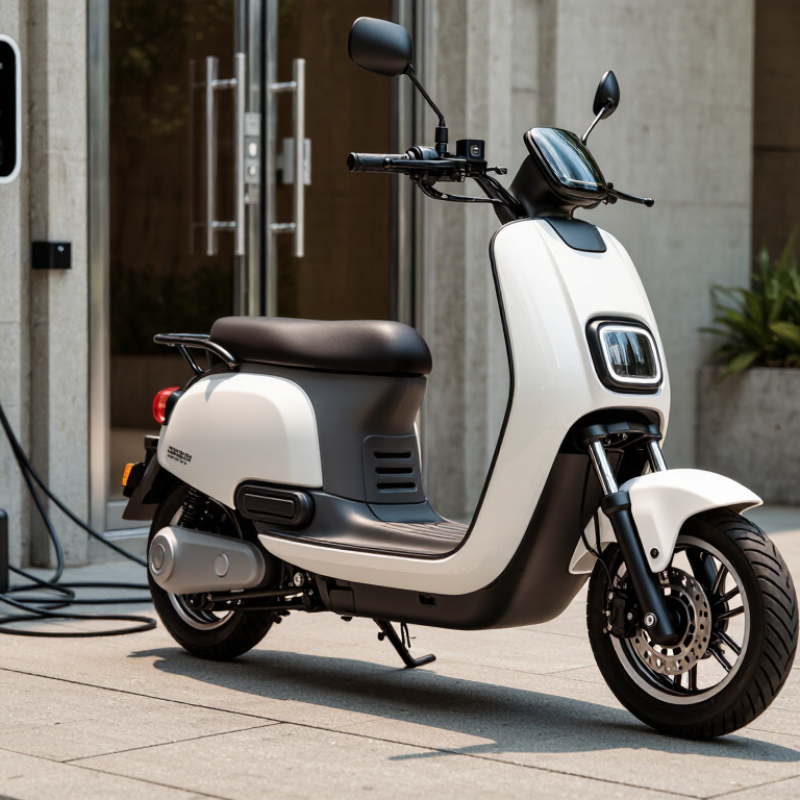
This guide explains how electric moped scooters work, which features deserve attention, and how they differ from related electric two-wheelers. It also looks at charging, comfort, maintenance, and everyday range. Picture a scooter parked beside a doorway, its charger tucked near a wall outlet. Small practical details matter. Seat height, storage space, brake feel, and charging access can shape the experience more than a glossy specification sheet suggests. And sometimes, the honest answer is that a particular model simply does not suit your route. That deserves a second look.
What Defines an Electric Moped Scooter? EU L1e-B: ≤45 km/h, ≤4 kW
An electric moped scooter is usually a seated, battery-powered two-wheeler made for short trips. In EU vehicle terminology, L1e-B is a useful category to recognize. It generally covers mopeds designed to travel above 25 km/h and up to 45 km/h, with maximum continuous rated power no greater than 4 kW. The continuous rating matters. A motor’s brief peak output can be higher, so peak figures alone do not define its class.
Numbers can mislead.
These limits describe the vehicle, not every part of the ride. Acceleration also depends on rider weight, battery condition, and road slope. Picture a steep street on a cold morning: the same scooter may feel less lively than it did on a level test route. A compact frame, step-through seat, mirrors, and under-seat storage are common practical features, but designs vary. Check the technical documents for the rated power and vehicle category; sales descriptions may use “moped” loosely. L1e-B is a clear technical boundary, though it cannot promise a particular range, comfort level, or hill-climbing ability. The category is tidy on paper. Real rides are less tidy.
How Its Motor, Battery, and Controller Produce Electric Drive
An electric moped scooter turns stored battery energy into wheel motion through three linked parts: the battery, controller, and motor. The battery supplies direct current, while its management system monitors conditions such as temperature and charge. A twist of the throttle sends a signal—not full motor power—to the controller. That distinction matters.
The controller regulates how much current reaches the motor and, in many designs, switches that current in timed patterns to create rotation. More current can produce stronger acceleration, but heat and battery limits constrain the demand. Many scooters use a hub motor inside a wheel; others drive the wheel through a separate transmission. The layout changes the hardware, not the basic job. At a stoplight, the controller may limit output smoothly; on a steep hill, the system can draw more power and warm up. Real operation is less tidy than a diagram.
The International Energy Agency’s Global EV Outlook 2024 reports that electric two- and three-wheeler sales reached nearly 10 million in 2023, roughly one in five global sales in that category.
That growth makes clear labeling useful: advertised range is not a fixed promise. Rider weight, hills, speed, tire pressure, and cold weather can all change energy use. A practical check is to watch battery level during a familiar route, rather than assume the motor or battery works at peak efficiency all the time.
Which Specs Shape Range: Battery Capacity, Motor Power, and Vehicle Load
What Is an Electric Moped Scooter?
Which Specs Shape Range: Battery Capacity, Motor Power, and Vehicle Load
An electric moped scooter uses a battery to power an electric motor and turn the wheel. Battery capacity, measured in kilowatt-hours (kWh), sets the energy available for a ride. For example, 1.5 kWh divided by a measured use of 40 watt-hours per kilometer suggests about 37 kilometers. That estimate assumes the full battery is usable. It rarely is.
Motor power affects acceleration and hill-climbing, but a higher-wattage motor does not automatically mean greater range. It may draw more energy when ridden hard. Rider weight, cargo, steep roads, frequent stops, and low tire pressure can also raise consumption. The U.S. Department of Energy’s Alternative Fuels Data Center notes that driving conditions, habits, and vehicle load influence electric-vehicle range. Real-world range is messy. A short, steep commute may use more energy than a longer, steady ride.
Tips: Compare usable battery capacity, not just the advertised number. Check range tests for similar rider weight and terrain, then leave a buffer for cold weather and hills. One detail is easy to miss: published range figures may come from ideal test conditions, not your everyday route.
How EU L-Categories Distinguish Mopeds from Faster Motorcycles
What Is an Electric Moped Scooter? In the EU, the answer depends less on its styling than on its approved vehicle category. Under Regulation (EU) No 168/2013, an L1e-B two-wheel moped has a maximum design speed of 45 km/h and maximum continuous rated power of 4 kW. A faster vehicle may fall into an L3e motorcycle category, with its specific class determined by technical limits such as power and engine size. Small details matter. A speed display alone does not establish a vehicle’s legal category; check its type-approval documents and rating plate.
That distinction affects practical use, not just terminology. Category influences licensing, registration, road access, and safety requirements, which can vary by country. The European Commission’s vehicle framework provides the technical definitions, while the International Energy Agency’s Global EV Outlook 2024 reports nearly 10 million electric two- and three-wheeler sales worldwide in 2023. That figure includes markets beyond Europe, so it should not be read as an EU moped count. A quiet motor and compact wheels can make two vehicles look alike. Not just speed. I would still check the approved category before comparing performance claims; familiar product labels can leave important limits unclear.
What Is an Electric Moped Scooter? — How EU L-Categories Distinguish Mopeds from Faster Motorcycles
Note: EU vehicle categories are based on technical definitions in Regulation (EU) No 168/2013. The figures shown are category limits, not a guarantee of real-world speed or range. National rules can vary, so check local requirements and the vehicle’s certificate of conformity.
What Rules Govern Licensing, Registration, and Road Use?
An electric moped scooter uses an electric motor for propulsion, but its legal category depends on features such as maximum speed, motor output, and whether it has pedals. Similar-looking scooters may therefore face different rules. Rules differ.
In the United States, federal vehicle definitions and state motor-vehicle laws do not always classify these vehicles the same way. Before riding, check your state motor vehicle agency’s requirements for a driver’s license or moped permit, title, registration, plates, and insurance. Local rules may also control minimum age, helmet use, speed limits, and whether you can ride on roads, bike lanes, or sidewalks. NACTO’s 2023 Shared Micromobility Report counted 157 million shared bike and scooter trips in the United States and Canada. That figure describes shared micromobility, not private mopeds, but it shows why road rules matter in busy streets.
Tips: Read the vehicle’s specifications before buying, then confirm its classification with your local agency. Keep registration documents accessible, and check signs before entering a bike lane. A retailer’s label may not match your jurisdiction’s legal definition.