7 Tips for Choosing an Automatic Coir Yarn Spinning Machine

Choosing an automatic coir yarn spinning machine is not just a matter of comparing output figures. The right equipment must suit your fibre quality, production goals, available floor space, and operators’ experience. A machine that runs smoothly with clean, evenly prepared coir may struggle when fibres vary in length or moisture. Small details matter.

A practical buying principle is: “Choose for steady fibre control, not brochure speed.” I can’t verify a named expert quotation from the material provided, so I won’t attribute invented words to a real specialist. That caution reflects an important part of informed purchasing: check claims against a live demonstration, written specifications, and references from comparable plants.

This guide presents seven tips for assessing an automatic coir yarn spinning machine, from yarn consistency and production capacity to safety features, maintenance access, spare-parts support, and total operating cost. Look closely at the drafting rollers, guards, tension settings, and the space needed to clean around the machine. Ask how quickly settings can be adjusted when a new batch of fibre arrives. Then consider the less glamorous questions: Who will service the drive system? Are replacement parts readily available? A polished showroom run is useful, but it cannot predict every production shift. Match the machine to real working conditions, and treat supplier promises as claims to verify—not guarantees.
7 Tips for Choosing an Automatic Coir Yarn Spinning Machine

Define Production Goals and Coir Fiber Requirements

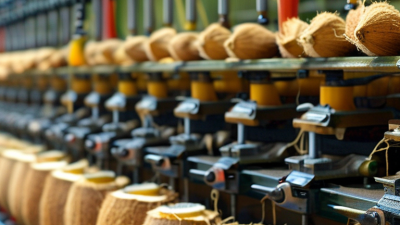
Before comparing machine speed, define the yarn you need to make. Record target yarn diameter, twist, daily output, and the end use, such as mats or rope. Then inspect the coir: note fiber length, moisture, dust, and how much pith remains. These details affect feeding, carding, and yarn consistency. FAOSTAT’s 2022 crop data puts global coconut production at roughly 63 million tonnes. That figure counts whole coconuts, not recoverable coir, so it cannot predict your local fiber supply.

Tips: Test a representative batch before selecting capacity. Ask the supplier to run your actual fiber, then check yarn thickness, breaks, and waste. Specify moisture range and acceptable contamination in writing. A line rated for uniform fiber may struggle with damp, tangled material. Small differences matter.

Set production goals using realistic shifts, not only the machine’s maximum rating. Compare expected kilograms per hour with the yarn count you need, and allow time for cleaning and setup. Keep samples from different deliveries; coir quality can vary by source and season. I would leave room for adjustment, too. Fiber is rarely as consistent as a specification sheet suggests.

7 Tips for Choosing an Automatic Coir Yarn Spinning Machine

Define Production Goals and Coir Fiber Requirements

Example planning calculations: monthly yarn output targets are divided by 160 scheduled operating hours per month. The resulting rates are average net output requirements, not machine performance claims. Allow for downtime and confirm the machine’s fiber-length, moisture, and feed-preparation requirements with the supplier.

Compare Output Capacity, Yarn Range, and Automation Level

When choosing an automatic coir yarn spinning machine, compare rated output with your actual production target, not the largest figure on a sales sheet. Check whether capacity means kilograms per hour, per shift, or continuous operation. FAOSTAT’s 2022 crop data put global coconut production at about 63 million tonnes. That signals a large raw-material base, but it cannot predict local coir availability or fiber quality.

Request a trial using your own prepared husk. Record saleable yarn, waste, stoppages, and operator hours. Output can drop when fiber moisture varies or feeding becomes uneven. This comparison is imperfect. Yet it tells you more than a brochure figure. Check the yarn range, including count, twist, and ply, against your rope, mat, or brush requirements. Confirm that changing settings does not require lengthy re-threading.

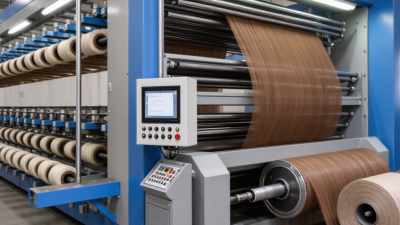
Automation is not all-or-nothing. Some lines still need manual feeding and frequent tension checks; more automated systems may coordinate feeding, winding, and fault stops. Ask which tasks are genuinely automatic and which need an operator nearby. Short stops matter. Compare staffing per shift, alarms, cleaning access, and restart time. Request run logs from several batches, not just one polished demonstration. A lower peak output may suit your operation better if it delivers steadier yarn and less rework.

Check Machine Construction, Energy Use, and Safety Features

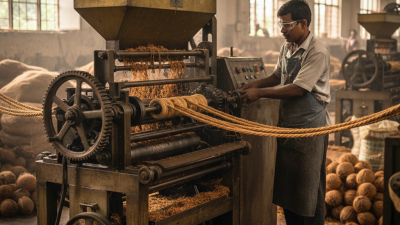
Inspect the frame under load, not only in showroom photographs. A rigid base should resist vibration when coir fiber feeds through the rollers. Check welds, bearing access, belt covers, and whether guards stay secure during operation. Small details matter. A loose panel can rattle; a poorly placed access point can make routine cleaning awkward. Ask for a demonstration using coir similar in length and moisture to your own material. I would also ask how alignment is checked after transport. It is easy to overlook.

Energy claims need a real operating figure. The UNIDO and International Energy Agency report Policy Guidelines for Energy Efficiency in Industrial Motor Systems estimates that motor systems use about 60% of industrial electricity. That is a broad industry benchmark, not a coir-machine rating. Request measured kilowatt-hours per kilogram, with feed rate and yarn quality recorded. Compare like with like. For safety, look for reachable emergency stops, fixed guards around moving parts, clear labeling, and safe access for cleaning. Ask operators to test the stop controls during the demonstration. A machine may look efficient on paper, yet feel tiring or awkward after a full shift; trial it with the people who will actually run it.

Review Maintenance Needs, Spare Parts, and Technical Support

An automatic coir yarn spinning machine is only as dependable as its maintenance plan. Ask for the recommended service intervals, lubrication points, and cleaning steps before purchase. Coir dust and loose fibers can collect around rollers, guides, and bearings, so check whether these areas are easy to reach. Small details matter. Confirm which wear parts need routine replacement and how quickly they can be supplied.

Tip: Request a written spare-parts list with part numbers, expected service life, and local stock status. Keep critical items such as belts, bearings, and guides on hand if delivery delays could stop production. Siemens’ 2024 True Cost of Downtime report estimated that downtime costs large industrial companies about $1.4 trillion annually, or 11% of revenue. That figure is not specific to coir machinery, but it shows why repair readiness deserves attention.

Before committing, ask what technical support includes: remote troubleshooting, operator training, and access to service technicians. Clarify response times and whether support covers installation and adjustment after the first production run. Ask to see a sample maintenance checklist. It may reveal gaps. I would also speak with operators who use similar equipment; their notes on cleaning and recurring adjustments can be more practical than a polished specification sheet.

7 Tips for Choosing an Automatic Coir Yarn Spinning Machine - Review Maintenance Needs, Spare Parts, and Technical Support

Tip What to Review Questions to Ask or Checks to Make Why It Matters
1. Match the machine to your coir fibre Check the machine’s stated suitability for your fibre preparation, fibre length, moisture condition, and intended yarn range. Can the supplier run a trial using a representative sample of your prepared coir fibre? Which input conditions and yarn specifications are assumed? Coir characteristics and preparation affect feeding, drafting, yarn formation, and the consistency of the finished yarn.
2. Review routine maintenance tasks Look for accessible cleaning points, lubrication locations, inspection covers, and clear maintenance instructions for moving parts. Request the maintenance schedule and list of daily, periodic, and condition-based checks. Confirm which tasks require a trained technician. A clear, practical maintenance plan helps prevent avoidable wear and makes routine servicing easier to organize.
3. Check wear components and replacement access Identify components subject to wear, such as belts, bearings, rollers, guides, and yarn-contact parts, according to the machine design. Are part numbers, replacement procedures, and required tools documented? Can common service parts be changed without dismantling major assemblies? Knowing what wears and how it is replaced helps estimate service effort and plan inventory.
4. Verify spare-parts availability Review the recommended spare-parts list, component specifications, ordering process, and availability of compatible replacements. Which parts are recommended for initial stocking? Are drawings or specifications available to identify parts accurately? Ask for typical dispatch arrangements in writing. A parts plan can reduce delays when a component needs replacement and helps avoid ordering mismatched items.
5. Assess technical support and training Confirm installation guidance, operator training, troubleshooting resources, and the available channels for technical assistance. Who handles support, in which languages, and during what hours? Is remote assistance available? What is included in commissioning and training? Timely guidance helps operators use the machine correctly and supports faster diagnosis of operating issues.
6. Inspect safety and electrical documentation Check guarding, emergency-stop provisions, electrical drawings, operating instructions, and the stated power and installation requirements. Are safety devices and installation requirements documented? Do the machine’s electrical specifications match the site supply and applicable local requirements? Proper documentation and site compatibility are essential for safe installation, operation, and maintenance.
7. Compare service terms before purchase Review warranty coverage, exclusions, service responsibilities, recommended consumables, and the documentation supplied with the machine. Which components and labor are covered, and for how long? What records must be kept for service claims? Request written terms and a complete manual set. Written terms clarify responsibilities and make it easier to compare the full ownership and support requirements.

Note: Confirm machine capabilities, maintenance intervals, spare-parts requirements, and service commitments against the specific model’s documentation and a sample-fibre trial.

Assess Total Cost, Supplier Reliability, and Performance Tests

7 Tips for Choosing an Automatic Coir Yarn Spinning Machine

Tip 1: Compare total cost, not just the purchase quote. Include installation, operator training, routine maintenance, replacement parts, and expected downtime. The International Energy Agency estimated that electric motor-driven systems use about 46% of global electricity (IEA, Energy-Efficiency Policy Opportunities for Electric Motor-Driven Systems, 2011). That figure is not specific to coir machines, but it makes motor efficiency worth checking. Ask for measured power consumption during a production run. Small differences matter.

Tip 2: Check supplier reliability with evidence. Request customer references, typical spare-part lead times, warranty terms, and a written service response target. A polished brochure is not proof. Ask who will troubleshoot the machine after installation, and whether support includes practical operator training. I would also verify that commonly replaced components are available locally; this detail is easy to overlook.

Tip 3: Require a performance test using your coir fiber. Agree on moisture range, yarn count, production speed, yarn break frequency, and acceptable waste before testing. Record results across a sustained run, not only during a brief demonstration. Compare output and power use under the same settings. Fiber quality varies, so one test may not predict every shift. Keep the raw test sheet and clarify how rejected yarn is counted.