How to Choose an Eri Silk Spinning Machine in 2026?
Choosing an eri silk spinning machine in 2026 requires more than comparing prices online. The right model must match your fiber preparation, production volume, yarn specification, and available power. Eri silk behaves differently from many conventional fibers. Its short lengths, variable texture, and residual moisture can expose weaknesses in drafting, twisting, and winding.
In practical workshops, small details matter. A rough feed roller can damage delicate fibers. An unstable tension system can create uneven yarn within minutes. These problems may remain hidden in a product brochure. This guide examines machine structure, control systems, output quality, maintenance, safety, and supplier support. It also considers whether a compact semi-automatic unit suits a craft studio better than an industrial line. Specifications deserve verification through sample trials, not attractive photographs. Ask manufacturers for test-yarn data, motor information, spare-parts availability, and documented operating limits. An experienced supplier should explain cleaning intervals and likely wear points clearly. Independent inspection records can strengthen confidence, although they do not replace hands-on testing.
No machine is perfect. Even a respected model may require slower settings for fragile eri fibers. That limitation is easy to overlook. Before purchasing, calculate total ownership cost, including electricity, training, installation, repairs, and downtime. Check guarding, emergency stops, noise levels, and operator access during demonstrations. A reliable choice is not always the fastest machine. It is the machine that produces consistent yarn safely, supports your workflow, and remains serviceable after the sale.
Understanding Eri Silk and Its Spinning Requirements
How to Choose an Eri Silk Spinning Machine in 2026?
Eri silk differs from mulberry silk in both fiber structure and spinning behavior. Its open-ended cocoons produce shorter, coarser fibers with a soft, irregular surface. The Central Silk Board’s 2023–24 statistics report approximately 6,000 tonnes of eri silk production in India. This remains a specialized segment.
Textile Exchange’s Materials Market Report 2024 places total global fiber production at about 124 million tonnes, while silk represents only a very small fraction. That contrast explains why eri equipment needs careful adjustment, not simply a smaller version of a standard silk machine.
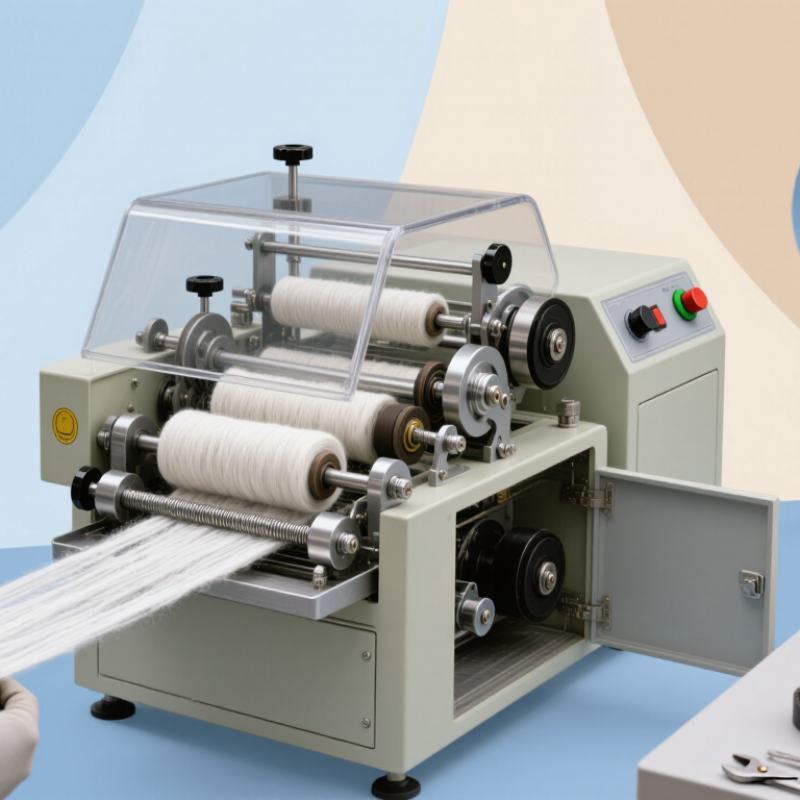
Look for a machine with gentle drafting, stable low-tension feeding, and adjustable spindle speed. A larger fiber passage can reduce choking when loose eri fibers enter the drafting zone. Variable twist control also matters. Too little twist causes breaks; too much twist makes the yarn harsh. Practical trials should measure yarn unevenness, breakage rate, and waste over several hours. Do not judge only by the first bobbin.
A clean workshop helps.
Eri fibers often contain small residues from hand processing, so accessible cleaning points are useful. Humidity control deserves attention too, although its effect may vary with local fiber preparation.
I would question any specification sheet that promises uniform output without sample testing. Operator skill still changes the result. A machine may be technically advanced, yet poorly suited to a cooperative using hand-opened cocoons and mixed staple lengths.
Test the exact eri material before purchase.
Comparing Machine Capacity, Spinning Quality, and Automation
How to Choose an Eri Silk Spinning Machine in 2026?
Eri silk is a small but valuable fiber segment. Textile Exchange’s 2024 Materials Market Report places silk at roughly 0.2% of global fiber production. That limited scale makes machine selection highly practical. A workshop should measure real cocoon availability before choosing capacity. Machines rated at 5–10 kilograms daily may suit small producers. Larger systems can exceed 20 kilograms, but only with steady feeding, trained operators, and reliable maintenance. Bigger is not always better.
Spinning quality depends on more than output. Check yarn evenness, twist control, broken ends, and waste percentage during live trials. Eri fibers can vary in length and moisture, which affects drafting stability. The International Sericultural Commission’s recent statistics show that silk production remains concentrated in Asia. Local fiber conditions therefore matter. Ask for tests using your own eri material. Sample reels can look impressive. Production batches may not.
Automation should reduce inconsistency, not remove human judgment. Useful features include electronic tension control, automatic stop functions, speed adjustment, and digital production records. Sensors can detect irregular running, but they cannot correct poor fiber preparation. A simple interface is often more valuable than excessive software. I would also inspect cleaning access, spare-part availability, and operator safety systems. One overlooked detail: noisy machines can hide early mechanical problems. The ideal choice may be less automated, slower, and easier to repair. That is not a failure. It is a decision worth reviewing.
Evaluating Power Use, Maintenance, and Operator Requirements
How to Choose an Eri Silk Spinning Machine in 2026?
Power use should be measured during real spinning, not only from the motor label. A machine using 2 kW may consume more than expected during frequent starts, jams, or heavy fiber loads. Ask for energy data from a complete test cycle. Record production output, operating hours, and standby consumption. This simple comparison reveals the actual cost per kilogram. Small workshops may prefer adjustable-speed motors, especially when local electricity supply fluctuates. Lower power is not always better. Weak torque can increase waste and slow production.
Maintenance affects both reliability and operator confidence. Inspect whether belts, bearings, rollers, and cleaning areas are easy to reach. Eri fibers can collect around moving parts, so daily brushing should take only a few minutes. Check the lubrication schedule and the availability of clearly labeled replacement parts. A practical trial should include threading, tension adjustment, and a short stoppage recovery. The operator should not need advanced mechanical skills for routine tasks. However, I would not assume every “easy” control panel is truly intuitive. Let two operators test it without assistance. Their mistakes may expose poor instructions or awkward hand positions. Keep service records, energy readings, and training notes from the first month. Small omissions often become expensive habits.
How to Choose an Eri Silk Spinning Machine in 2026? — Evaluating Power Use, Maintenance, and Operator Requirements
| Machine Configuration |
Typical Spindles |
Connected Electrical Load |
Estimated Annual Electricity Use |
Typical Eri Yarn Output |
Operators Required |
Routine Maintenance |
Best Fit |
| Hand-operated spinning wheel |
1 |
None |
0 kWh |
0.5–1.5 kg/day |
1 operator per wheel |
Cleaning and lubrication: approximately 1–2 hours/month |
Household and training use |
| Motor-assisted single-spindle wheel |
1 |
0.10–0.25 kW |
200–500 kWh/year |
1.5–3.0 kg/day |
1 operator |
Drive belt, bearings, and yarn guides; approximately 2–4 hours/month |
Small cooperative with limited power |
| Semi-automatic multi-spindle machine |
4–8 |
0.75–1.50 kW |
1,500–3,000 kWh/year |
4–10 kg/day |
1 operator for loading, piecing, and doffing |
Spindle alignment, belts, bearings, and drafting-area cleaning; approximately 4–8 hours/month |
Village-level production and shared facilities |
| Programmable multi-spindle spinning machine |
8–16 |
1.50–3.50 kW |
3,000–7,000 kWh/year |
8–20 kg/day |
1 operator, with part-time material handling support |
Daily cleaning; scheduled inspection of sensors, motors, belts, and tension controls; approximately 8–12 hours/month |
Consistent yarn production and multiple counts |
| Industrial automatic spinning line |
16–32+ |
4.00–8.00 kW |
8,000–16,000 kWh/year |
20–40 kg/day |
1 operator per line, plus a maintenance technician |
Daily cleaning, preventive servicing, sensor calibration, and planned replacement of wear parts; approximately 16–24 hours/month |
Centralized production with reliable three-phase power |
|
Planning basis: electricity estimates assume 8 operating hours per day, 250 operating days per year, and the midpoint of each stated connected-load range. Output depends on eri cocoon quality, fiber preparation, yarn count, operator skill, humidity, machine efficiency, and downtime. Confirm final figures through a machine trial using the intended eri fiber before purchase.
|
Selecting the Best Machine for Your Budget and Production Goals
How to Choose an Eri Silk Spinning Machine in 2026?
Selecting the right eri silk spinning machine begins with your actual production target, not an impressive specification sheet. Small workshops may need adjustable speed, simple controls, and one or two spinning positions. Larger operations should compare spindle capacity, hourly output, yarn-count range, and continuous running stability. Eri fibers can vary in length and texture, so a machine designed for uniform fibers may produce uneven yarn or frequent breaks.
Set a complete budget before choosing equipment. Include carding, drafting, twisting, installation, electricity, operator training, spare parts, and maintenance. The cheapest machine can still be expensive. Ask for a trial using your own prepared eri fiber. Check yarn evenness, strength, softness, slubs, and waste after several hours. A short demonstration is useful, but it may hide problems.
Look for adjustable tension, low-speed testing, accessible cleaning points, and clear safety instructions. Request technical drawings, performance data, warranty terms, and a realistic spare-parts schedule. Reliable technical support matters when a belt fails during a busy order. Production goals can also change. A machine for sampling may not support future expansion. A perfect spreadsheet cannot predict every fiber variation. Leave room for learning, adjustment, and occasional imperfect yarn.