Choosing the best yarn spinning equipment in 2026 requires more than comparing machine speeds. A modern spinning mill must balance productivity, yarn quality, energy use, automation, and maintenance access. Ring frames, open-end machines, compact spinning systems, and air-jet technologies each solve different production problems. The right choice depends on fiber type, yarn count, order volume, factory skills, and budget.
Dr. Seshadri Ramkumar, a textile materials scientist at Texas Tech University, has said, “Sustainability is no longer a choice; it is a business imperative.” His point matters on the factory floor. A machine that produces more kilograms may still perform poorly if it wastes fiber or consumes excessive electricity. Operators should inspect real production data, not only brochure claims. Check power consumption per kilogram, waste percentages, spindle stability, and downtime records. Small details matter. A dirty sensor can interrupt an entire shift.
This guide evaluates yarn spinning equipment through practical performance and long-term value. It considers automation, digital monitoring, component durability, operator training, and after-sales support. Energy meters, uneven yarn samples, and noise levels can reveal weaknesses during a trial. Still, no machine is perfect. A highly automated system may reduce labor pressure but demand stronger technical skills. A cheaper installation may create expensive maintenance problems later. Buyers should compare tested results from similar fibers and yarn counts. The best equipment is not always the newest model. It is the system that consistently matches the mill’s material, people, and production goals.
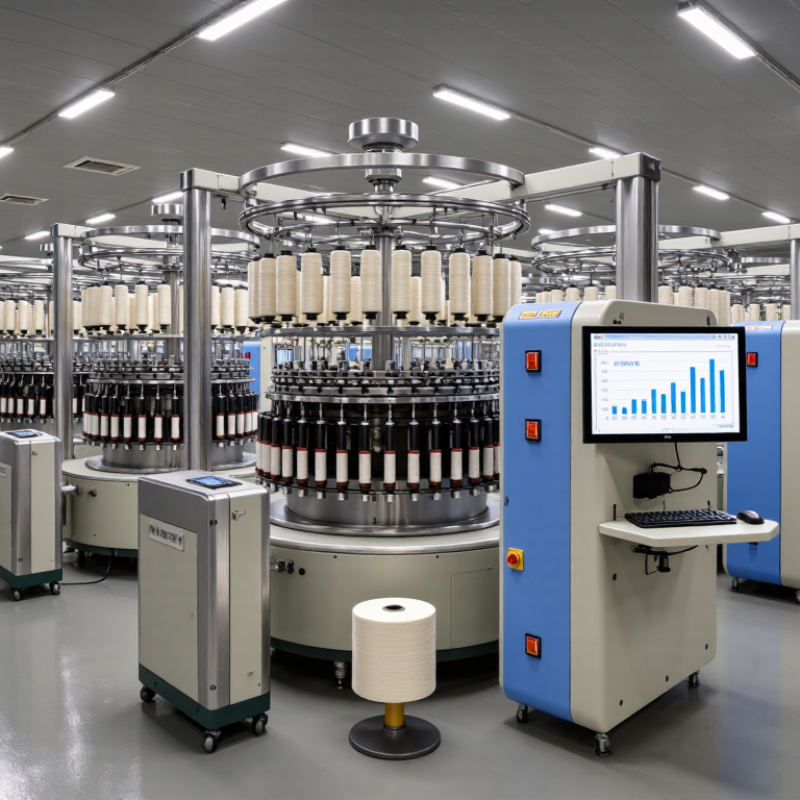
In 2026, the industry uses several spinning systems rather than one universal machine. Ring spinning remains important for fine, strong yarns used in apparel and home textiles. ITMF reported 8.61 million new short-staple spindles shipped worldwide in 2023. That figure shows continuing confidence in conventional systems.
Open-end spinning suits denim, towels, and other medium-count products. It uses fewer process stages and handles recycled fibers with practical flexibility. ITMF recorded about 109,500 open-end rotors shipped in 2023. Air-jet spinning also gained attention, with approximately 15,000 units reported. These figures are not a perfect forecast. Market data often arrives after purchasing decisions.
The best equipment in 2026 depends on fiber type, yarn count, labor costs, and energy targets. Textile Exchange reported global fiber production at 124 million tonnes in 2023, with further growth expected by 2030. That pressure encourages mills to install systems with better waste control and fiber adaptability. Automated monitoring now checks spindle speed, yarn breaks, and moisture changes beside the operator. Useful, but not magic. A highly automated line can still produce weak yarn when opening, blending, or humidity control is poorly managed. In practice, many mills combine ring, rotor, and air-jet equipment across different product lines. That combination is less elegant, perhaps, but often more resilient.
Typical operating characteristics of the main yarn-spinning systems used by the textile industry in 2026
The values are representative industry operating points rather than market-share figures. Ring and compact spinning are preferred for fine, high-quality yarns; rotor spinning provides higher productivity for coarser yarns; and air-jet spinning offers very high delivery speeds for applications requiring low hairiness and fast production. Actual performance depends on fibre type, yarn count, machine configuration, and quality targets.
Modern yarn spinning machines turn loose fibers into a controlled, continuous strand. The process begins with opening and blending, where compressed fiber tufts are separated and evenly mixed. Carding removes much of the trash and aligns fibers into a thin web. A draw frame combines several slivers and reduces unevenness through precise roller drafting. Small changes matter. Humidity, fiber length, and roller pressure can alter the final yarn.
At the spinning stage, drafting rollers stretch the fiber strand to its target thickness. A spindle and traveler insert twist in ring spinning, while other systems use air currents or rotating rotors. Twist binds fibers together and affects strength, softness, and elongation. Modern machines use sensors to monitor yarn breaks, tension, speed, and diameter. When a fault appears, the control system can stop one position instead of the entire line. This saves material and limits downtime.
The best equipment depends on the yarn, production scale, energy budget, and required feel. High-speed operation is not automatically better. In a mill, I would inspect yarn evenness, splice quality, waste rates, cleaning access, and operator training. Data is useful, but it is not infallible. A dusty sensor may report a false defect. Human checks still matter. Some machines promise simple control, yet setup can be demanding. Good results come from matching fiber behavior with machine settings, then testing samples under real conditions.
The best spinning system depends on fiber type, yarn count, quality requirements, production volume, and energy targets. The figures below are typical industry ranges and may vary with machine configuration, fiber properties, and operating conditions.
| Spinning Equipment | How the Machine Works | Typical Yarn Count Range | Typical Delivery or Operating Speed | Suitable Fiber Length | Main Product Characteristics | Relative Energy Demand | Key Advantages | Main Limitations | Best Use in 2026 |
|---|---|---|---|---|---|---|---|---|---|
| Ring Spinning Frame | Drafted fibers are twisted and wound onto a bobbin by a rotating spindle, ring, and traveler system. | Approximately Ne 6–Ne 200 | About 15,000–25,000 rpm spindle speed, depending on yarn count and fiber | Generally 20–40 mm for cotton and cotton-type fibers | High strength, broad count range, soft handle, and good suitability for woven and knitted fabrics | High | Most versatile system; excellent yarn quality; suitable for fine and specialty yarns | Lower productivity per position; higher labor, space, and energy requirements than newer systems | Flexible mills, premium yarns, fine counts, and applications requiring maximum versatility |
| Compact Ring Spinning Frame | Uses an additional fiber-condensing zone before twisting to reduce the spinning triangle and improve fiber control. | Approximately Ne 20–Ne 200 | About 16,000–25,000 rpm spindle speed, depending on yarn specification | Usually 20–40 mm for cotton and cotton blends | Lower hairiness, higher strength, improved abrasion resistance, and more uniform yarn structure | High to very high | Premium quality, reduced hairiness, improved fabric appearance, and better downstream performance | Higher capital cost and maintenance needs; greater sensitivity to drafting and fiber preparation | High-value apparel, knitting, sewing thread, and fabrics requiring low hairiness |
| Rotor Open-End Spinning Machine | Sliver is opened into individual fibers, transported into a rotor, collected into a yarn tail, twisted, and continuously withdrawn. | Approximately Ne 6–Ne 40 | About 80,000–160,000 rpm rotor speed | Commonly 20–40 mm; also suitable for many recycled and shorter fibers | Bulkier yarn, good evenness, moderate strength, and strong suitability for coarse to medium counts | Medium | High productivity, direct spinning from sliver, fewer process stages, and good automation potential | Generally unsuitable for very fine counts; yarn may have lower strength and a different handle than ring yarn | Denim, towels, home textiles, workwear, coarse counts, and recycled-fiber yarns |
| Air-Jet Spinning Machine | Drafted fibers are exposed to controlled air vortices; wrapper fibers bind the core fibers while the yarn is continuously formed. | Approximately Ne 16–Ne 60 | About 300–600 m/min delivery speed | Typically 25–40 mm; performs best with clean, well-prepared fibers | Low hairiness, good abrasion resistance, clean appearance, and relatively stable yarn structure | Medium to high | Very high delivery speed, reduced winding requirements, low hairiness, and good automation capability | Requires compressed air; yarn hand and strength differ from ring-spun yarn; fiber selection is important | High-volume production of medium-count yarns for knitting, sheeting, and easy-care fabrics |
| Vortex Spinning Machine | A high-speed air vortex twists and wraps fibers around a relatively parallel core to form a stabilized yarn. | Approximately Ne 16–Ne 60 | About 350–550 m/min delivery speed | Usually 25–40 mm, including cotton, viscose, and selected blends | Low hairiness, good pilling resistance, clean surface, and strong resistance to abrasion | Medium to high | High productivity, fewer downstream processes, reduced hairiness, and strong suitability for automated production | Limited count range; not ideal for every fiber blend or very soft, high-bulk yarn application | Knitted apparel, bedding, towels, and mills prioritizing productivity and low hairiness |
| Self-Twist or Specialized Siro-Type System | Two drafted fiber strands are combined and twisted together, improving cohesion and producing a yarn with a distinctive structure. | Approximately Ne 10–Ne 80, depending on the configuration | Usually lower than air-jet systems and dependent on spindle or twisting arrangement | Suitable for medium and long staple fibers, including wool-type and blended fibers | Improved strength, visual effects, better strand cohesion, and potential for multi-component yarn designs | Medium to high | Useful for differentiated yarns, blended fibers, and products requiring special appearance or performance | More specialized setup; production economics depend strongly on the target product and material | Technical textiles, wool blends, fashion yarns, and value-added differentiated products |
| Automatic Winding and Yarn Clearing System | Packages are unwound and rewound while electronic sensors detect thick places, thin places, foreign matter, and other yarn faults. | Compatible with most spun-yarn counts | Commonly about 1,000–2,000 m/min winding speed, depending on package and yarn type | Depends on the upstream spinning system | Consistent packages, improved fault removal, better weaving and knitting performance, and traceable quality data | Low to medium | Improves final package quality, supports centralized data collection, and reduces manual handling | Does not create yarn; excessive clearing can reduce yield if settings are too aggressive | Modern mills seeking consistent packages, digital quality control, and reduced downstream stoppages |
Selection guide: Choose compact ring spinning for premium quality and low hairiness, rotor spinning for coarse counts and recycled fibers, air-jet or vortex spinning for high-speed medium-count production, and conventional ring spinning when maximum count flexibility and yarn versatility are required. In a modern mill, the best result often comes from combining the spinning technology with automated material handling, electronic quality monitoring, energy management, and optimized fiber preparation.
The best yarn spinning equipment is defined by measurable performance, not impressive specifications. ITMF’s International Textile Machinery Shipment Statistics 2023 recorded about 8.4 million new short-staple spindles shipped worldwide. That investment reflects continued demand for faster, more consistent production. However, speed alone can create uneven yarn, higher waste, and difficult maintenance.
A strong machine should combine precise drafting, automatic tension control, and real-time yarn monitoring. Sensors should detect thin places, thick places, and unexpected breaks before defects spread across a lot.
Energy efficiency also matters. Textile Exchange reported global fiber production reached approximately 124 million tonnes in 2023. This growth increases pressure to reduce power use and process more recycled and blended fibers. Flexible settings are essential.
Small details matter.
Operators should be able to change counts, blends, and twist levels without lengthy stoppages. Easy access to critical parts reduces downtime and improves workplace safety. Data export is valuable when it supports practical decisions, rather than producing endless dashboards.
I would not choose equipment from energy claims alone. Actual results depend on fiber quality, humidity, operator training, and maintenance discipline. A machine may look efficient during a demonstration, yet perform differently during a demanding night shift. Trial runs with local fibers remain necessary.
The best yarn spinning equipment in 2026 depends on the fiber, not on a single universal machine. Cotton needs strong opening, cleaning, and drafting control because short fibers can increase hairiness. Fine wool demands gentle handling, stable humidity, and accurate tension management. Flax is tougher and less forgiving. Its equipment must manage stiffness, unevenness, and natural impurities.
Compare systems through measurable fiber behavior. Check fiber length, fineness, moisture regain, strength, and contamination before selecting machinery. Ring spinning suits many fine and premium yarns, especially when strength and surface quality matter. Open-end spinning can handle shorter fibers and supports efficient production, but yarn structure may feel different. Air-jet systems offer speed and lower hairiness, although they may require careful fiber preparation.
Run a controlled trial.
Use the same blend, count, twist, and target strength. Record waste, energy use, spindle or rotor stability, yarn evenness, and operator adjustments. A system that looks efficient may create hidden costs through frequent stops or difficult maintenance. This part is often underestimated. Automation helps, but sensors cannot correct poor raw material preparation. For blended fibers, test separation, drafting behavior, and dye absorption after spinning. A polished specification sheet is useful, but mill-floor evidence is stronger. No comparison is perfect; seasonal moisture changes and operator skill can alter the results. Recheck the decision before scaling production.
The best yarn spinning equipment in 2026 will depend on changing production conditions, not advertising claims. Textile Exchange’s Materials Market Report 2024 recorded 124 million tonnes of global fiber production in 2023. It projects nearly 160 million tonnes by 2030. This growth will pressure mills to improve output while controlling energy, waste, and labor costs.
ITMF’s International Textile Machinery Shipment Statistics reported about 8.5 million new short-staple spindles shipped globally in 2023. That figure shows continued investment, even during uncertain demand. Future equipment must handle recycled fibers, uneven staple lengths, and higher contamination risks. Sensor-based systems can monitor yarn tension, breaks, humidity, and spindle speed in real time. Small changes matter. A single unstable drafting zone can create visible bars across finished fabric.
Energy efficiency will shape purchasing decisions. The European Commission’s Best Available Techniques reference for textiles emphasizes efficient motors, process control, and reduced resource consumption. Buyers should examine energy use per kilogram of yarn, not only hourly output. Automated doffing, predictive maintenance, and digital quality records can reduce stoppages. Yet automation is not automatically better. A complex system may require scarce technical skills and expensive replacement parts. That assumption deserves testing.
The strongest selection process combines trial spinning, lifecycle-cost analysis, operator feedback, and supplier documentation. Mills should test actual local fibers, including recycled blends, under humid and dry conditions. Reported efficiency may look impressive. Factory reality can disagree.