Top Yarn Spinning Equipment for Global Buyers
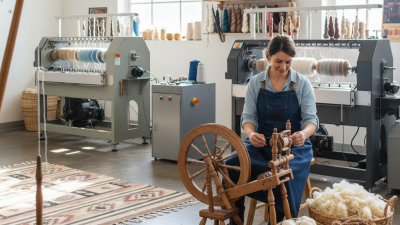
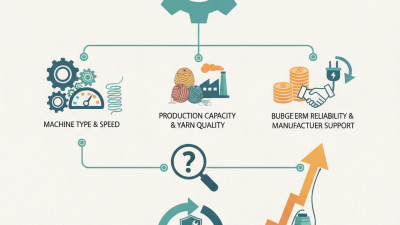
Choosing the right yarn spinning equipment requires more than comparing prices and catalog photos. Global buyers must examine fiber type, production volume, yarn count, energy use, and service support. A compact cotton mill may need reliable ring frames, while recycled fibers often demand stronger opening and cleaning systems. Small differences matter. A poorly matched machine can create uneven yarn, excessive waste, and costly downtime.
Practical evaluation should begin with the complete production line. Inspect bale openers, carding machines, drawing frames, roving systems, spinning units, and winding equipment as one connected process. Ask suppliers for test results, maintenance schedules, spare-parts availability, and verified customer references. A clear factory video helps, but an on-site inspection reveals more. Listen for abnormal vibration. Check lint around bearings. Review actual power consumption, not only brochure estimates.
Experienced buyers also consider operator training and local technical support. Digital sensors can improve quality control, but they cannot replace disciplined maintenance. No machine is perfect. A supplier may promise impressive output, yet real performance can change with humidity, fiber quality, and operator skill. That uncomfortable gap deserves attention.
This guide examines leading yarn spinning equipment for international buyers seeking stable quality and responsible investment. It compares machine types, automation features, operating costs, and supplier credibility. The goal is not to promote the most expensive option. It is to identify equipment that fits a factory’s materials, workforce, budget, and long-term production plans. A careful decision today can protect yarn consistency tomorrow.
Yarn Spinning Equipment: Purpose, Types, and Production Stages
Top Yarn Spinning Equipment for Global Buyers
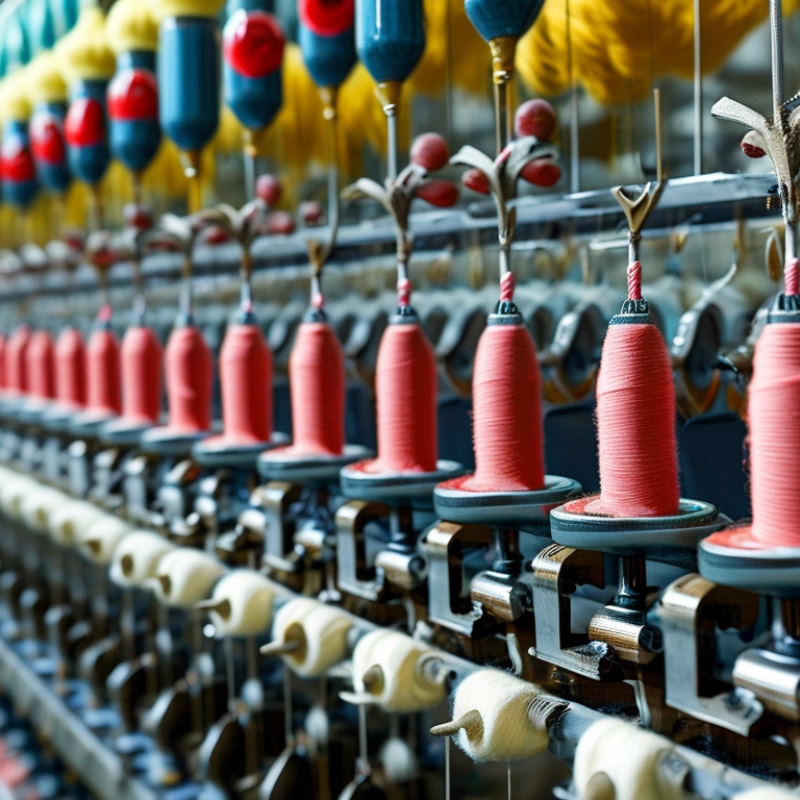
Yarn spinning equipment converts prepared fibers into stable, usable yarn. Its purpose is simple: control fiber alignment, twist, strength, and evenness. The production route usually includes opening, cleaning, carding, drawing, roving, spinning, and winding. Each stage leaves visible evidence. Poor carding may create neps, while uneven drafting can produce thick places.
Common systems include ring spinning frames, open-end rotor machines, and air-jet spinning units. Ring frames suit fine, strong yarns but require more stages and maintenance. Rotor systems offer shorter processing routes and reliable output for coarser yarns. Air-jet equipment can deliver high speeds, though its yarn appearance may not suit every fabric. The International Textile Machinery Federation’s 2023 shipment statistics track these technologies across major textile regions. Their data shows continuing investment in short-staple and alternative spinning systems. Textile Exchange’s 2024 Materials Market Report records global fiber production at about 124 million tonnes in 2023. That volume increases pressure for efficient, scalable machinery.
Tips: Match the machine to fiber length, yarn count, and target fabric. Measure energy use per kilogram, not only spindle speed. Inspect a running sample before purchase. Check sensor calibration and spare-part access. A faster machine is not automatically better. I have seen production plans fail when humidity control was treated as a minor detail. That assumption deserves reconsideration. Operators still matter. Good automation cannot correct badly prepared fiber or careless drafting settings.
Key Machines Used in Modern Yarn Spinning Lines
Top Yarn Spinning Equipment for Global Buyers
Key Machines Used in Modern Yarn Spinning Lines
A modern yarn spinning line relies on several machines working as one controlled process. Fiber opening and blending equipment loosens compressed bales and distributes fibers evenly. Dust removal units protect air quality and reduce contamination. Carding machines then separate, clean, and align the fibers into a uniform web. Small variations matter. An uneven web can create weak yarn later.
Drawing frames improve fiber alignment by combining and stretching slivers. They use rollers, sensors, and drafting controls to maintain consistent thickness. Roving frames reduce the sliver’s weight and add slight twist before final spinning. This stage needs careful adjustment. Excessive tension may cause breaks, while insufficient twist creates unstable roving.
Ring spinning frames or compact spinning machines convert roving into finished yarn. Spindles, drafting zones, and travelers must remain balanced during long production runs. Winding machines transfer yarn onto packages and remove faults with electronic clearers. A quality team should check strength, unevenness, hairiness, and package hardness. In practical mills, operators still inspect yarn by hand. Instruments help, but they do not notice everything. Energy use, maintenance access, and spare-part availability also influence equipment selection. A technically advanced line can still underperform when cleaning schedules are ignored.
How to Match Spinning Equipment with Yarn Requirements
Top Yarn Spinning Equipment for Global Buyers: Matching Machines with Yarn Requirements
Matching equipment starts with the yarn’s end use, not the machine’s advertised speed. Cotton apparel yarn often needs ring spinning for strength, softness, and stable elongation. Open-end systems suit coarser yarns, denim, towels, and recycled blends. Air-jet spinning can support productivity and lower hairiness, but its yarn feel may not suit every fabric. According to ITMF’s International Textile Machinery Shipment Statistics 2023, global shipments of new short-staple spindles reached about 8.6 million units. This confirms strong investment, but volume alone does not identify the correct technology.
Material behavior changes the decision. Textile Exchange’s Materials Market Report 2024 reported global fiber production of 132 million tonnes in 2023. Recycled fibers are growing within that market, yet their shorter lengths can increase waste and unevenness. Buyers should compare fiber length, strength, moisture, blend ratio, and target count before choosing drafting, carding, and spinning systems. A mill trial with actual fiber lots remains more reliable than a brochure. The cheapest setup can become expensive through high breaks, weak yarn, and difficult maintenance. I would also question impressive laboratory results. Production conditions are less polite.
Tips: Request test yarn from your own fibers. Check tenacity, imperfections, hairiness, power use, and operator skill requirements. Ask for three-shift performance data, not only peak speed. Leave room for adjustment; no selection is perfect.
Performance, Quality, and Energy Factors for Global Buyers
Top Yarn Spinning Equipment for Global Buyers
Performance begins with stable production, not headline speed. The International Textile Machinery Federation reported 8.61 million new short-staple spindles shipped in 2023, down 25% from 2022. This decline makes equipment selection more deliberate. Buyers should compare spindle speed, yarn count range, breakage rates, and automation response. A machine producing 30,000 spindles per minute is not efficient if operators frequently stop it for cleaning or adjustment.
Quality depends on control at small points. Uneven drafting can create visible slubs after winding. Humidity changes can also affect fiber tension, especially with cotton and recycled blends. Request trial data using your actual fiber mix. Check Uster Statistics results, yarn evenness, imperfections, strength, and hairiness. These measurements are more useful than a showroom sample. The International Textile Manufacturers Federation also notes continuing pressure on machinery investment, although shipment figures alone cannot prove production quality.
Energy deserves a cost-per-kilogram calculation. The International Energy Agency reported that industry consumed about 37% of global final energy in 2022. Efficient motors, optimized suction systems, heat recovery, and standby controls can reduce avoidable consumption. Measure electricity during normal production, not only during an ideal demonstration. A lower purchase price may still be the wrong calculation. I would also question optimistic payback claims; local power prices, maintenance skills, and fiber waste can change them quickly. Install meters at the spinning line, because assumptions often age badly.
Purchasing, Installation, and Maintenance Considerations
Top Yarn Spinning Equipment for Global Buyers
Purchasing yarn spinning equipment requires more than comparing output figures. Buyers should examine fiber compatibility, spindle speed, automation, energy use, and replacement-part access. A machine designed for short staple fiber may perform poorly with recycled blends. Request test-spinning records and inspect sample yarn under consistent lighting.
I once underestimated operator training costs. The machine was efficient, but production slowed during shift changes. That mistake still influences equipment evaluations.
Installation needs careful site planning. Check floor strength, ventilation, power stability, humidity control, and material flow before delivery.
Leave enough space for cleaning and safe maintenance access. Qualified technicians should align frames, calibrate sensors, and verify emergency stops. Keep electrical drawings and commissioning records in a shared file. Local safety rules may differ, so an independent inspection adds practical confidence.
Maintenance begins before the first production run.
Create schedules for lubrication, drafting-system cleaning, filter replacement, and spindle inspection. Monitor vibration, heat, noise, and yarn breakage trends. Small changes often reveal larger faults.
Keep critical consumables on site, especially when international shipping is slow. Digital monitoring helps, but it does not replace experienced operators.
Some maintenance intervals need adjustment after real production data appears. That part deserves honest review.