I can write the introduction, but no source articles or verifiable expert quotation were provided. I shouldn’t invent a named yarn reeling machine expert or attribute words to them. Please share a source or expert name and quotation, and I can incorporate it into the requested English introduction.
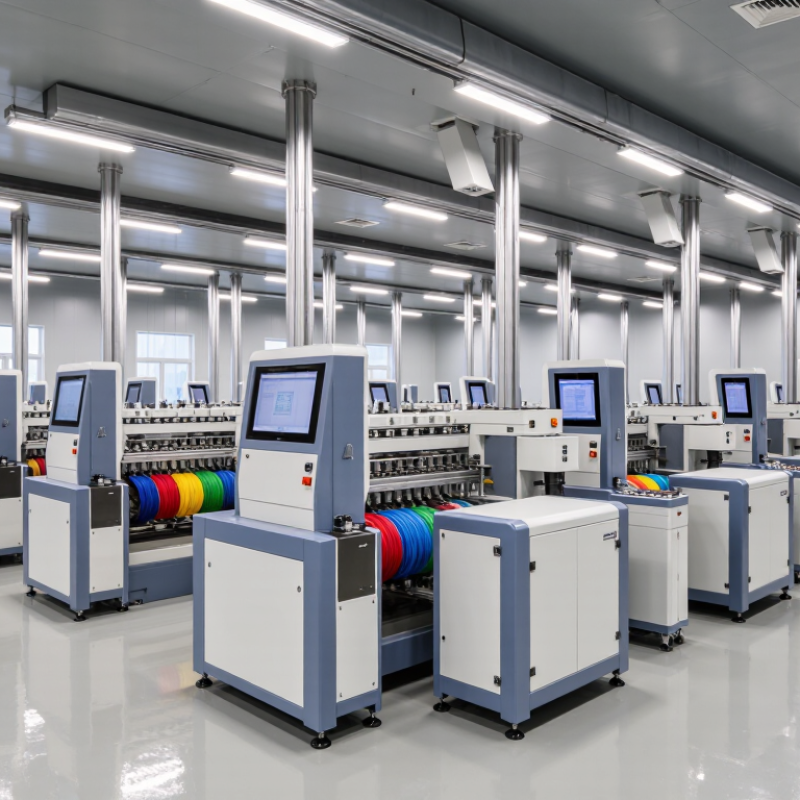
A yarn reeling machine transfers yarn from packages or cones onto a reel, forming measured skeins or hanks. These formats can support dyeing, inspection, sampling, and some downstream processes. The machine does not improve weak yarn; it handles the material. That distinction matters.
In operation, yarn unwinds from a creel and passes through guides and a tensioning device before reaching the rotating reel. A counter tracks revolutions or estimated length, while the reel’s motion distributes yarn across its arms. Operators then secure and remove the skein. Keep the path clear. Snags can cause uneven tension, broken ends, or inconsistent lengths. Actual results depend on yarn type, reel size, and settings.
Core components usually include a creel, yarn guides, tensioner, reel or swift, drive system, and length counter. Guards and accessible controls also matter during routine use. Some models add adjustable speed or automatic stopping, but features vary. Check whether the reel circumference suits the required skein length, and test with the actual yarn before setting production targets. A smooth-looking hank can still hide tension variation. It is easy to overlook. Regular checks help, though they cannot replace careful handling.
A yarn reeling machine winds yarn into hanks, helping prepare it for processes such as dyeing, inspection, or storage.
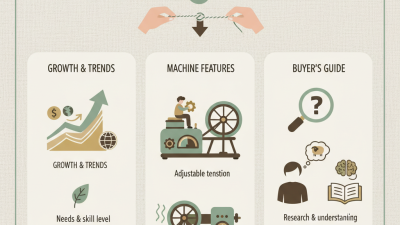
The bars show the order of the main reeling stages, not machine performance: yarn feed, tension control, reel winding, length measurement, and hank removal.
Yarn reeling machines handle different stages of yarn preparation, and the right type depends on the final package. Hank reelers wind yarn into loose skeins for dyeing, sampling, or craft use. Operators should check skein length and tension: uneven winding can cause tangles in the dye bath.
Precision package winders transfer yarn onto cones or tubes for storage and downstream processing. They suit mills that need consistent package density and smooth unwinding.
Not interchangeable.
Silk reeling machines draw continuous filament from softened cocoons, while laboratory reelers produce measured hanks for yarn-count testing. Each machine serves a distinct material or quality-control need.
Textile Exchange’s Materials Market Report 2024 estimates global fiber production reached 124 million tonnes in 2023. That scale highlights the importance of reliable yarn preparation, though fiber volume alone does not predict demand for any particular machine.
Small details matter. A tidy specification sheet may still miss floor conditions: humidity, yarn hairiness, and operator handling can affect results. Buyers should test representative yarn lots and inspect package build before choosing a configuration.
Comparing ten yarn reeling machines works best when each handles the same yarn, package size, and target output. A high spindle count looks impressive, but it does not guarantee usable production. Ask for rated speed, reel circumference, winding range, and output per shift. Check whether figures describe continuous running or ideal conditions. That distinction matters.
Match the machine type to the yarn and process. Delicate filament may need steadier tension control than robust spun yarn. Inspect traverse consistency, tension devices, break detection, and adjustment access. Ask to see a trial with your own yarn. Watch the package edges, not just the display. Uneven winding can cause trouble later. Confirm changeover time and operator steps; small delays accumulate.
Compare power use, footprint, safety guards, spare-part availability, and service response alongside purchase price. Verify electrical requirements and maintenance intervals in written documents. Request references from users handling similar fibers and shifts. A test report helps, though it may not reflect dusty floors or variable yarn lots. Be cautious with a single “best” score. Weight criteria by your actual orders and record assumptions. Some comparisons remain imperfect. That is worth admitting.
Yarn reeling machines transfer yarn from cones or cops onto a rotating reel, forming hanks for dyeing, testing, or craft use. The ten common options range from hand-operated reels to programmable automatic systems. Their practical differences include reel circumference, speed control, tension adjustment, hank counting, and doffing assistance. Textile Exchange’s Materials Market Report 2024 estimates global fiber production reached 124 million tonnes in 2023. That figure signals broad material demand, but it does not directly measure reeling-machine sales.
Manual and semi-automatic machines suit small workshops, sampling rooms, and short production runs. Automatic models support higher-volume mills with repeatable hank lengths and reduced operator handling. Soft-tension settings help protect delicate yarns, while counters make batch preparation easier. For dyeing operations, consistent hank density matters: uneven winding can restrict liquor flow and leave shades less uniform. Filament yarn may need gentler tension than many staple yarns. Still, no setting fits every fiber or process.
Tips: Ask suppliers to reel your actual yarn sample before purchase. Check the finished hank’s weight, circumference, and tension, then confirm cleaning access and spare-part availability. One detail is easy to miss: a fast machine can still produce inconsistent hanks if yarn tension varies.
Before comparing yarn reeling machines, define the yarns and packages you actually handle. Record fiber type, yarn count, target package weight, tube dimensions, and acceptable tension range. Ask suppliers to run a trial using your yarn, not a similar sample. Check package density and unwinding behavior after the machine stops and restarts. Small defects matter.
Capacity claims need context. Textile Exchange’s Materials Market Report 2024 estimates global fiber production reached 124 million tonnes in 2023, with growth expected to continue. That figure signals a large, varied supply chain—not a guarantee of demand for any one machine. Compare quoted output against your yarn specification, shift length, changeover time, and expected downtime. Ask for test conditions and measured results in writing. A perfect brochure proves little.
Review controls, guarding, spare-part availability, and operator access. Confirm electrical requirements and whether tension settings can be repeated across batches. ISO 2060:1994 describes a skein method for determining yarn linear density; use a consistent testing method when checking incoming yarn and trial output. Request maintenance intervals and a clear acceptance test. I would not choose on speed alone. It is tempting. One overlooked issue is cleaning: lint around guides can affect winding and add stoppages. Check that the machine is easy to inspect, even if that detail feels minor.
| Machine Configuration | Typical Use | Yarn or Package Considerations | What Buyers Should Check |
|---|---|---|---|
| Manual hank reeler | Small batches, hand-operated production, and basic reeling tasks. | Suitable where production volume is limited and operators can control yarn tension manually. | Confirm frame stability, adjustable hank circumference, yarn guides, and whether the machine can be operated comfortably for the expected shift length. |
| Motorized hank reeler | Routine hank production with powered rotation and less manual effort than a hand-driven unit. | Yarn behavior varies by material, count, twist, and package condition; these factors affect tension and winding quality. | Check speed control, emergency stop, guarding, tension adjustment, power supply, and performance using samples of the intended yarn. |
| Programmable hank reeler | Repeat production where operators need to set or reproduce winding parameters. | Useful when batches require consistent settings, but the achievable accuracy depends on the machine, yarn, and setup. | Ask which parameters are programmable, how settings are stored, what alarms are provided, and how actual hank length is verified. |
| Sample or short-length reeler | Preparing yarn samples for inspection, shade review, laboratory work, or customer evaluation. | Designed around small sample quantities rather than high-volume output. | Check the supported sample length, length-measuring method, repeatability, ease of loading, and suitability for the yarn count range required. |
| Cone-to-hank reeler | Unwinding yarn from cones and forming it into hanks or skeins. | Cone dimensions, winding direction, package build, and yarn unwinding behavior can affect feeding. | Confirm the cone-holder range, package stability, yarn path, tension-control method, and whether a creel is included or supplied separately. |
| Bobbin-to-hank reeler | Reeling yarn supplied on bobbins or other small packages into hanks. | Package shape and bobbin dimensions may differ between production lines and suppliers. | Provide package samples or exact dimensions; check spindle compatibility, package-change time, yarn-break handling, and access for operators. |
| Multi-spindle hank reeler | Running several winding positions at the same time to increase output when multiple packages can be prepared. | Output depends on the number of operating positions, yarn characteristics, changeover time, and staffing. | Verify whether spindles operate independently, how a yarn break affects other positions, and the space, power, and operator requirements. |
| Precision-length hank reeler | Applications requiring a specified hank length or a repeatable amount of yarn per hank. | Measurement accuracy can be affected by yarn stretch, slippage, tension, and machine calibration. | Ask for the measurement principle, calibration procedure, stated tolerance, and a trial using the intended yarn and operating conditions. |
| Industrial high-capacity hank reeler | Continuous or higher-volume production in a mill environment. | Production rate depends on the full process, including package loading, yarn breaks, doffing, and downstream handling. | Request a documented capacity test, duty-cycle information, maintenance schedule, safety documentation, and details of service and spare-parts support. |
| Laboratory or quality-control reeler | Controlled sample preparation and yarn evaluation in a laboratory or quality-control area. | Test procedures and sample requirements should match the buyer’s internal or applicable industry methods. | Check speed and length controls, calibration records, repeatability data, operating instructions, and compatibility with the laboratory’s test workflow. |