Top 10 Types of Industrial Wool Spinning Machines
Wool spinning is becoming more technical, not less relevant. The International Wool Textile Organisation reports global wool production at roughly one billion kilograms annually. Textile Exchange’s Materials Market Report also shows wool remains a small, specialized fibre market, valued for durability, warmth, and natural performance. These figures explain why machinery selection matters. A poorly matched industrial wool spinning machine can damage fibres, increase neps, and waste valuable raw material.
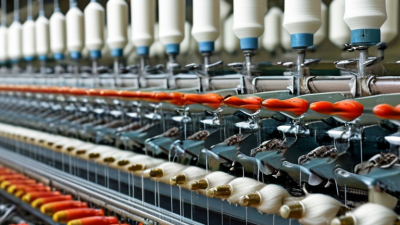
This guide examines the top 10 types, including worsted, woollen, ring, compact, rotor, and automated spinning systems. Each machine handles fibre differently. Picture a mill floor: soft merino slivers enter drafting rollers, while sensors monitor tension and breakage. Small adjustments can change yarn evenness, strength, and hand feel. The International Textile Machinery Federation regularly identifies automation, energy efficiency, and digital monitoring as major investment priorities. Yet wool mills cannot copy cotton settings blindly.
Dr. Peter Ackroyd, a recognized wool-industry specialist and former IWTO executive, has stated, “Wool is a natural, renewable, and biodegradable fibre.” That principle remains commercially important, but it does not solve every production problem. Operators still face humidity changes, fibre variation, maintenance costs, and training gaps. Sometimes, simpler machinery performs better. This is easy to overlook. By comparing machine structure, fibre pathway, output, control systems, and practical limitations, the following overview aims to support more reliable purchasing decisions. The recommendations are useful, but not universal. A final choice should reflect fibre diameter, yarn count, mill scale, labour skills, and actual production trials.
Industrial Wool Spinning: Purpose, Process, and Core Machine Functions
Top 10 Types of Industrial Wool Spinning Machines
Industrial wool spinning converts compressed fleece into stable, usable yarn. IWTO’s 2024 market information places global raw-wool production near 1.1 million tonnes annually. Textile Exchange’s 2024 Materials Market Report shows wool remains below 1% of global fiber output. This scarcity makes fiber recovery and process control important.
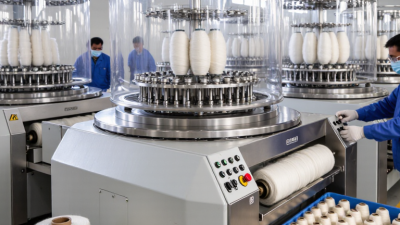
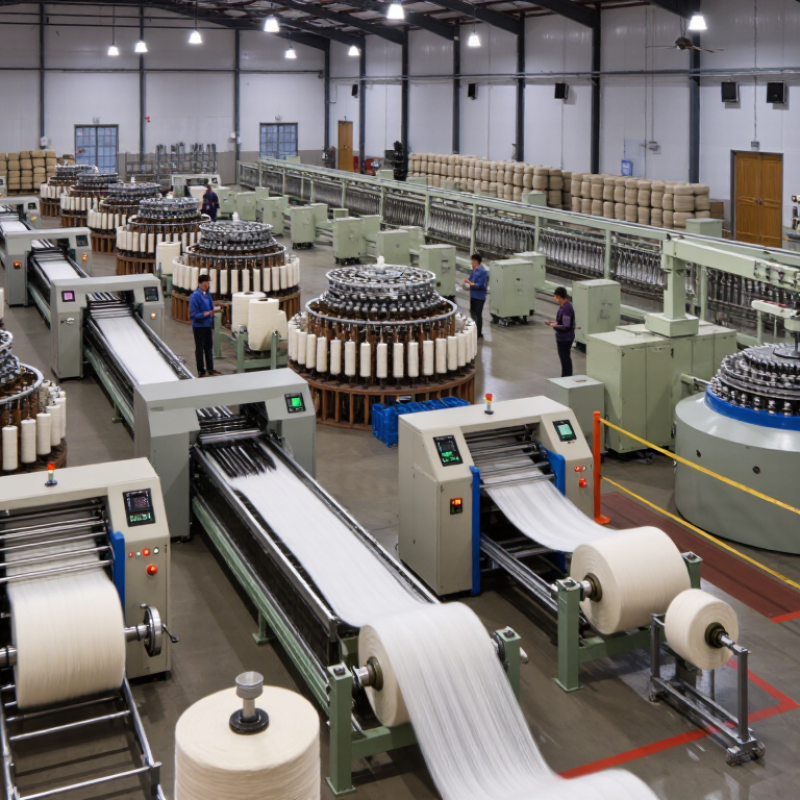
The line usually begins with a bale opener, blending machine, and carding machine. These separate locks, remove large impurities, and form a consistent web. Gill boxes then align fibers during drawing. Combing machines remove short fibers and neps in worsted production. Roving frames reduce the sliver’s bulk. Ring-spinning or compact-spinning machines add twist and tensile strength. Winding machines build even packages. Yarn conditioning and packing equipment control moisture, shape, and handling. Moisture matters.
In practical mills, operators monitor draft ratios, spindle speed, twist, humidity, and yarn faults. A small humidity change can increase static and create uneven drafting. The International Wool Textile Organisation links wool quality with fiber diameter, staple length, strength, and contamination levels. These properties determine machine settings before production begins. Carding is not merely preparation; it influences later yarn regularity. The process is less perfect than many equipment charts suggest. Recycled wool, short fibers, and variable fleece often demand slower speeds and repeated adjustments. Waste remains. A reliable system records each lot, checks tensile strength, and tests evenness before shipment.
Machine Structures, Spinning Methods, and Fiber Applications
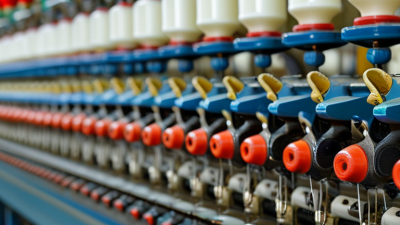
Industrial wool spinning machines differ by structure, drafting control, and spinning method. The ten common types include worsted ring, woolen ring, semi-worsted, compact, open-end rotor, air-jet, self-acting mule, flyer, core-spinning, and fine-gauge pin drafting machines. Worsted systems use combed, aligned fibers and produce smooth yarn for suiting, uniforms, and lightweight knitwear. Woolen systems retain shorter fibers and create loftier yarn for blankets, tweeds, and thermal fabrics. Structure matters: long drafting zones improve alignment, while compacting reduces hairiness and yarn fly.
Rotor machines open fibers rapidly inside a spinning chamber. They suit coarse wool blends and medium-count yarns. Air-jet machines use controlled air currents, but pure wool can challenge their stability. Ring frames remain versatile for fine, strong yarns. Mule frames offer gentle tension control, especially for delicate fibers. Flyer systems handle bulky or lightly twisted yarns used in carpets and textured fabrics. Core-spinning machines combine wool with a supporting filament or elastic core for stretch applications. Textile Exchange’s Materials Market Report 2024 places wool at roughly 1% of global fiber production, so precise fiber utilization is commercially important.
Tips: Match staple length to the drafting zone. Test moisture before production. A dry room can increase breakage. Check twist, evenness, and hairiness together. The best machine is not always the fastest. In practice, operators may overtrust automation, while greasy wool, recycled fibers, and mixed staple lengths still require judgment. IWTO market data also shows wool supply remains limited compared with major cellulosic and synthetic fibers. Small process errors therefore become expensive quickly.
Performance Factors for Selecting a Wool Spinning Machine
Selecting among the top 10 types of industrial wool spinning machines requires more than comparing spindle counts. According to the International Wool Textile Organisation’s 2024 Market Intelligence report, global wool production remains near 1.1 million tonnes annually. This limited raw material makes fiber utilization critical. A worsted spinning system may suit fine, combed wool, while semi-worsted or rotor systems can handle shorter fibers and blended yarns. Check yarn evenness, tensile strength, production speed, and waste percentage during trials.
Energy use also affects long-term performance. The International Energy Agency reports that motors and drive systems can represent a significant share of industrial electricity demand. Therefore, variable-speed drives, efficient suction systems, and automated tension control deserve close attention. Textile Exchange’s Materials Market Report 2024 places wool below 1% of global fiber production, so process stability matters more than chasing maximum volume. A fast machine can still be inefficient.
Tips: Ask suppliers for test results using your actual wool. Measure breaks per 1,000 spindle-hours, kWh per kilogram, and cleaning time. Operators often notice problems before software does. Do not trust one impressive trial. Humidity, fiber length, and operator skill can change results. A higher spindle count is not automatically better. Sometimes, the quieter machine delivers the stronger business case.
Automation, Maintenance, and Future Developments in Wool Spinning
Top 10 Types of Industrial Wool Spinning Machines
Industrial wool production uses several machine types, including openers, blenders, carding machines, gill boxes, drawing frames, combers, roving frames, ring spinners, mule spinners, and rotor spinners. Each machine controls a different stage, from fiber preparation to yarn formation. In daily operation, automation improves feeding accuracy, tension control, and production records. Sensors can detect uneven sliver, abnormal vibration, or rising motor temperature before defects spread. However, automation is not a substitute for skilled technicians. A dusty sensor can create false alarms, and software settings may not suit every wool grade.
Tips: Clean sensors daily. Check belts weekly. Record tension changes. Listen for unusual noise.
Maintenance should combine scheduled inspections with practical observation. Operators should examine drafting rollers, spindle assemblies, suction ducts, and lubrication points during each shift. Fine wool can gather around moving parts like pale lint, quietly increasing friction. Predictive systems may soon adjust drafting speed through real-time fiber analysis. Digital twins could also test settings before production begins, reducing material waste. Still, these tools require reliable data and trained judgment. I have seen accurate machines perform poorly after rushed calibration. Future developments should focus on safer access, lower energy use, recyclable components, and simpler maintenance interfaces. Progress is useful, but not always straightforward.