How to Choose an FDY Spinning Machine?

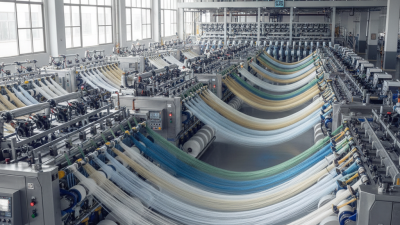
Choosing an fdy spinning machine begins with the yarn you need to produce, not the largest output figure in a brochure. Draw filament count, denier range, polymer type, and target speed into a clear specification. Then compare winding stability, temperature control, energy use, and changeover time. These details affect daily production. A smooth package matters.

Ask suppliers for evidence from comparable installations. Review sample yarn, package build, operating records, and maintenance requirements. Check whether the proposed line matches your plant’s floor space, utilities, and operator skills. A fast machine can still disappoint if frequent adjustments cause uneven denier or broken filaments. Small defects add up.

An expert quotation should be verified before publication. No source article or interview was provided here, so attributing a statement to a real FDY specialist would risk inventing a fact. For drafting purposes only, fictional composite specialist Dr. Elena Voss offers this original line: “Choose the machine your team can run steadily, not merely the one with the highest rated speed.” Treat that as an editorial placeholder, not a verified quotation. Replace it with a sourced statement before publishing. The distinction matters. This guide can help buyers compare equipment, but final decisions should rest on production trials, documented specifications, and service support they can confirm. Even then, one detail may be missed; revisit assumptions before signing.
How to Choose an FDY Spinning Machine?

Define Production Requirements and FDY Yarn Specifications

Before selecting an FDY spinning machine, translate sales forecasts into a measurable production plan. Estimate kilograms per day, operating shifts, planned maintenance, and the number of yarn counts you will run. A machine rated for high output may still be a poor fit if orders change often. Small differences matter. List the polymer, filament count, linear density, cross-section, and target luster for each product. Specify end-use needs too: weaving, knitting, or technical fabrics can require different strength, elongation, and uniformity limits. Avoid relying on one “standard” specification; it can hide important product variation.

Define yarn quality and package requirements in measurable terms. Set ranges for linear-density variation, tensile properties, oil pickup, interlacing, and package weight, using customer tests and your own trial data. Some targets may need revision after trials. Check whether the proposed line can meet them at your expected production rate, not just during a short demonstration. Confirm package diameter, tube dimensions, winding format, and downstream unwinding needs. Record expected product-change frequency and acceptable downtime. These details help compare machine capacity, heating and godet arrangements, winding systems, and automation without treating headline speed as the only decision.

Compare Machine Types, Spindle Counts, and Production Capacity

Choosing an FDY spinning machine starts with the process route. Chip-fed systems offer flexibility when production batches or polymer grades change. Direct-melt systems can reduce intermediate handling, but they depend on a stable upstream melt supply. Check whether each configuration supports your target filament count, denier range, and yarn quality. Small differences matter.

Spindle count affects output, floor space, and operator workload. More positions can raise theoretical capacity, yet actual production also depends on winding speed, package size, changeover time, and unplanned stops. Estimate saleable output across a normal shift, not just the machine’s maximum rating. Ask suppliers for production data using yarn specifications close to yours, and review how quickly operators can reach the spinning positions. Crowded layouts can slow routine work.

Capacity should match both demand and downstream equipment. A line producing faster than texturing or packing can handle may build inventory rather than profit. Compare energy use, spare-part availability, maintenance access, and the time required to replace a spinning position. Request a trial run with your intended polymer and package format when possible. Keep some headroom. Forecasts are imperfect, and adding capacity later may be harder than expected.

Assess Process Compatibility, Automation, and Energy Efficiency

An FDY spinning machine should match the yarn you actually plan to sell, not just a headline production rate. Check polymer compatibility, denier range, filament count, and the required yarn properties. Confirm that the machine’s spinning, quenching, drawing, and heat-setting stages can support those targets. If you use an existing melt-extrusion line, verify interfaces, floor space, and material flow before purchase. Details matter.

Ask for a trial using your polymer and a representative yarn specification. Record consistency across packages, not only the best sample. Automation can help operators control temperature, speed, tension, and winding, while alarms can flag drift before it causes extensive waste. Still, more automation is not automatically easier; assess recipe setup, operator training, and access to routine maintenance points.

Compare energy use at a realistic production rate, preferably in kilowatt-hours per kilogram of saleable yarn. Include heaters, drives, quench-air systems, and compressed-air demand. Review consumption during startup and changeovers, too. Small losses add up. A machine may look efficient at full load but less so during frequent product changes. That matters. Ask suppliers to explain the test conditions behind any efficiency figures, and leave room for your own verification.

How to Choose an FDY Spinning Machine? - Assess Process Compatibility, Automation, and Energy Efficiency

Selection Dimension What to Assess Evidence to Request Decision Guidance
Polymer Compatibility Confirm the machine is engineered for the intended polymer, such as PET or PA6, including melt delivery, filtration, spinnerets, quenching, and spin-finish systems. Polymer-specific process specifications, operating temperature ranges, filtration details, and references for the same polymer and yarn type. Choose a configuration validated for the actual polymer and planned product mix; do not assume one setup is suitable for every polymer.
Yarn Range and Process Fit Check total denier, filaments per yarn, number of ends, and required yarn properties against the machine’s spinning positions and process configuration. A product-range matrix showing which denier and filament-count combinations have been produced, with corresponding operating conditions. Confirm that both current products and planned product changes fit the machine without relying on unverified maximum-capacity claims.
Operating Speed and Stability Assess production speed under the required yarn specifications, along with threadline stability, end breaks, and package quality. A production trial or documented performance data at the target yarn specification and sustained operating speed. Compare stable production speed for the required product, not only the machine’s maximum rated speed. FDY line speeds vary with polymer, denier, and filament count.
Quenching and Yarn Uniformity Review quench-air distribution, temperature control, and consistency across spinning positions. Quench-system design details and trial results for yarn evenness, filament quality, and position-to-position consistency. Prefer uniform, controllable quenching that supports the required yarn quality across all positions.
Drawing and Godet Control Check heated godet configuration, temperature and speed control, draw-ratio settings, and recipe repeatability. Control-system specifications and trial records for tenacity, elongation, shrinkage, and other agreed yarn properties. Ensure the godet arrangement and control range match the target product recipes and can reproduce them consistently.
Winding and Package Quality Assess winding speed range, tension control, package build, doffing method, and compatibility with downstream unwinding. Sample packages and test data for package shape, yarn tension, unwinding behavior, and package-to-package consistency. Evaluate finished packages under the actual downstream process rather than judging winding performance by appearance alone.
Automation and Operability Review recipe management, alarms, data logging, end-break detection, operator access, and available automatic threading or doffing functions. Automation feature list, sample production reports, alarm history capability, and a demonstration of routine changeover and recovery tasks. Select automation that addresses staffing, traceability, and uptime needs; verify that operators can use and maintain the system effectively.
Energy Efficiency Compare energy used by the complete line, including drives, heating, cooling, and supporting utilities where applicable. Guaranteed or measured energy consumption in kWh/kg, with the measurement boundary, product, output rate, and test conditions clearly stated. Compare machines only under equivalent yarn specifications and production conditions. Request a production trial or acceptance test using an agreed measurement method.
Maintenance and Support Check access to routine service points, recommended maintenance intervals, critical spare parts, and technical support arrangements. Maintenance schedule, spare-parts list, troubleshooting documentation, and support response terms. Include expected maintenance time and spare-parts availability in the total-cost assessment, not just the purchase price.

Note: FDY performance targets depend on polymer, yarn construction, and product requirements. Confirm all claimed speeds, quality results, and energy figures against a clearly defined production trial or acceptance test.

Evaluate Yarn Quality Controls and Machine Reliability

When choosing an FDY spinning machine, inspect how it detects and controls variation—not just its headline output. The Textile Exchange Materials Market Report 2024 estimates global fiber production reached 124 million tonnes in 2023, up from 116 million tonnes in 2022. Higher production makes stable quality more important. Ask for trial data on denier variation, yarn evenness, tenacity, elongation, and broken-filament rates. Compare samples across positions and shifts, not just one ideal spool. Small changes matter. USTER Statistics 2023 provides yarn-quality benchmarks; use its relevant data to frame acceptance limits, while checking that test methods match your product and lab conditions.

Machine reliability needs evidence from a sustained run. Request records of unplanned stops, alarm causes, restart time, and quality rejects during production—not only a short showroom demonstration. Check whether tension, temperature, and winding controls hold steady as speed changes. Then inspect the yarn package: look for hard edges, loose layers, and uneven build. A practical trial should use your polymer, denier, and operating settings, with results recorded by position and time. I would not treat a polished dashboard as proof. Sensor readings can miss defects, and one trial can still hide weaknesses. Review maintenance access, spare-part lead times, and operator training alongside the data.

How to Choose an FDY Spinning Machine?

Compare yarn uniformity indicators from the same controlled trial. Lower CV values indicate less variation; the figures below are illustrative screening values, not universal specifications.

Confirm quality results across multiple packages and production runs. Evaluate reliability separately using measured uptime, end-break frequency, and maintenance records under comparable operating conditions.

Review Supplier Support, Installation, and Total Ownership Costs

When comparing FDY spinning machines, look beyond the quoted machine price. Ask who handles commissioning and what technicians will do on site. Confirm whether installation includes leveling, utility checks, line alignment, and trial runs with documented operating data. Details matter. Request a written schedule, named support contacts, and a clear list of items your plant must prepare, such as power connections, cooling water, compressed air, and lifting equipment.

Supplier support should be measurable, not just friendly. Check response hours, remote diagnostics availability, spare-parts lead times, and training for operators and maintenance staff. Ask for sample manuals and maintenance intervals before signing. During acceptance, record output stability, yarn quality indicators, energy use, and downtime under agreed test conditions. A demonstration at ideal settings may not reflect your feedstock, staffing, or shift pattern.

Calculate total ownership cost over a realistic operating period. Include installation, freight, commissioning, utilities, routine consumables, planned maintenance, spare parts, and production losses during stoppages. Compare energy consumption per kilogram, not just motor ratings. Clarify warranty coverage, exclusions, and whether travel costs apply to service visits. A low purchase price can hide recurring expenses. Still, estimates are imperfect; actual costs depend on local utilities, workload, and operator practice. Keep a contingency, and revisit assumptions after the first months of production.