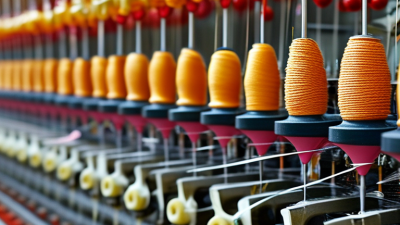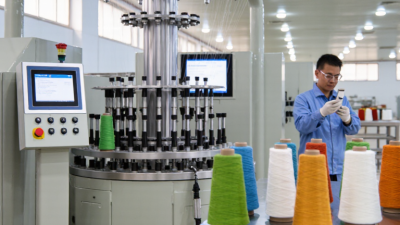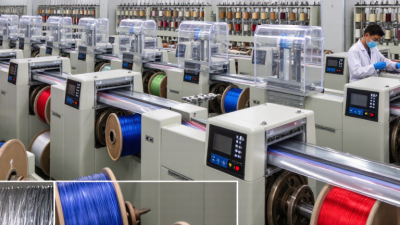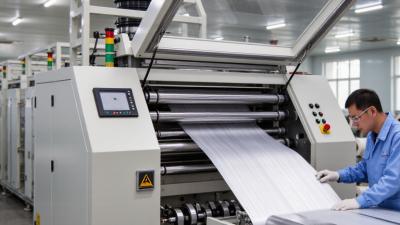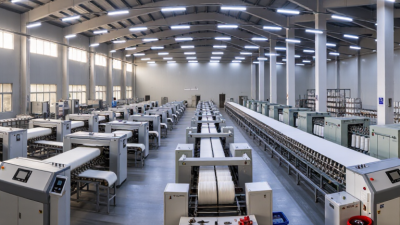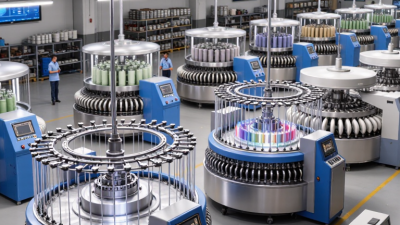
China’s fancy-yarn machinery market serves textile mills seeking distinctive effects, steady output, and practical production control. A fancy yarn may combine loops, slubs, curls, or contrasting fibers. Making those effects consistently depends on machine design, yarn handling, and careful adjustment—not just a long feature list.
Manufacturing-quality expert W. Edwards Deming is widely associated with the words, “Quality is everyone’s responsibility.” His principle is relevant here: reliable yarn depends on equipment, setup, operator skill, and process checks working together. This guide compares ten Chinese manufacturers of fancy yarn making machine equipment, with attention to product range, technical support, customization, and the kinds of production needs each maker may suit. Buyers should verify specifications directly, including spindle or production capacity, compatible materials, sample results, and after-sales service.
A catalog is only part of the picture. No catalog tells the whole story. A machine that handles a soft wool blend may behave differently with a slick synthetic filament; a small tension change can alter the look of a looped yarn. Rankings also involve judgment, and available information may not capture every factory’s current capability. Use the list as a starting point, then request demonstrations and sample yarn before making a decision. The right choice is not always the most complex machine. It is the one that can repeat the effect your customers actually want.
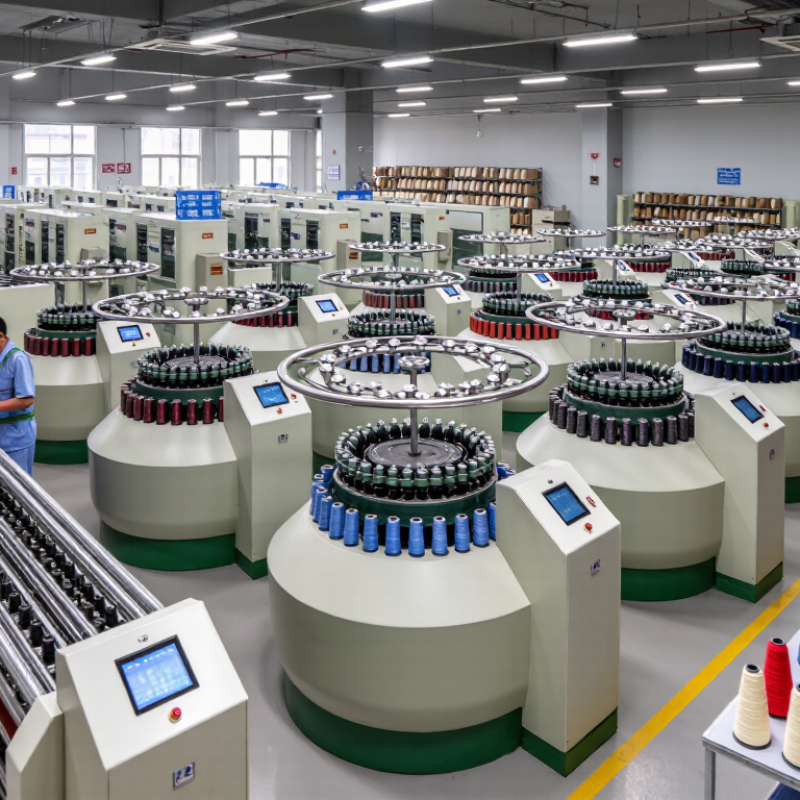
A fancy yarn making machine is designed to create yarns with distinctive surface effects, rather than a smooth, uniform appearance. Depending on its configuration, it may combine core, effect, and binder yarns through controlled feeding, twisting, looping, or wrapping. The result can include slubs, curls, loops, knots, or contrasting colors. Not every machine produces every effect.
The machine’s main systems typically include yarn feeders, tension controls, twisting or forming units, and take-up equipment. Operators adjust feed rates and tension to influence the size and spacing of decorative features. Small changes matter. A slight tension difference can make loops uneven or cause a slub to appear too often. Production speed, yarn type, and material strength also affect the finished structure.
In practical use, operators often inspect a short sample before running a larger batch. They check whether the effect repeats consistently and whether the yarn can withstand winding or later processing. A sample can look attractive on a spool but behave differently in weaving or knitting. This is easy to overlook. Fancy yarn machines offer creative flexibility, but settings usually need careful testing for each yarn combination. Even experienced operators may need several adjustments to achieve a stable result.
Fancy yarn machines turn simple fibers into yarns with texture, color, or unusual bulk. Their effects come from controlled differences in feed, twist, and tension. A ring or hollow spindle may hold a core yarn while another strand wraps around it. The operator adjusts delivery speeds to create loops, slubs, curls, or soft spirals. Small changes matter. If tension drifts, the pattern can flatten or become too loose. Test runs help establish a stable recipe before full production.
A boucle style, for example, may pair a steady core with an overfed effect yarn. The surplus fiber forms loops as the strands twist together, and a binder yarn can help secure them. Air-jet and mechanical systems create effects differently, so settings are not interchangeable. Operators check samples under consistent light and measure thickness, twist, and loop regularity. Useful records include feed ratios, spindle speed, and material lot. It happens. A yarn may look attractive on a cone but snag during knitting. That is where machine choice meets process experience, and the answer can be less tidy than a catalog suggests.
A fancy-yarn machine should handle the yarn structures your buyers actually order, not just demonstrate impressive speed. Compare supported yarn counts, twist ranges, feed control, and changeover time. Request sample cones made with your fibers, including slub, boucle, or chenille constructions where relevant. Inspect the yarn under consistent lighting. Uneven thick-and-thin effects can be intentional; inconsistent tension is not. Ask for a documented production trial, with agreed measures such as yarn defects, stoppages, and output per shift. Ask for proof.
ITMF’s International Textile Machinery Shipment Statistics 2023 reported that global shipments of new short-staple spindles fell 25% to 7.61 million. This is broad spinning-equipment data, not a count of fancy-yarn machines. That distinction matters. Treat market figures as context, not proof of a supplier’s capability. Check whether the manufacturer can share machine-specific test results, operating instructions, and a realistic spare-parts list. Discuss support response times before purchase, too. A polished brochure cannot show how quickly a worn feed roller can be replaced. I would also compare energy use per kilogram during a witnessed trial. That figure can vary with yarn construction, so the test conditions must be recorded. Some comparisons will still be imperfect. Record the gaps, rather than filling them with assumptions.
Profiles of China’s Top 10 Fancy Yarn Making Machine Manufacturers should compare capabilities, not rely on an unsupported ranking. Useful profiles identify each maker’s core equipment, such as chenille machines, fancy twisters, or systems for producing slub and loop effects. They should also explain which yarn constructions each machine supports. Details matter. A buyer should check spindle configuration, tension control, changeover time, and access to spare parts.
Textile Exchange’s Materials Market Report 2024 estimates that global fiber production reached 124 million tonnes in 2023, with production potentially reaching 160 million tonnes by 2030. This is fiber-market context, not a forecast for fancy-yarn machinery sales. Still, it signals why flexible equipment deserves attention: mills may need to process varied fibers and yarn counts. Ask manufacturers for trial samples using the intended fiber blend. A neat demonstration on one material may not predict stable production on another.
A credible ten-maker profile should document factory experience, quality checks, operator training, and after-sales response. Request test records for yarn evenness, breakage, and output under stated conditions. Compare those figures only when the test settings match. Some supplier information can be difficult to verify, and published machine speeds may omit setup or stoppage time. That gap deserves scrutiny. Independent references and a witnessed production trial offer stronger evidence than a polished brochure.
Fancy yarn machinery serves apparel, upholstery, home textiles, and automotive interiors. Ring, rotor, and air-jet systems can combine contrasting fibers, colors, and thicknesses to create slubs, loops, or textured effects. These details matter: a raised boucle surface can add depth to a coat, while a tightly controlled slub yarn gives woven upholstery a subtle, irregular grain.
Demand for adaptable equipment reflects broader material shifts. Textile Exchange’s Materials Market Report 2024 estimates that global fiber production reached 124 million tonnes in 2023, with polyester representing 57% of the total. For machine builders and mills, this scale makes reliable processing across fiber types increasingly important. Digital tension control, programmable feed rates, and quick-change components can help operators repeat complex yarn structures and reduce setup time. Small batches, too.
Machine vision and sensor-based monitoring are gaining attention because yarn defects can emerge from tiny changes in feed tension or spindle speed. Early detection may limit waste, though sensors cannot replace skilled operators or careful trials. Energy-efficient drives and clearer production data also support better process decisions. Still, digital upgrades can be costly, and older equipment may not integrate smoothly. That limitation deserves more attention.
Overview of ten common fancy-yarn machinery and process categories. This is a technology and application guide, not a ranked list of manufacturers.
| No. | Machine or Process Category | Typical Yarn Effect | Key Applications | Relevant Technology Trends |
|---|---|---|---|---|
| 1 | Fancy ring twisting machine | Twisted yarns with controlled thickness variation, loops, or other surface effects, depending on the feeding and twisting setup. | Fashion fabrics, upholstery, decorative knitting, and home textiles. | Electronic drafting and feed control can improve repeatability of effect sequences and reduce setup adjustments. |
| 2 | Hollow-spindle fancy twister | A core yarn wrapped by an effect or binder yarn; the wrapping can create bulky, textured, or colored surfaces. | Decorative yarns for knitting, weaving, trims, and selected furnishing fabrics. | Improved spindle monitoring and adjustable wrap tension help maintain consistent coverage and reduce yarn breaks. |
| 3 | Chenille yarn machine | A pile-like yarn made by securing short lengths of pile fiber between core or binder yarns. | Upholstery, curtains, blankets, rugs, and soft furnishing textiles. | More stable cutting, pile formation, and yarn-break detection support even pile appearance and dependable running. |
| 4 | Loop and bouclé yarn machine | Yarn with deliberate loops or curls formed by controlling the relative delivery and tension of component strands. | Knitwear, woven apparel fabrics, upholstery, and decorative accessories. | Programmable feed ratios and digital recipe storage make it easier to reproduce loop size and spacing. |
| 5 | Slub yarn spinning system | Intermittent thick places along the yarn, produced by varying fiber delivery or drafting during spinning. | Denim, casual apparel, knitted fabrics, and textiles with a deliberately irregular surface. | Electronic slub programming allows adjustable effect length, thickness, and spacing, subject to the spinning system and fiber choice. |
| 6 | Core-spun yarn system | A filament or staple core covered by staple fibers, combining properties of the core and sheath materials. | Stretch apparel, sewing threads, workwear, and fabrics requiring a functional core with a textile-fiber surface. | More precise core positioning and synchronized delivery help improve sheath coverage and yarn consistency. |
| 7 | Covering and double-covering machine | One or more filament yarns wound around a core; double covering applies two wraps, typically in opposite directions. | Elastic yarns, hosiery, narrow fabrics, sportswear, and sewing applications. | Accurate tension control and monitoring of wrap speed help maintain uniform coverage and elastic performance. |
| 8 | Fancy cabling and twisting machine | Two or more yarn components combined by twisting or cabling to create a balanced, multi-ply, or textured structure. | Carpets, furnishing fabrics, cords, decorative yarns, and products needing stronger multi-ply yarns. | Automated package handling and twist-setting controls can improve consistency across production lots. |
| 9 | Air-jet texturing machine | Continuous-filament yarn with interlaced loops that provide bulk and a spun-like handle; the effect depends on process settings and filament type. | Apparel, sportswear, furnishings, and technical fabrics made from textured filament yarns. | Compressed-air efficiency, process monitoring, and more consistent pressure control are important development priorities. |
| 10 | Fancy yarn winding and package preparation system | Does not usually create the primary yarn effect; it prepares packages with suitable winding build and tension for downstream processing. | Preparation of delicate, bulky, elastic, or irregular yarns for knitting, weaving, dyeing, or storage. | Electronic tension regulation, package monitoring, and traceable process data help reduce unwinding problems and improve quality control. |
Note: The resulting yarn structure and performance depend on the fiber materials, machine configuration, process settings, and downstream finishing.