7 Best Cotton Yarn Manufacturing Machines for Global Buyers

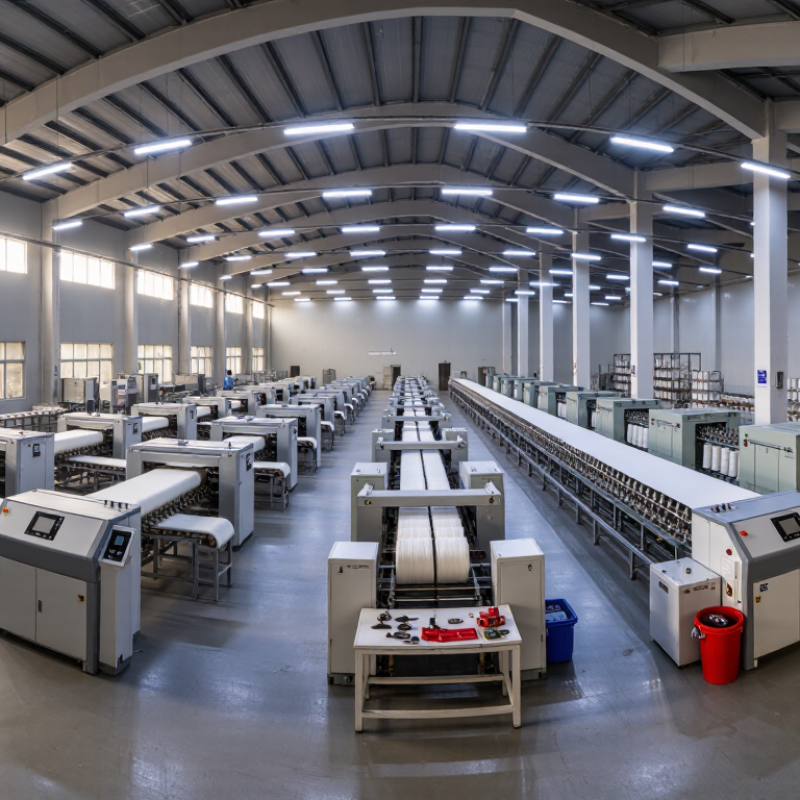
Choosing a cotton yarn manufacturing machine is rarely a simple catalog decision. Global buyers must match equipment with fiber quality, yarn count, production volume, labor skills, and local power conditions. A compact spinning line may suit a regional mill, while an automated system may better serve high-output operations. The lowest quoted price can hide installation, training, spare-part, and energy costs.

This guide examines seven machines and the practical reasons buyers consider them. It focuses on carding, drawing, roving, spinning, winding, and integrated production equipment. Each option should be judged by output stability, control systems, maintenance access, safety features, and supplier support. Sample testing matters. Cotton can vary widely in length, moisture, cleanliness, and strength.

Details matter.

In real purchasing projects, specifications do not always predict daily performance. A machine may achieve an impressive rated speed under ideal conditions, yet deliver less consistent yarn in a humid workshop. That gap deserves attention. Buyers should request verified production data, reference installations, warranty terms, and clear delivery responsibilities. Independent technical advice can also reduce costly mistakes, although no checklist replaces a mill trial.

This overview supports careful comparison, not one universal answer. The best cotton yarn manufacturing machine depends on material, budget, workforce, and long-term production plans. Some recommendations may need rethinking after testing. That is normal. Reliable decisions come from measurable evidence, realistic operating assumptions, and suppliers willing to explain limitations as clearly as advantages.
7 Best Cotton Yarn Manufacturing Machines for Global Buyers

Cotton Yarn Manufacturing Stages and Core Machine Functions

Cotton yarn production begins with bale opening and blending. Bale openers loosen compressed cotton, while mixers combine fibers from different lots. This reduces visible variation, though it cannot erase every difference in staple length or color. USDA’s Cotton: World Markets and Trade report estimated global cotton production at about 25.5 million metric tons for 2024/25. That scale makes consistent preparation important for mills handling cotton from multiple sources. Even a small blend change can affect yarn strength and shade.

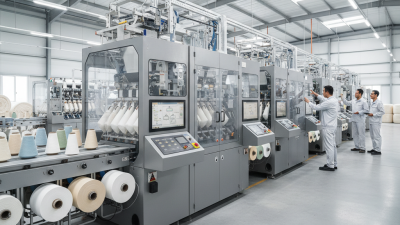
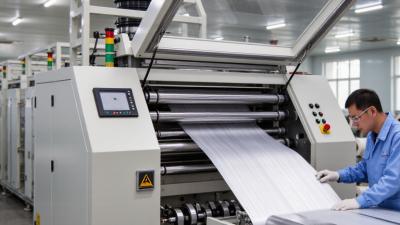
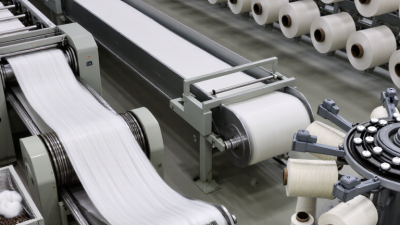
Carding is the next key stage. High-speed rollers separate fibers, remove much of the trash, and form a soft sliver. Drawing frames then combine and draft several slivers to improve evenness. Combing may be added when finer, smoother yarn is required; it removes short fibers, but also creates waste. At the spinning stage, ring frames or rotor machines twist drafted fibers into yarn. Winding machines then transfer yarn onto packages and can detect some defects. Each machine has a distinct job. Still, machine settings and maintenance matter as much as the equipment list. A clean card is helpful, but not a cure-all. A practical line review should track sliver variation, yarn count, breakage, and package quality across shifts.
Seven Leading Cotton Yarn Machines by Production Role

Cotton yarn production depends on seven machines, each serving a distinct production role. A bale opener separates compressed cotton and feeds it steadily. Small errors begin here. Uneven feeding can affect every later stage.

The blowroom cleaner removes dust, leaf fragments, and heavier particles while blending fibers. The carding machine then opens, aligns, and forms cotton into a consistent sliver. A draw frame combines several slivers and reduces weight variation. Buyers should inspect sensor accuracy, cleaning access, and spare-part availability. These details often matter more than impressive output figures.

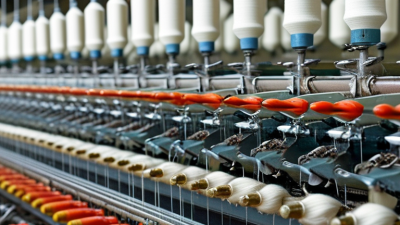
The roving frame adds controlled twist before spinning. The ring spinning machine turns roving into yarn with the required count and strength. Finally, the winding machine transfers yarn onto packages and detects faults. In practical mill evaluations, energy use, operator training, and maintenance intervals deserve careful attention. A fast spindle is not automatically a profitable choice. Humidity also changes fiber behavior, especially in dry production rooms. I would request trial data using similar cotton, because laboratory claims can miss real production instability. Some buyers overlook floor space and noise. That mistake becomes expensive after installation.

Key Performance Factors for Comparing Cotton Yarn Machinery

When comparing the seven best cotton yarn manufacturing machines, buyers should examine performance beyond advertised spindle speed. A fast machine is not automatically a productive machine. Stable output matters more.

Production capacity should match the mill’s order profile and available floor space. Check the supported yarn count range, spindle speed, drafting accuracy, and permissible raw cotton variation. In practical evaluations, yarn evenness and strength are stronger indicators than speed alone. Monitor CV%, hairiness, twist consistency, and end-break frequency during a continuous trial. Small differences become expensive across thousands of spindles. Energy consumption per kilogram also deserves close attention, especially when machines run around the clock. Keep measurements comparable. Different testing methods can distort the results.

Automation can reduce manual intervention, but it should remain practical for local operators. Look for automatic doffing, real-time alerts, accessible control panels, and clear fault records. Maintenance access is often overlooked. Technicians need safe paths to bearings, sensors, suction ducts, and drafting components. Spare-part availability and training support affect long-term reliability as much as mechanical design. Quiet operation helps, too. A noisy machine may hide early bearing or alignment problems. One imperfect assumption is worth challenging: maximum automation does not always deliver the lowest total cost. A simpler system may perform better where technical support is limited. Request a factory trial, inspect yarn samples under consistent humidity, and compare actual downtime rather than brochure figures.

7 Best Cotton Yarn Manufacturing Machines for Global Buyers

Key Performance Factors for Comparing Cotton Yarn Machinery

The scores are an illustrative 1–10 buyer-planning guide, not measured machine specifications or a ranking of manufacturers. Actual suitability depends on fiber, yarn count, production targets, automation, energy use, and service support.

Automation, Energy Use, and Quality Control in Yarn Production

7 Best Cotton Yarn Manufacturing Machines for Global Buyers

Automation, energy use, and quality control should guide every cotton yarn machine purchase. The seven key stages include blowroom, carding, draw frame, comber, ring spinning, compact spinning, and rotor spinning machines. Each stage affects fiber alignment, yarn strength, and waste levels. Textile Exchange’s 2024 Materials Market Report recorded global fiber production at about 124 million tonnes in 2023. Cotton remained a major natural fiber, so efficiency gains still matter across large mills. The International Energy Agency reports that motor-driven systems consume roughly half of global electricity. Efficient drives, correctly sized motors, and automatic standby modes can reduce unnecessary consumption. Small settings matter.

Quality control now begins inside the machine. Modern systems monitor sliver weight, spindle speed, yarn tension, and break rates. Inline sensors can identify thick places before entire lots fail inspection. However, automation is not magic. A clean dashboard may hide poorly calibrated sensors or unstable cotton blending. Human checks remain essential. Operators should compare machine data with laboratory results, including unevenness, tenacity, elongation, and hairiness. ISO 50001-based energy reviews can also reveal idle running and compressed-air losses. These details often decide the real cost per kilogram.

Tips: Compare energy use per kilogram, not only motor power. Request trial data using your cotton grade. Check sensor calibration records. Leave access for maintenance. A cheaper machine can become expensive when downtime, waste, and training are ignored. The best choice is rarely the fastest one.

Global Buying Considerations for Cotton Yarn Manufacturing Machines

Global buyers should compare cotton yarn manufacturing machines by the yarn they need to produce, not by headline speed alone. Check the supported fiber length, count range, and expected output, then ask for trial data using cotton similar to your supply. A machine that performs well with clean, uniform fiber may struggle with short staple or variable moisture. Small differences show up fast.

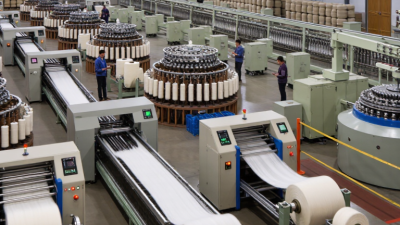
Look closely at power requirements, floor space, and the full production line. Carding, drawing, spinning, and winding equipment must work together; mismatched capacities can leave one section waiting while another runs overtime. Ask about routine maintenance intervals and the availability of replacement parts in your region. A clear parts list matters. So does a technician who can explain setup in plain language.

Request measurable acceptance criteria before purchase, such as output rate, yarn evenness, and waste level under agreed test conditions. Confirm operator training, installation support, and documentation in a language your team can use. Shipping and commissioning can affect the schedule more than expected. And budgets often miss this. Leave room for trial runs, adjustments, and the occasional frustrating delay.

7 Best Cotton Yarn Manufacturing Machines for Global Buyers — Global Buying Considerations
Machine Type Stage in the Process Main Function Key Buying Considerations Questions for Suppliers
Bale Opener and Mixing Line Fiber preparation Opens cotton bales into small tufts and blends fiber from multiple bales to support a more consistent feed to downstream equipment. Confirm compatibility with the intended cotton bale dimensions, line layout, dust extraction system, and required production flow. Assess cleaning access and provisions for fire and dust safety. What bale sizes and feed rates can the line handle? What dust-control and fire-safety provisions are included?
Cotton Carding Machine Fiber preparation Further opens and separates fibers, removes a portion of impurities and short fibers, and forms a continuous card sliver for the next process. Compare carding width, delivery configuration, sliver handling, energy use, maintenance access, and compatibility with the planned fiber mix and output level. What sliver count and delivery rate are achievable with the specified cotton? Which wear parts and settings require regular inspection?
Draw Frame Sliver preparation Combines and drafts several slivers to improve evenness and alignment before further processing. Automatic leveling may correct certain variations in sliver mass. Check the number of feeds, drafting arrangement, leveling system, can size, control options, and whether the machine can be integrated with existing carding or combing equipment. Is autolevelling included? What sliver input range, can dimensions, and maintenance requirements apply?
Cotton Combing Machine Optional fine-yarn preparation Removes additional short fibers and impurities from prepared cotton lap, producing combed sliver for applications where improved yarn cleanliness and evenness are required. Combing is an additional process and creates noil, so evaluate the intended yarn quality, fiber cost, noil handling, lap preparation needs, and operating economics. What fiber-length profile and lap preparation are required? What noil percentage is expected for the proposed cotton and settings?
Speed Frame (Roving Frame) Intermediate preparation for ring spinning Drafts sliver into finer roving and inserts a small amount of twist so the material can be fed to a ring spinning frame. Check compatibility with ring-frame feed requirements, bobbin dimensions, spindle configuration, doffing method, floor space, and operator access. Some spinning systems do not use a conventional speed frame. Which bobbin and roving specifications are supported? Can the machine be matched to the planned ring-frame layout and production rate?
Ring Spinning Frame Yarn formation Drafts roving into yarn and inserts twist using the ring-and-traveller system. It is commonly used to produce cotton yarn across a range of counts. Compare spindle count and speed, ring and traveller specifications, end-break monitoring, automation options, energy consumption, and the yarn counts required by the mill. What yarn-count range and spindle configuration suit the target product? Which ring, traveller, and spindle parts are locally available?
Winding Machine Yarn finishing and packaging Transfers yarn from spinning packages to larger, more suitable packages. Depending on configuration, electronic yarn clearers can detect and remove specified yarn faults. Confirm package type and dimensions, winding positions, yarn-clearer functions, splice quality, automation level, and compatibility with downstream dyeing or weaving processes. Which package formats and yarn types are supported? What yarn faults can the clearer detect, and how are settings verified?