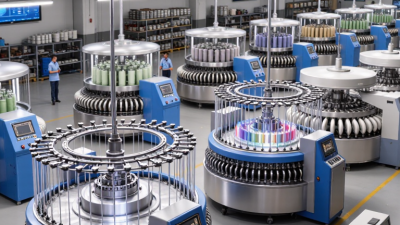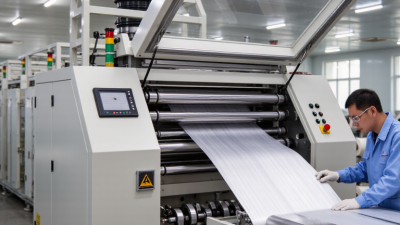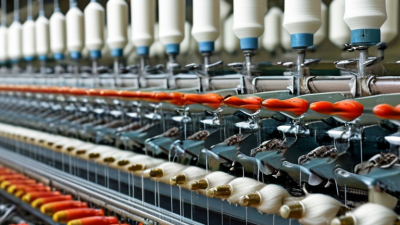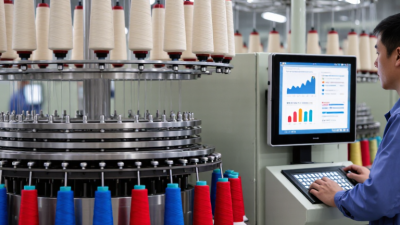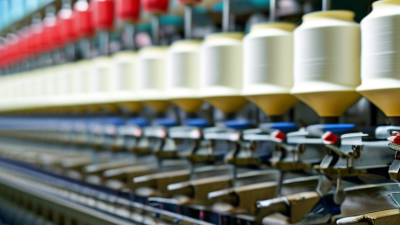
A cotton yarn making machine is not always one machine. It is usually a connected production system that transforms loose cotton fibers into consistent, usable yarn. The process may include opening, cleaning, carding, drawing, roving, spinning, and winding. Each stage affects the final result.
The machine begins with compressed cotton bales. Sharp opening rollers loosen the fibers, while cleaning units remove dust and foreign particles. Carding then separates and aligns the fibers into a soft web. Drawing improves fiber arrangement and reduces unevenness. In the spinning section, controlled twist gives the strand strength. Finally, winding places the yarn onto packages suitable for weaving or knitting.
Textile engineering professor Dr. Subhash K. Batra has emphasized, “Yarn quality begins with fiber quality.” This principle remains practical. A sophisticated cotton yarn making machine cannot fully correct poor cotton, excessive moisture, or careless preparation. The operator still matters.
Speed attracts attention. Consistency matters more.
A reliable system should be judged by yarn evenness, strength, twist control, waste levels, and energy use. Operators also inspect rollers, belts, sensors, and drafting components. Small defects can become repeated faults across thousands of packages. That reality is easy to underestimate.
Modern equipment may include automated monitoring and digital quality controls. However, automation does not remove every risk. Incorrect settings, worn components, and unsuitable cotton can still reduce performance. The best choice depends on production volume, yarn count, fiber characteristics, maintenance skills, and available floor space. In practice, no machine is perfect. A thoughtful evaluation asks what the equipment can consistently produce, not merely what its brochure promises.
What Is a Cotton Yarn Making Machine?
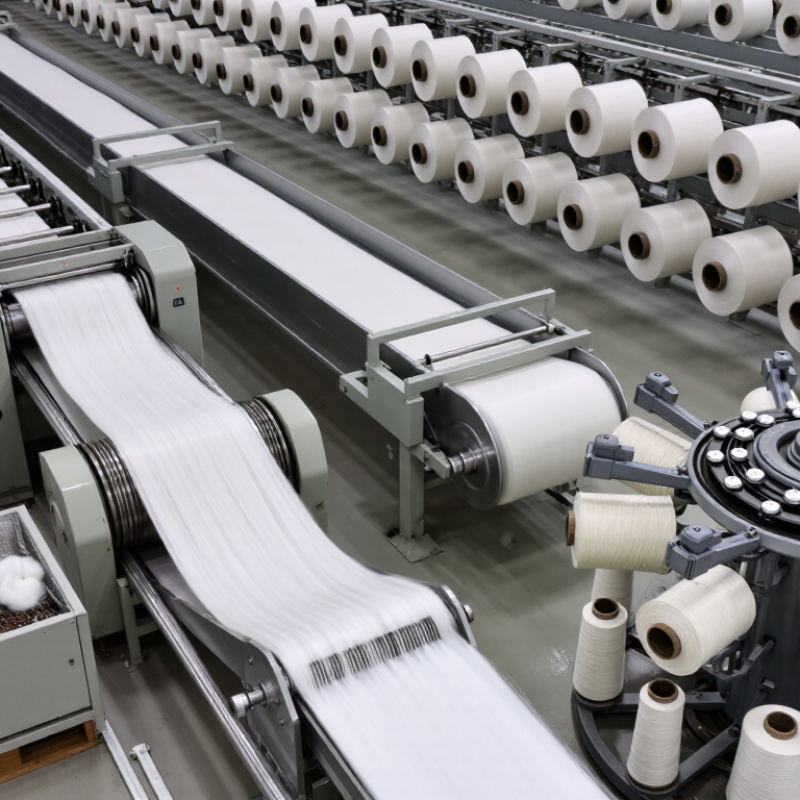
A cotton yarn making machine is equipment that converts cotton fibers into continuous yarn. In practice, it describes a complete spinning system, not always one machine. The process usually includes opening, cleaning, carding, drawing, roving, and spinning. Each stage improves fiber alignment, removes impurities, or controls yarn thickness. The final twisting stage gives yarn enough strength for weaving or knitting.
Its purpose is practical and measurable. A well-adjusted system produces yarn with consistent count, strength, twist, and low hairiness. These qualities affect fabric softness, durability, dye absorption, and breakage during production. The USDA report Cotton: World Markets and Trade, April 2025, estimated global cotton production at about 116 million 480-pound bales for 2024/25. This large supply still requires careful processing. More cotton does not automatically mean better yarn. The label is imperfect. “Cotton yarn making machine” may hide several connected machines with different technical roles.
Tips: Check fiber length, moisture, and contamination before selecting equipment. Match the spinning method to the intended yarn count. Monitor waste at every stage, rather than only inspecting the final yarn. Textile Exchange’s Materials Market Report 2024 recorded global fiber production at approximately 124 million tonnes in 2023. That figure highlights the scale of textile manufacturing, but efficiency should not replace quality control. In real factories, small setting errors can create visible thick places, weak sections, and unnecessary waste. Human judgment still matters.
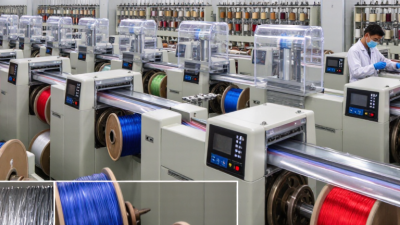
A cotton yarn making machine converts prepared cotton fibers into continuous yarn through drafting, twisting, and winding. The chart shows the relationship between English cotton yarn count (Ne) and linear density. A higher Ne count represents finer yarn.
Calculation: Linear density in tex = 590.5 ÷ cotton count (Ne). Lower tex values indicate finer cotton yarn.
What Is a Cotton Yarn Making Machine?
Main Components and Their Functions
A cotton yarn making machine is usually a connected production system, not one single unit. It turns compressed cotton fibers into a continuous, usable yarn. The opening unit loosens fiber bales and removes large impurities. The carding machine then separates fibers and forms a soft web. This stage strongly affects cleanliness and fiber alignment.
The draw frame combines several slivers and improves their evenness. Small variations can still remain. The roving frame adds slight twist and reduces the sliver’s thickness. In the spinning frame, drafting rollers control fiber movement, while spindles insert the final twist. This creates yarn with the required strength and count. A winding unit transfers yarn onto packages and removes weak places or thick sections. Sensors and control systems monitor speed, tension, breaks, and production data.
Tips: Keep fiber moisture stable. Inspect card clothing and drafting rollers regularly. A clean machine often produces more reliable yarn. Do not depend only on automatic alarms; operators should check sliver shape, yarn hairiness, and unusual vibration. Settings may look correct but still produce uneven results. That is where careful review matters. Machine performance depends on cotton quality, humidity, maintenance, and drafting settings, so one standard setting cannot suit every batch.
| Main Component | Processing Stage | Primary Function | Typical Operating Data or Output | Contribution to Yarn Quality |
|---|---|---|---|---|
| Bale Opening Unit | Opening | Separates compressed cotton bales into small tufts and distributes the fiber evenly for further processing. | Processes natural cotton fibers; opening intensity is adjusted according to fiber length, trash level, and fiber strength. | Gentle opening Reduces fiber damage and supports uniform blending. |
| Blending Chamber | Blending | Mixes cotton from different bales or preparation lots to reduce variation in color, fineness, strength, and maturity. | Uses controlled air movement and layered feeding to create a more consistent fiber blend. | High impact Improves shade consistency and evenness throughout the yarn lot. |
| Pre-Cleaning Unit | Cleaning | Removes larger impurities such as leaf particles, seed fragments, dust, and other foreign matter before carding. | Cleaning efficiency depends on beater speed, grid-bar setting, fiber characteristics, and machine load. | Balanced cleaning Removes trash while limiting fiber loss and neps formation. |
| Carding Machine | Carding | Individualizes fibers, removes remaining impurities and neps, straightens fibers, and forms a continuous sliver. | The card produces a uniform sliver; cylinder and flat settings are selected according to cotton properties and yarn count. | Key component Often regarded as the main quality-forming machine in short-staple spinning. |
| Draw Frame | Drawing | Combines several slivers and drafts them to improve linear density, fiber alignment, and mass uniformity. | Commonly uses multiple slivers in one passage; autolevelling may correct short-term or medium-term weight variation. | Uniformity control Reduces sliver irregularity and improves fiber parallelization. |
| Combing Machine | Combing | Removes short fibers, neps, and fine impurities while improving fiber straightness and parallel arrangement. | Used mainly for combed yarn; the noil percentage is selected according to the required yarn quality and fiber characteristics. | Premium preparation Produces cleaner, smoother, and stronger yarn with lower hairiness. |
| Roving Frame | Roving Formation | Drafts the drawn sliver and inserts a small amount of twist to create a stable, transportable roving package. | Roving twist must be sufficient for handling but low enough to allow effective drafting in the spinning frame. | Feed stability Helps maintain controlled fiber tension during final spinning. |
| Drafting System | Final Spinning | Reduces the thickness of the roving or sliver to the required yarn size and controls the movement of individual fibers. | Drafting performance is influenced by roller spacing, total draft, fiber length, apron condition, and roller pressure. | Precision critical Directly affects yarn count, evenness, strength, and imperfections. |
| Spindle or Rotor Assembly | Twist Insertion | Combines drafted fibers into a coherent yarn by inserting twist through spindle rotation or rotor spinning action. | Twist level is selected according to yarn count, fiber properties, end use, and desired strength or softness. | Yarn formation Determines much of the yarn’s strength, structure, handle, and appearance. |
| Winding Unit | Winding | Transfers yarn onto a larger, uniform package and removes selected faults using electronic yarn clearing. | Package shape, winding tension, splice quality, and clearing limits are set according to the downstream process. | Package quality Improves unwinding performance for knitting, weaving, dyeing, or selling. |
| Yarn Clearer and Splicer | Quality Control | Detects thick places, thin places, and neps, then removes unacceptable sections and reconnects the yarn with a splice. | Detection thresholds are adjustable; excessive clearing can increase waste, while insufficient clearing can reduce fabric quality. | Defect reduction Improves visual appearance and reduces machine stoppages during fabric production. |
| Drive and Control System | Automation | Coordinates motors, sensors, drafting elements, speed settings, alarms, and production data across the machine. | Monitors parameters such as speed, draft, temperature, vibration, breaks, efficiency, and energy use. | Process stability Supports repeatable production, faster adjustments, and preventive maintenance. |
| Dust Extraction System | Environmental Control | Removes airborne cotton dust, lint, and waste from processing zones and helps maintain suitable working conditions. | Airflow and filtration capacity must match the machine layout, fiber load, and applicable workplace requirements. | Clean operation Protects equipment, supports worker safety, and reduces contamination of the yarn. |
A cotton yarn making machine converts loose cotton fiber into a continuous, usable thread. The process begins with opening and cleaning, where compact fiber tufts are separated and visible impurities are removed. The carding section then aligns the fibers into a soft, flat strand called sliver. This stage strongly affects yarn evenness. Small problems here can remain visible later.
Drawing combines several slivers and reduces their thickness. It also improves fiber alignment. The machine may repeat this step because one pass is not always enough. Next, roving adds slight twist and prepares the strand for spinning. In the spinning unit, drafting stretches the fibers while a controlled twist creates strength. Finally, winding transfers the yarn onto packages and checks for thick or thin places.
Tips: Keep cotton moisture stable, because dry fiber breaks more easily. Clean sensors and drafting rollers regularly. Watch the sliver by hand, not only through digital readings. A machine setting that works today may fail after humidity changes.
Experienced operators check waste levels, yarn tension, and surface hairiness during production. They also record adjustments for later comparison. I have found that rushing the cleaning stage often creates avoidable defects. Some fibers behave differently, so standard settings need careful review. A slower trial can produce more reliable yarn than a quick correction.
A cotton yarn making machine converts cleaned cotton fibers into continuous yarn through drafting, twisting, and winding. Its design affects yarn strength, softness, production speed, and waste. The correct choice depends on fiber length, yarn count, fabric purpose, and factory conditions.
Ring spinning machines remain widely used for fine and strong cotton yarn. They provide excellent control over twist, but they require many spindles, travelers, and regular cleaning.
Open-end rotor machines produce yarn faster and suit medium or coarse counts. They need less labor, although the yarn may feel less smooth.
Air-jet or vortex machines use air currents to form yarn. They offer high productivity and fewer moving parts, but they may perform poorly with very short cotton fibers.
Compact spinning machines reduce fiber hairiness and improve yarn strength. However, their extra components can increase maintenance demands.
A machine may look efficient on paper, yet perform differently under local humidity and operator skill.
Tips: Check sliver evenness before comparing machines. Test several yarn counts, not just one sample. Watch waste, power use, spindle speed, and yarn breaks during a full shift. Keep records. Small details matter. Also inspect spare-part access and cleaning time. These practical points are easy to overlook, and a rushed selection can create expensive production problems later.
A cotton yarn making machine converts prepared cotton fibers into continuous yarn. The process may include opening, carding, drawing, roving, and spinning. Each stage affects yarn strength, evenness, and surface appearance.
In practical mill operations, fiber cleanliness remains a major quality concern. Tiny seeds or dust can increase breakage and weaken the final yarn.
Fiber length, moisture, and fineness must match the machine settings. Poorly conditioned cotton may create fly, uneven tension, and frequent end breaks. Drafting accuracy is also essential because small roller differences can produce visible yarn variations.
Spindle speed influences productivity, but excessive speed may increase hairiness and heat. Regular cleaning protects sensors, rollers, and drafting parts from fiber buildup.
Calibration matters. Still, experienced teams sometimes overlook gradual wear on small components. That mistake can reduce output before defects become obvious.
Tips: Keep the production room within a stable humidity range. Check roller pressure and spindle vibration during every shift. Record yarn irregularity, breakage rates, and machine temperature. Compare these records weekly, not only after a failure. Use test samples from different packages because one package cannot represent the entire batch. A simple inspection lamp can reveal uneven winding. Adjust one setting at a time. Otherwise, the real cause becomes difficult to identify.