Why Choose an Automatic Yarn Spinning Machine?
Choosing an automatic yarn spinning machine is a production decision, not simply an equipment upgrade. It affects yarn consistency, labor needs, output planning, and the time operators spend correcting faults. Textile Exchange’s Materials Market Report 2024 estimates that global fiber production reached 124 million tonnes in 2023, with further growth projected by 2030. That scale puts pressure on mills to control waste and maintain repeatable quality. Still, a larger production line is not automatically a better one.
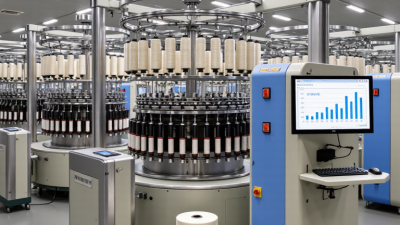
An automatic yarn spinning machine can reduce manual handling and help keep processes stable, but results depend on the fiber, yarn count, machine configuration, and maintenance routine. Picture a shift where an operator checks a clearer dashboard instead of repeatedly tracing uneven winding by hand. That is a practical benefit—when the system is properly matched to the mill. Small details matter. Buyers should compare verified productivity, energy use, changeover time, service access, and spare-parts availability, rather than relying on a headline speed figure.
The International Textile Manufacturers Federation’s industry surveys offer useful context on textile manufacturers’ operating conditions, but they do not establish that one spinning system suits every mill. That distinction deserves attention. No source article or verifiable expert quotation was provided here, so I cannot responsibly invent a named specialist’s words. Before publication, add a directly sourced quotation from a spinning-technology expert and check its wording against the original interview or report. A credible decision begins with evidence—and with honest limits.
What Is an Automatic Yarn Spinning Machine?
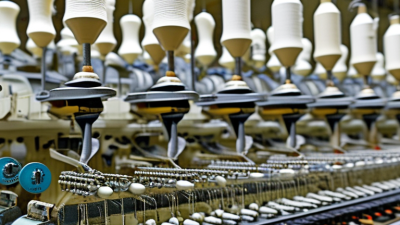
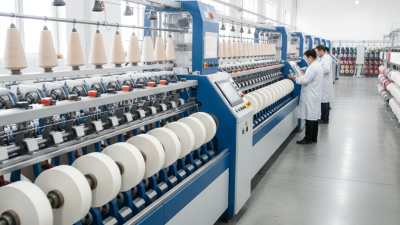
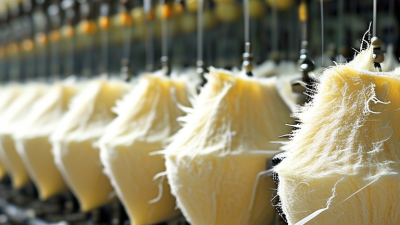
An automatic yarn spinning machine is equipment that turns prepared fibers into yarn while controlling several production steps with limited manual handling. Depending on its design, it may draft, twist, wind, and monitor yarn during a continuous run. Drafting rollers draw fibers into a thinner strand; a spindle or rotor adds twist, helping the fibers hold together. Small details matter. Uneven fiber feed or incorrect tension can create thin spots, weak sections, or yarn breaks.
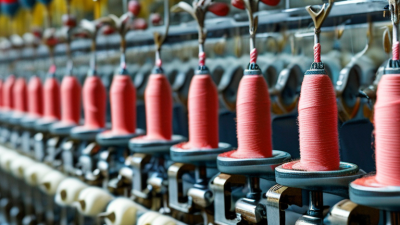
Automation can regulate speed and tension, detect breaks, and stop a machine when a fault occurs. The finished yarn is wound onto a package for later processing.
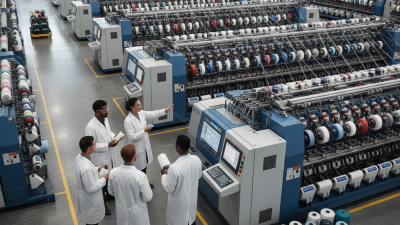
On the production floor, consistent settings help keep package size and yarn thickness within the required range. An operator still needs to check fiber preparation, machine settings, and the yarn itself. It is not fully hands-off. In practice, changeovers can take longer than a tidy process diagram suggests, especially when fiber type or yarn count changes. A suitable machine depends on the intended yarn, material, and production volume.
How Does the Automated Spinning Process Work?
An automatic yarn spinning machine converts prepared fibers into yarn through coordinated steps. The exact route depends on the spinning method, but many systems begin by opening and blending fibers. This loosens compressed material and helps distribute fiber types more evenly. The fibers are then aligned and drawn into a thinner strand. In some setups, carding or combing removes short fibers and improves alignment before spinning.
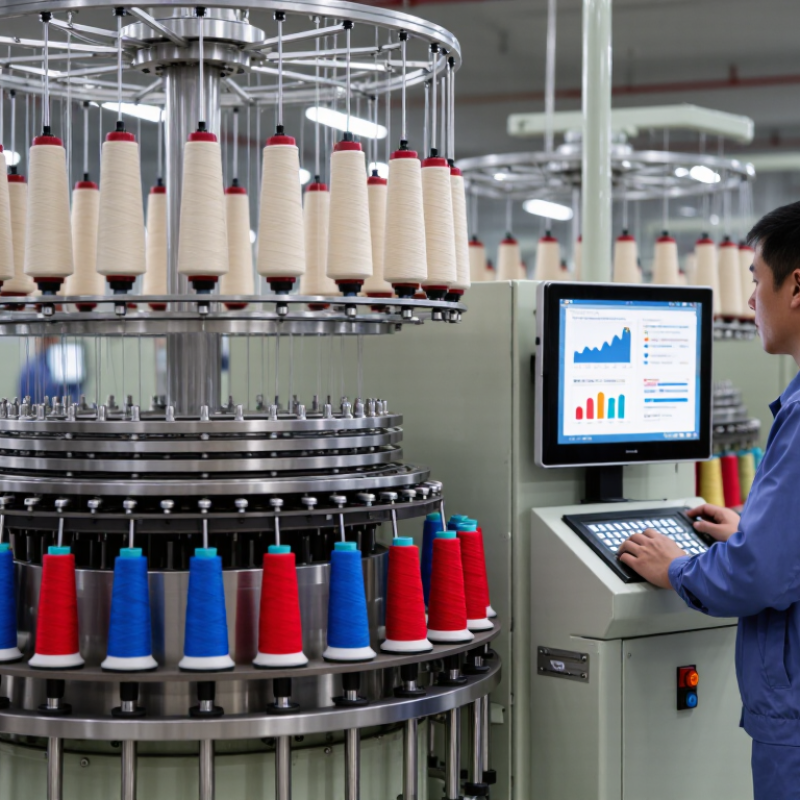
At the spinning stage, rollers control the strand’s thickness while a spindle or rotor adds twist. Twist helps the fibers hold together. The finished yarn is wound onto a package at a controlled speed. Sensors can monitor yarn tension and detect a break, then stop the machine or alert an operator. It is not magic. Poor fiber preparation can still cause uneven yarn, frequent breaks, or rough patches.
Operators set parameters such as draft, twist, and winding speed for the fiber and yarn count being produced. They also inspect packages and clear lint from working areas, since small faults can affect consistency. Automated controls reduce repeated manual handling, but they do not remove the need for setup and maintenance. A useful reality check: settings that work for one fiber blend may not suit another. Trial runs and yarn testing help confirm the results.
What Benefits Does Automation Bring to Yarn Production?
Automation can make yarn production more consistent by controlling drafting, twist, winding, and break detection. Sensors can flag a snapped end quickly, while automatic doffing reduces repeated handling at the machine. Small gains matter. Fewer interruptions can mean steadier output and less variation between packages, although results depend on maintenance, operator training, and the fiber being processed.
Not magic.
Textile Exchange’s Materials Market Report 2024 estimates that global fiber production reached 124 million tonnes in 2023 and could rise to 160 million tonnes by 2030. This is not a measure of yarn-machine performance, but it shows the scale of the supply chain facing mills. Automated monitoring can help supervisors spot recurring stoppages or uneven output across a shift, rather than relying only on end-of-day checks. Still, I would not call every automated line efficient: poorly calibrated sensors or neglected cleaning can create new delays. Mills should compare waste, downtime, and yarn quality before and after installation, using their own production records alongside supplier specifications.
What Factors Should Buyers Consider When Choosing a Machine?
Choosing an automatic yarn spinning machine starts with the fiber, not the brochure. Cotton, wool, recycled blends, and filament can behave differently during drafting and twisting. Ask for a trial using your actual fiber and target yarn count. Inspect yarn evenness, strength, hairiness, and waste. Keep sample cones for comparison. A short test can reveal more than a long feature list. Also compare the machine’s count range and spindle speed with your likely orders. Maximum speed is not always useful; steady output at your usual settings may matter more.
Check how much work automation removes from daily operation. Review doffing, piecing, monitoring, and adjustment requirements, then ask what training operators need. Small details count. Consider the machine’s footprint, power use, spare-part availability, and routine maintenance. Request energy figures per kilogram and compare them under similar operating conditions. There is a trade-off: more automation may reduce manual handling, but it can make troubleshooting less familiar to a small team. Ask to see a maintenance schedule and observe a machine running, if possible. Specifications can look convincing; real production conditions are messier. Recheck your assumptions before ordering.