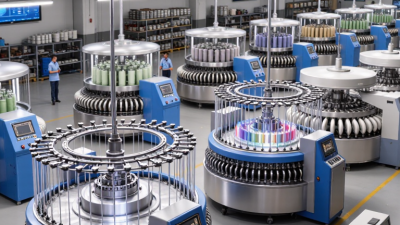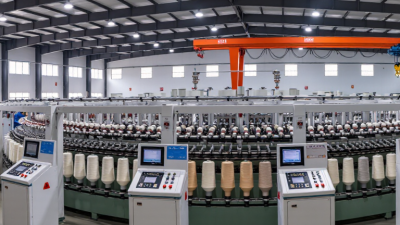
Choosing a machine for spinning wool requires more than comparing prices and motor power. The right equipment should match your fiber type, production goals, workspace, and practical experience. A hobby spinner may value quiet operation and simple controls. A small textile workshop may need stronger drive systems, adjustable tension, and consistent output.
Before choosing, examine how the machine handles different wool preparations. Clean fleece, washed locks, and prepared roving can behave differently under the same settings. Check the spindle or wheel speed, drafting control, bobbin capacity, and available replacement parts. These details affect yarn thickness, twist, and daily comfort. A reliable supplier should provide clear specifications, safety guidance, maintenance instructions, and responsive technical support.
Try the machine if possible. Listen for uneven vibration. Watch how smoothly the fiber enters the drafting zone. Your hands often notice problems before a product description does. Still, no machine solves every spinning challenge. Even an advanced model may produce inconsistent yarn when the wool is poorly prepared or the tension is incorrectly adjusted. I once underestimated the importance of foot control, and that small mistake made long spinning sessions tiring.
Consider noise, cleaning access, storage space, and energy use. These practical details are easy to overlook. They matter after several hours of work. Reviews can help, but they should not replace firsthand testing or advice from experienced spinners. A thoughtful decision balances technical performance with personal comfort. The best machine is not always the fastest one. It is the model that supports steady, repeatable work while leaving room to improve your craft.
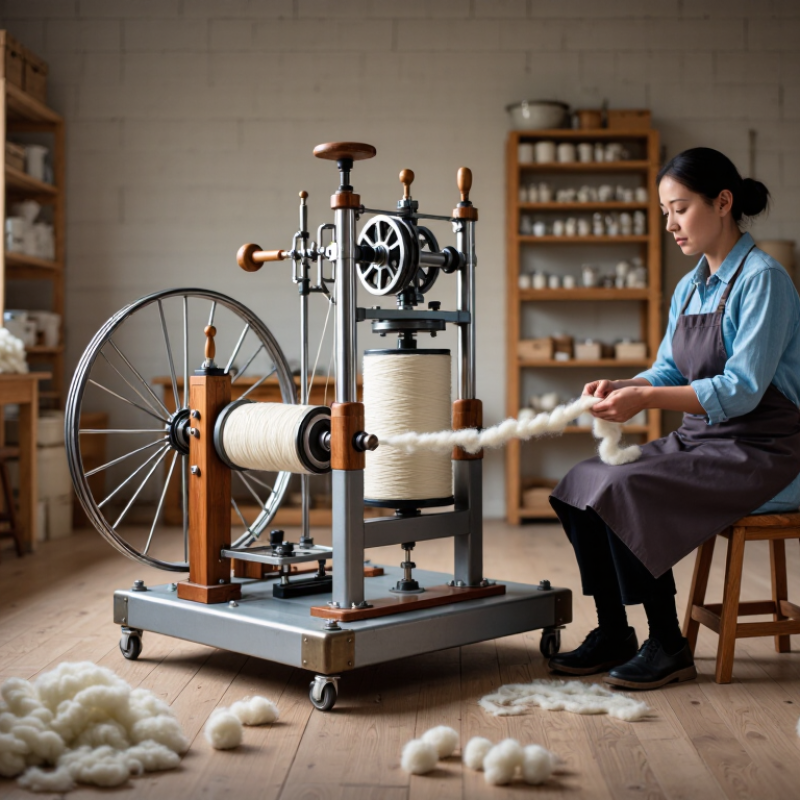
Choosing a wool-spinning machine starts with understanding its type and intended use. Each machine handles fibre differently.
A drop spindle is simple, portable, and affordable. It suits beginners who want to learn twist control by hand.
A spinning wheel offers better rhythm and supports longer spinning sessions. It works well for home production and traditional yarn making.
Electric spinners are compact and efficient. They suit users with limited space or reduced hand strength.
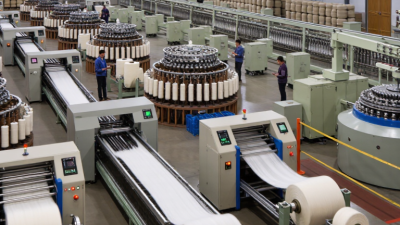
Industrial spinning machines provide consistent output for large-scale manufacturing. They require careful settings, maintenance, and trained operation.
Your wool preparation also matters. Soft merino fibre may need gentler drafting than coarse fleece. A machine with adjustable tension helps prevent uneven yarn.
I have found that speed alone does not guarantee quality. Fast spinning can create weak, over-twisted sections. That mistake is easy to miss under bright workshop lighting.
Consider the yarn you need, such as fine lace thread, durable knitting yarn, or bulky decorative yarn. Check spindle capacity, motor control, noise level, and cleaning access before buying.
Tips:
Test several fibre types if possible. Bring prepared wool to a demonstration. Listen for unusual vibration. Ask how replacement parts are obtained. Record your preferred speed and tension settings. Leave room for learning; the first skein may look uneven. That is useful evidence, not failure.
Start with the wool, not the machine. Examine staple length, fiber diameter, crimp, moisture, and vegetable matter. Short, fine fibers often need gentle drafting and precise tension control. Long, springy wool may tolerate faster feeding and stronger twist. I once underestimated how much crimp affected drafting. My first test produced uneven slubs and excessive waste.
Define the yarn before comparing specifications. A soft woolen yarn needs open fiber handling and moderate twist. A smooth worsted yarn requires controlled alignment and steady drafting. Consider the intended yarn weight, ply, twist level, and final use. A small sample can reveal more than a sales chart. Spin several meters and inspect thickness, strength, elasticity, and surface fuzz.
Capacity matters when production increases. Estimate kilograms per day, not only motor speed. Check the machine’s drafting range, bobbin size, feeding consistency, adjustment precision, and cleaning access. A fast machine is not automatically efficient. It may create more breaks, especially with delicate wool. Leave room for maintenance, operator movement, and safe storage. My own early capacity estimate was too optimistic because setup and cleaning consumed nearly one-third of the workday. Record actual output across different fleeces, then revise the equipment choice. The most suitable machine should match the fiber, the yarn specification, and the workflow you can consistently manage.
Choosing a wool-spinning machine requires more than checking its advertised speed. The 2024 Textile Exchange Materials Market Report places wool at roughly 1% of global fiber production. That small share makes fiber-specific compatibility important. A machine should accept your wool’s staple length, micron range, and preparation method. Carded rolags may need gentler intake control than compact combed top.
Compare the drive system, speed range, and control layout carefully. A foot pedal gives useful control during drafting, while a handwheel helps with slow, precise adjustments. Check the ratio between flyer and bobbin, because poor tension can create slubs or break delicate singles. The International Wool Textile Organisation reports annual wool production near one million tonnes, yet wool behaves differently across breeds and processing grades. Therefore, a wide speed range is often more valuable than maximum speed. My first comparison focused too much on motor power. That was a mistake. Noise, vibration, and easy cleaning matter during long sessions.
Tips: Test a small sample before buying. Measure yarn twist, breakage, and take-up consistency. Confirm that bobbins, orifice size, and replacement parts match the machine. Leave room for error. Wool can surprise you. A compatible tension system should handle both springy coarse fibers and soft fine fibers without constant manual correction. Look for clear controls, stable footing, and accessible maintenance points. Reports provide useful context, but hands-on sampling remains the most reliable check.
| Comparison Dimension | Traditional Treadle Wheel | Compact Electric Spinner | Programmable Electric Spinner | Best Selection Consideration |
|---|---|---|---|---|
| Primary Drive System | Foot-powered flyer or bobbin drive using one or two treadles. | Electric motor drives the flyer or bobbin; no treadling is required. | Electric motor with electronic speed regulation and stored operating settings. | Choose treadle drive for a quiet, traditional experience; choose electric drive for portability or reduced leg movement. |
| Typical Speed Control | Controlled manually through treadling rhythm, hand tension, and optional brake adjustment. | Usually controlled by a dial, foot pedal, or variable-speed controller. | Usually controlled through a digital panel, dial, or programmable controller, depending on the design. | A smoothly adjustable low-speed range is more important than maximum speed when learning or spinning fine wool. |
| Typical Speed Range | Approximately 100–1,500 flyer revolutions per minute, depending on wheel ratio and treadling speed. | Often approximately 100–1,800 flyer revolutions per minute, depending on motor and drive configuration. | Often approximately 50–2,000 flyer revolutions per minute, with model-specific limits. | Verify the manufacturer’s stated range and whether the machine maintains stable torque at low speed. |
| Drive Ratios | Commonly offers several ratios through interchangeable whorls or pulley positions. | May use fixed electronic speed control, interchangeable whorls, or both. | Usually relies mainly on electronic control, although some models also accept interchangeable whorls. | Multiple ratios are useful for switching between fine, medium, and bulky yarns. |
| Suitable Wool Preparation | Works with hand-prepared rolags, batts, and slivers when fiber is clean and properly aligned. | Works with rolags, batts, top, and commercially prepared sliver. | Works with the same common preparations, provided the orifice and yarn path are appropriate. | Match the machine to the preparation method you use most often; preparation quality affects spinning more than motor power. |
| Fiber Fineness Compatibility | Can spin fine merino, medium wool, and bulky wool with suitable ratios and drafting control. | Can handle fine to bulky fibers when speed and take-up are adjusted correctly. | Can handle a broad range of wool thicknesses, especially when low-speed control is precise. | For fine wool, prioritize gentle take-up and accurate low-speed adjustment; for bulky wool, check bobbin and orifice capacity. |
| Orifice Size | Commonly about 8–12 mm on general-purpose wheels; bulky models may provide a larger opening. | Often about 8–12 mm, with compact designs sometimes using a smaller opening. | Commonly about 8–15 mm, depending on whether the machine is designed for fine or bulky yarn. | A larger orifice reduces friction for lofty or bulky yarn, while a standard opening is adequate for most wool yarns. |
| Bobbin Capacity | Often approximately 100–250 g per bobbin, depending on bobbin size and yarn thickness. | Commonly approximately 50–150 g because compact machines use smaller bobbins. | Often approximately 100–250 g, with some systems offering jumbo bobbins. | Consider bobbin capacity if you spin long skeins or bulky yarn and want to reduce joins. |
| Bobbin and Flyer Compatibility | Usually requires bobbins designed specifically for the wheel’s flyer assembly and shaft dimensions. | Often uses proprietary or model-specific bobbins; replacement availability should be checked. | May support interchangeable bobbins, but shaft length, bearing position, and flyer clearance must match. | Confirm spare-bobbin availability, compatibility with existing bobbins, and whether a lazy kate can hold them securely. |
| Take-Up Adjustment | Typically adjusted with a scotch tension, Irish tension, double-drive system, or brake band. | Usually adjusted with an electronic take-up setting, brake adjustment, or drive-tension control. | May provide separate electronic controls for take-up, twist, or winding speed. | Independent take-up adjustment helps prevent thin wool yarn from being pulled too tightly into the bobbin. |
| Control Precision | Highly dependent on the spinner’s foot coordination and hand control. | Provides consistent speed with relatively simple manual adjustment. | Offers the greatest repeatability when settings can be saved or precisely adjusted. | Beginners often benefit from simple controls, while production or sampling work benefits from repeatable settings. |
| Power Requirement | No electrical power required. | Requires mains power or a compatible low-voltage adapter; some units support battery operation. | Requires mains power and may need a specific adapter or controller. | Check voltage, plug type, adapter rating, and battery options before purchasing an electric machine. |
| Noise and Vibration | Generally quiet, although treadle movement, wheel bearings, and drive bands can create mechanical noise. | Produces a low mechanical or motor hum; vibration depends on motor balance and table stability. | Usually quiet to moderate, with possible fan or motor noise at higher speeds. | For shared living spaces, test the machine at both low and high speeds and use a stable, level surface. |
| Portability | Usually heavier and less convenient to transport, especially full-sized double-treadle designs. | Generally lightweight and suitable for classes, travel, and small workspaces. | Moderately portable; the controller, power supply, and additional accessories add weight. | Measure the packed dimensions and include the power supply, bobbins, and carrying case in the transport plan. |
| Maintenance Needs | Regular lubrication, drive-band inspection, treadle adjustment, and bearing checks. | Cleaning, occasional lubrication of approved points, drive inspection, and motor or adapter checks. | Basic cleaning plus inspection of the motor, controller, sensors, and power connections. | Follow the maintenance instructions and avoid applying oil to sealed motor or electronic components. |
| Learning Curve | Requires coordination between treadling, drafting, and take-up control. | Usually easier to start because both hands can focus on drafting and yarn control. | Can be easy to operate but may require time to understand programmable settings and presets. | Choose the control style that allows you to concentrate on drafting rather than managing too many adjustments. |
| Best Use Cases | Traditional practiceQuiet studiosLong sessions | TravelSmall spacesFast setup | Repeatable yarnsSamplingFrequent production | Base the decision on available space, desired portability, control preference, and the types of wool yarn you plan to make. |
| Important Compatibility Checks | Wheel ratio, flyer hooks, bobbin shaft, orifice height, brake system, and treadle configuration. | Power supply, controller connection, bobbin dimensions, orifice size, and replacement-part availability. | Voltage, controller software or settings, bobbin dimensions, sensor system, and compatible accessories. | Before buying, compare the machine’s specifications with your fiber preparation, yarn size, available accessories, and workspace. |
Note: Specifications are typical ranges for general machine categories. Exact speed, capacity, dimensions, electrical requirements, and accessory compatibility vary by model and should be confirmed in the product documentation.
Before choosing a wool-spinning machine, measure the workspace carefully. Leave room for feeding fiber, moving your hands, and cleaning around the frame. A narrow corner may fit the machine but limit comfortable operation. Check floor stability, lighting, ventilation, and nearby power access. I once underestimated the space needed for storage. That mistake made daily work awkward.
Maintenance should be simple enough to perform regularly. Examine how easily you can reach belts, bearings, guards, and fiber pathways. Wool dust gathers quickly around moving parts. A machine with removable covers can reduce cleaning time. Keep a written maintenance schedule, even for small tasks. Safety guards, stable pedals, emergency stops, and clear instructions matter more than appearance. Test the controls slowly before spinning at full speed. Never ignore unusual vibration or heat.
Tips: Estimate operating costs beyond the purchase price. Include electricity, replacement parts, cleaning supplies, workspace heating, and expected downtime. Ask whether common components are easy to obtain. Record energy use during a normal working session. Compare that figure with your production needs. A cheaper machine may become expensive when repairs interrupt orders. I also recommend testing wool samples with different moisture levels. Results can change, and my first test was not perfectly controlled. That was useful, because it revealed how strongly preparation affects performance.
Choosing a machine for spinning wool should begin with testing, not appearance. A polished frame can still produce uneven yarn. I examine the drive system, tension control, fiber path, and adjustment range before buying. These parts affect drafting, twist, and yarn consistency during long sessions.
I bring prepared wool and test several samples with different thicknesses. The machine should handle soft fleece without pulling or damaging fibers. I check whether the treadling or motor response feels steady. I also listen for harsh vibration. Excessive noise may reveal poor alignment or loose components.
My first test is never perfect. Small changes in fiber moisture and drafting speed can alter the result.
Practical evaluation should continue beyond one successful sample. I spin for at least thirty minutes and inspect hand fatigue, heat, cleaning access, and maintenance needs. I measure the yarn with a simple wrap test, then compare thickness across the sample. Clear instructions matter too. If adjustments require guesswork, beginners may waste valuable wool. A reliable machine should offer controlled operation, stable construction, and accessible replacement parts. I would record each setting during testing, although I sometimes forget this step and regret it later. Real workshop conditions reveal more than a brief demonstration.