
10 Tips to Choose the Best Coir Spinning Machine
Choosing the right coir spinning machine can shape your production quality, labor costs, and long-term reliability. In real workshops, a machine may look impressive in a showroom but perform differently beside dusty fiber, uneven moisture, and continuous workloads. The best choice depends on your raw material, required yarn thickness, production volume, and available technical support.
This guide presents ten practical tips for evaluating equipment with greater confidence. It considers spinning speed, motor efficiency, fiber feeding, yarn consistency, safety features, spare-part availability, and maintenance access. Small details matter. A poorly positioned tension wheel can create uneven yarn. Difficult cleaning can gradually reduce output. Operators should also inspect the machine, test sample fiber, and request clear performance data before purchasing. Supplier experience matters, but your own production conditions matter more.
No machine is perfect. Some models offer high speed but require more careful adjustment. Others are easier to maintain but provide lower output. That trade-off is easy to overlook. Reliable decisions come from comparing documented results, customer feedback, warranty terms, and service response times. A trusted manufacturer should explain limitations, not only promote advantages. These ten tips will help buyers ask sharper questions, identify hidden operating costs, and select equipment that supports stable coir yarn production. The goal is not simply to buy a machine. It is to choose a dependable working system.
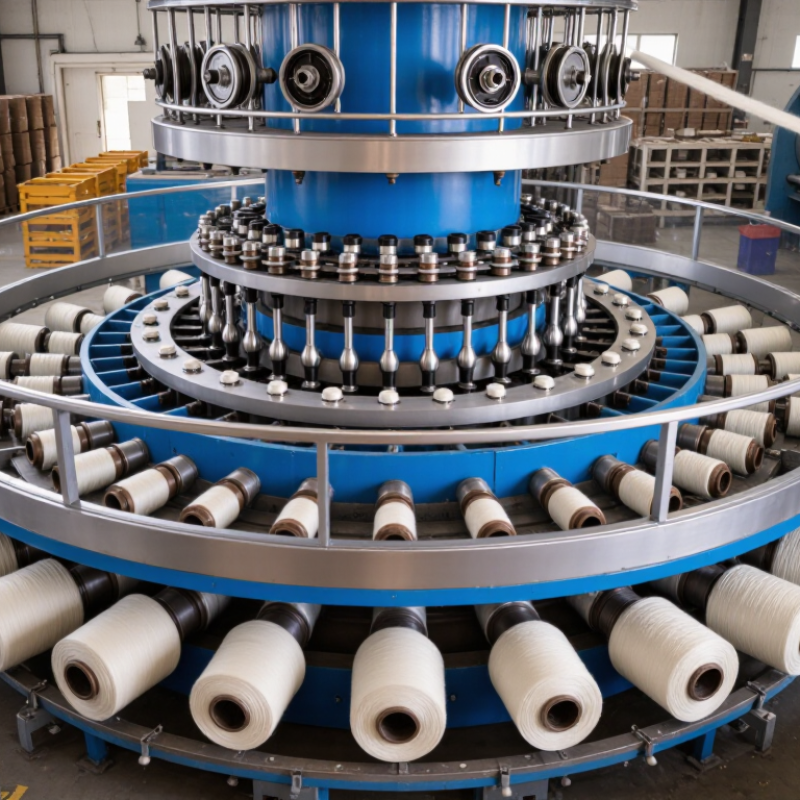
Define Yarn Requirements: Count, Twist, and 10–15% Moisture Content
Before choosing a coir spinning machine, define the yarn you need. Specify yarn count, twist level, and moisture content in writing. Yarn count controls thickness, weight, and material consumption. A small count variation can change fabric strength and surface appearance. Twist affects cohesion, firmness, and resistance to unraveling. Excessive twist may produce stiff yarn, while insufficient twist can cause loose fibers and breaks.
Keep the target moisture content between 10% and 15% when practical. Moisture affects fiber flexibility, friction, and spinning stability. Measure it with a calibrated moisture meter, not by touch alone. Test samples from several bales because coir fibers rarely behave identically. During machine trials, record count, twist, break frequency, spindle speed, and room humidity. I have seen acceptable yarn become uneven after a humid afternoon. The setting was not wrong; the material had changed. That detail is easy to miss. Ask the supplier to run your actual fiber under controlled conditions. Check whether the machine can adjust draft, tension, and twist without complicated downtime. Request test yarn for laboratory measurement and weaving trials. A visual inspection is useful, but it is not enough. Some unevenness appears only after winding or washing. Leave a realistic tolerance in your specification, because perfect uniformity may be impractical with natural coir. Then review the results with operators who handle the fiber daily. Their observations can reveal feeding problems that a short demonstration hides.
10 Tips to Choose the Best Coir Spinning Machine - Define Yarn Requirements: Count, Twist, and 10–15% Moisture Content
| No. | Selection Dimension | Recommended Requirement or Data | How to Check It | Why It Matters When Choosing a Machine |
|---|---|---|---|---|
| 1 | Define Yarn Count |
Specify linear density in tex. Useful development ranges may include approximately
1,000–3,000 tex, depending on the end use.
1,000 tex = 1 gram per metre; 2,000 tex = 2 grams per metre. |
Weigh a conditioned yarn sample and calculate:
Tex = mass in grams × 1,000 ÷ length in metres. Compare the result with the required count and its tolerance. |
The machine must support the required yarn thickness, drafting arrangement, delivery speed, and package size without unstable feeding. |
| 2 | Set the Twist Requirement | Define twist as turns per metre (TPM) or turns per inch (TPI). A practical trial window for many coarse coir yarn developments is approximately 250–450 TPM, but the final value must be confirmed by product testing. | Measure twist using a calibrated twist tester or a controlled untwist–retwist method. Record single-yarn and ply-yarn twist separately. | Twist affects strength, abrasion resistance, firmness, hairiness, and production stability. The machine needs a suitable spindle or rotor speed range and twist-control system. |
| 3 | Control Moisture Content | Condition the coir fibre or yarn at 10–15% moisture content before final count and strength evaluation. Keep moisture variation as narrow as practical during production. |
Use an oven-dry method or a calibrated moisture meter. The oven-dry calculation is:
Moisture % = (wet mass − dry mass) ÷ dry mass × 100. |
Moisture changes fibre flexibility, friction, yarn count, tensile results, and breakage. Machine trials made at inconsistent moisture levels can give misleading results. |
| 4 | Match Fibre Preparation | Define fibre length distribution, cleanliness, degree of retting, openness, and the proportion of short fibres before spinning trials. | Inspect fibre visually and record foreign matter, clumps, excessive dust, and short-fibre content. Use the same prepared fibre lot for comparable machine tests. | Poorly opened or highly variable coir feedstock can cause uneven yarn, frequent end breaks, roller loading, and inaccurate comparisons between machines. |
| 5 | Check Ply Configuration | State whether the product is single-ply, two-ply, or another construction. A two-ply yarn made from two similar 1,000 tex singles will have a nominal combined linear density near 2,000 tex, before production variation. | Confirm the number of spinning positions, plying positions, tension controls, and the machine’s ability to maintain balanced ply twist. | Ply construction influences bulk, balance, strength, appearance, and suitability for mats, ropes, brushes, and geotextile applications. |
| 6 | Evaluate Production Speed | Compare delivery speed, spindle or rotor speed, and expected operating efficiency under the specified count, twist, and moisture conditions. Use measured output rather than only the rated maximum. | Run a representative trial for a fixed period and record yarn output, stoppages, end breaks, waste, and actual running time. | Higher nominal speed is not necessarily better if it increases hairiness, unevenness, fibre loss, or downtime. |
| 7 | Measure Yarn Evenness | Establish acceptable variation for mass, diameter, and appearance based on the end product. Use a defined tolerance around the target tex instead of relying only on visual inspection. | Measure multiple packages from different machine positions. Record count variation, thick and thin places, slubs, and visible defects. | Even yarn improves winding, weaving, braiding, knotting, appearance, and predictable performance in finished products. |
| 8 | Test Tensile Strength and Elongation | Define minimum breaking force, tenacity, and elongation for the intended product. Results should be reported with the yarn count, twist, gauge length, testing speed, and moisture condition. | Test conditioned samples using a calibrated tensile tester and repeat the test across several packages and machine positions. | A machine that produces the target count but fails strength or elongation requirements may create weak ropes, unstable fabrics, or excessive breakage during downstream processing. |
| 9 | Review Waste and Energy Use | Record fibre waste, yarn waste, compressed-air use where applicable, motor power, and electricity consumption per kilogram of acceptable yarn. | Weigh input fibre, saleable yarn, process waste, and rejected yarn during a controlled production run. Record electricity consumption over the same period. | The lowest purchase price may not provide the lowest operating cost if the machine has high waste, frequent stoppages, or excessive energy demand. |
| 10 | Confirm Adjustability and Maintenance | Require adjustable feed, draft, twist, tension, delivery speed, and package settings. Check access to wear parts, lubrication points, guards, cleaning areas, and operator controls. | Perform a trial using at least two yarn specifications, such as a lighter and heavier count, while recording setup time and adjustment range. | Adjustable equipment can accommodate product changes and raw-material variation while reducing setup time, quality losses, and unplanned maintenance. |
Related Posts
-
Top 10 Types of Coir Yarn Spinning Machines for Global Buyers
-
Why Choose an Automatic Coir Yarn Spinning Machine?
-
Top 10 Cotton Yarn Twisting Machines to Enhance Your Textile Production?
-
How to Choose the Right Yarn Spinning Machine for Your Needs?
-
2026 Best FDY Yarn Machine for Global Buyers?
-
Top 10 Tips for Choosing the Right PP Multifilament Yarn Machine