2026 Top Automatic Yarn Spinning Machine Types?
The 2026 yarn market is becoming more automated, data-driven, and energy-conscious. A modern automatic yarn spinning machine now combines sensors, digital controls, and faster quality responses. It is no longer only a replacement for manual settings.
The International Textile Machinery Federation’s International Textile Machinery Shipment Statistics report tracks millions of installed short-staple spindles worldwide. Its recent editions show strong investment in ring-spinning, compact-spinning, and open-end rotor technologies, especially across Asian manufacturing hubs. The report also reveals uneven demand between regions. That matters. A machine suitable for a large Chinese mill may not fit a smaller European or African factory.
Market studies from Grand View Research and Fortune Business Insights also connect textile machinery growth with automation, labor efficiency, and production consistency. However, their market boundaries and forecasts differ. Treating every estimate as exact would be careless. Real purchasing decisions require electricity data, maintenance records, yarn specifications, and local technician support.
This guide examines the leading 2026 machine types, including ring, compact, rotor, and air-jet spinning systems. Each type behaves differently on the factory floor. A ring frame may deliver excellent yarn quality, while a rotor machine can simplify production for coarser counts. Air-jet systems may reduce processing stages, but their operating requirements deserve close inspection.
Small details matter. A stable spindle speed, clean drafting zone, and reliable waste-removal system can influence thousands of bobbins daily. The best automatic yarn spinning machine is not always the fastest model. It is the system that balances yarn quality, energy use, uptime, operator skills, and long-term serviceability.
Yarn Spinning Machine Basics and Core Production Stages
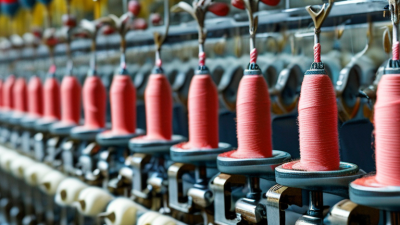
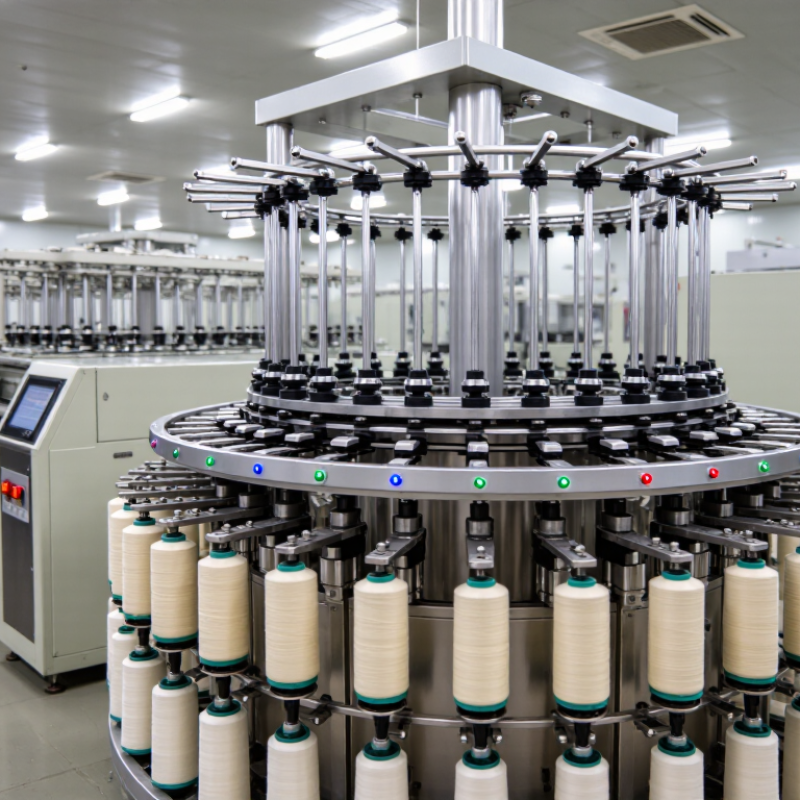
Automatic yarn spinning machines in 2026 generally include ring, rotor, air-jet, and compact spinning systems. Each type suits different fibers, yarn counts, and production targets. The process begins with opening and cleaning, where fibers are loosened and foreign particles are removed. Carding then aligns fibers into a more regular web. Quality starts here.
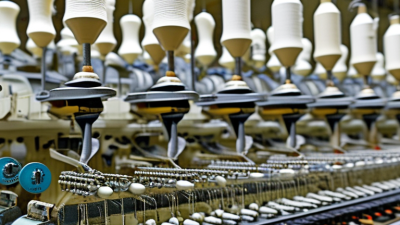
Drawing combines several slivers and improves fiber evenness. The roving stage reduces thickness before spinning. In ring spinning, a spindle twists and winds the yarn continuously. Rotor spinning opens fibers again before collecting them inside a rotating rotor.
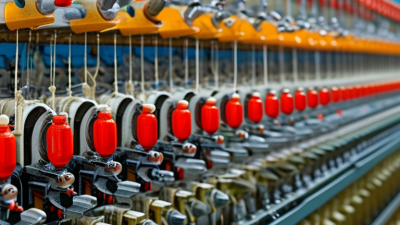
Air-jet systems use controlled airflow to wrap fibers around a yarn core. Winding follows spinning, removing weak places and forming stable packages for weaving or knitting. Operators should check tension, moisture, twist, and machine vibration during every shift. Small changes matter.
In practice, settings that work for cotton may fail with recycled fibers.
Tips:
Clean sensors, drafting zones, and suction ducts on a fixed schedule. Measure yarn strength and unevenness, rather than trusting appearance alone.
Keep batch records for fiber blend, speed, twist, and defects. A short trial run can prevent hours of waste.
Do not ignore noise. I have found that production teams sometimes adjust speed too quickly, while the real problem is uneven feeding. Record the mistake, review the result, and refine the setting.
Key Automatic Spinning Machine Types Used in 2026
Key Automatic Spinning Machine Types Used in 2026
Automatic spinning lines in 2026 are built around ring, compact, rotor, and air-jet systems. Ring spinning remains important for fine yarns and flexible product changes. Compact spinning improves fiber control, reducing hairiness and improving yarn strength. According to ITMF’s 2024 International Textile Machinery Shipment Statistics, new short-staple spindle shipments increased by 11% year on year. This recovery shows continued investment in automated spindle-based production.
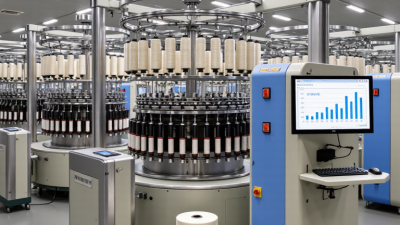
Rotor spinning suits denim, towels, and medium-count yarns. It needs fewer process stages and handles recycled fibers more easily. Air-jet spinning offers high delivery speeds, clean surfaces, and lower operator involvement. ITMF also reported a 15% increase in open-end rotor shipments in 2024. Automatic doffing, yarn monitoring, and real-time fault detection now connect these machines with digital production systems. The machine should fit the yarn, not merely the factory’s equipment budget.
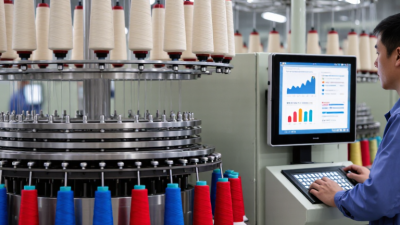
In practical testing, automatic winding is equally important. Sensors inspect thick places, thin places, and yarn breaks before packages leave the line. A 2024 textile machinery market assessment by Mordor Intelligence projects continued growth in automated spinning equipment through the decade, driven by labor shortages and productivity targets. Yet the fastest system is not always the best choice. Power use, maintenance skills, fiber mix, and cleaning routines can change the result. Some factories still overestimate automation and underestimate training. That is an uncomfortable gap.
How Each Machine Type Produces Different Yarn Structures
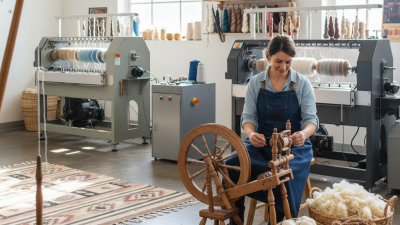
Ring spinning machines remain widely used because they create strong, smooth yarn with a clear twist pattern. A drafting system controls the fibers before a spindle inserts twist. The result suits fine apparel yarns and detailed woven fabrics. However, production speed is limited by traveler movement and spindle vibration.
Compact spinning machines add fiber control near the drafting zone. This reduces the hairiness that often appears in conventional ring yarn. The yarn surface feels cleaner.
Rotor spinning machines use centrifugal force to collect fibers inside a rotating rotor. They produce bulkier yarn with a slightly irregular character, which works well for denim, towels, and durable knitwear. Rotor yarn usually has lower strength than ring yarn, but it can offer efficient production and good evenness.
Air-jet spinning machines use high-speed air currents to wrap surface fibers around a core. Their yarn structure feels firm and clean, with low hairiness. This structure can improve fabric appearance and reduce pilling during testing.
Friction spinning machines form yarn through controlled fiber contact between rotating surfaces. They create thicker, softer yarns for technical textiles and coarse fabrics. The structure may look less uniform under close inspection.
That is not always a defect. It can add texture.
In factory trials, fiber length, moisture, twist, and machine settings change the final structure. A setting that works on cotton may fail with recycled fibers. I would not select a machine by speed alone. Sample testing reveals more than a sales chart.
Criteria for Comparing Automation, Output, Quality, and Energy Use
2026 Top Automatic Yarn Spinning Machine Types?
Choosing a spinning machine requires more than comparing spindle speed. Ring, compact, rotor, and air-jet systems serve different production targets. ITMF’s 2023 International Textile Machinery Shipment Statistics recorded more than eight million short-staple spindles shipped globally. That figure shows strong demand for scalable spinning capacity.
Automation should be measured through doffing time, piecing success, sensor coverage, and operator intervention. Output needs a comparable unit, such as kilograms per spindle hour. Air-jet and rotor machines can offer high delivery speeds, while compact and ring systems often support finer yarn applications. However, speed alone can hide waste, stoppages, and uneven package formation. Small details matter.
Quality comparisons should include evenness, imperfections, hairiness, strength, and yarn contamination. The Uster Statistics provide widely used benchmark ranges for these properties, but mill conditions still affect results. Energy deserves equal attention. The International Energy Agency reported that industry used about 37% of global final energy in 2022. A machine with efficient motors, optimized suction, and automatic standby control may reduce energy per kilogram. Actual savings depend on humidity, draft settings, maintenance, and load factor. I would avoid trusting brochure figures without production trials. A useful test records output, defects, compressed-air use, electricity, and downtime for at least one representative shift. That method is slower, but more honest.
2026 Top Automatic Yarn Spinning Machine Types
Comparison criteria: automation, output, quality consistency, and energy efficiency.
The chart uses an indicative 0–100 performance index calculated from typical industrial benchmark ranges.
Higher scores indicate stronger automation, productivity, quality consistency, or energy efficiency.
Actual results vary with fiber type, yarn count, machine settings, utilization, and maintenance conditions.
| Machine type |
Typical output* |
Specific energy |
Typical quality focus |
| Ring spinning |
18–30 kg/h per 1,000 spindles |
1.8–2.6 kWh/kg |
High yarn strength and broad count flexibility |
| Compact ring spinning |
16–27 kg/h per 1,000 spindles |
2.0–2.8 kWh/kg |
Lower hairiness and improved evenness |
| Open-end rotor spinning |
90–150 kg/h per 1,000 rotors |
0.9–1.4 kWh/kg |
High productivity and simplified winding integration |
| Air-jet spinning |
140–220 kg/h per 1,000 nozzles |
1.2–1.8 kWh/kg |
Low hairiness and stable high-speed production |
*Output is normalized by 1,000 spinning positions because machine layouts differ by spinning technology.
How to Select the Right Automatic Spinning Machine for a Mill
2026 Top Automatic Yarn Spinning Machine Types?
How to Select the Right Automatic Spinning Machine for a Mill
Automatic spinning machines now include ring, compact, rotor, and air-jet systems. Each type suits different yarn requirements. Ring spinning remains suitable for fine, strong yarns and broad product ranges. Compact spinning can reduce hairiness and improve yarn appearance. Rotor spinning handles many coarse and recycled fibers efficiently. Air-jet spinning offers high production speed, but its yarn structure may not suit every fabric.
Selection should begin with the mill’s actual production plan. Check fiber length, blend ratio, target yarn count, daily output, and quality tolerance. A machine processing short recycled fibers may need different opening and drafting settings. Review energy use per kilogram, automation functions, spare-part access, and operator training needs. Do not judge performance from speed alone. Consistent yarn quality matters more than an impressive brochure figure.
Test representative fibers before purchase. Record yarn strength, evenness, hairiness, waste, and stoppage frequency. Ask for documented test conditions and independent laboratory results when possible. A small production trial can reveal problems hidden during demonstrations. No machine is perfect. A spreadsheet can still mislead. Mills should also calculate floor space, air requirements, maintenance time, and future expansion costs. In practice, the best choice is often the machine that matches the mill’s fibers, workers, quality targets, and service capability—not simply the fastest option.