How to Choose a Small Cotton Yarn Making Machine?

Choosing a small cotton yarn making machine requires more than comparing prices and motor ratings. The right model must suit your cotton quality, yarn count, production target, and available workspace. A machine that performs well in a factory may struggle in a small workshop.

Dr. Seshadri Ramkumar, a textile materials scientist and professor, emphasizes this principle: “The best textile equipment is selected by matching the material, process, and final product.” His statement is useful here. Cotton with short fibers may need stronger opening and cleaning control. Longer fibers may require gentler handling. Check whether the machine supports your intended yarn count before signing an order.

Look closely at the feeding system, drafting accuracy, spindle speed, twist range, and expected output. Ask for a real cotton trial, not only a polished catalog video. Watch the yarn forming process. Notice uneven thickness, loose fibers, vibration, and unusual noise. Small details matter.

Power consumption also deserves attention. A compact machine should not create oversized energy costs. Confirm spare-part availability, operator training, warranty coverage, and cleaning access. Maintenance should feel practical, not mysterious. If a belt sits behind several sealed panels, daily servicing may become frustrating.

There is no perfect machine. I have seen buyers focus on speed and later regret weak yarn consistency. That mistake is easy to make. Compare at least three suppliers, record their technical answers, and calculate output using realistic working hours. The cheapest small cotton yarn making machine may become expensive when downtime, waste, and repairs are included. Choose evidence over impressive promises.
How to Choose a Small Cotton Yarn Making Machine?

Understanding Small Cotton Yarn Making Machines

How to Choose a Small Cotton Yarn Making Machine?

Understanding Small Cotton Yarn Making Machines

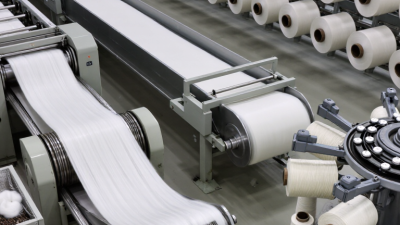
A small cotton yarn making machine turns prepared fibers into yarn through drafting, twisting, and winding. Each stage affects yarn strength, softness, and evenness. Before choosing equipment, understand its working process and limits. A compact machine may suit samples, training, or modest production. It may not handle every cotton grade smoothly.

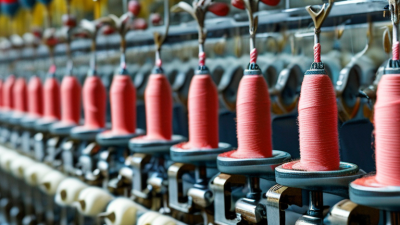
Check the fiber path carefully. Cotton should move evenly through the feed rollers without sudden pulling. Adjustable draft settings help control yarn thickness. Spindle speed also matters, because excessive speed can increase breakage and surface fuzz. In practical testing, examine a yarn sample under steady tension. Look for thin places, thick spots, loose fibers, and irregular twist. These details often reveal more than a sales specification.

A machine with simple controls can be easier to maintain. However, simple does not always mean reliable. Bearings, belts, rollers, and electrical parts still need regular inspection.

Tips: Test your own cotton before purchase. Ask for a continuous trial, not only a short demonstration. Record output weight, yarn count, breakage frequency, and cleaning time. Check whether operators can adjust settings safely. Leave space around the machine for threading and maintenance. I would also compare noise levels during a full run. A quiet machine feels better, but consistent yarn quality matters more. Small errors become expensive later.

Identifying Your Cotton Yarn Production Requirements

Choosing a small cotton yarn making machine starts with production requirements, not machine size. Define the yarn count, fiber length, daily output, and acceptable unevenness. A workshop making coarse yarn for handwoven fabric needs different settings from a supplier producing fine knitting yarn. Measure actual demand for several months. Guessing from one busy week can lead to costly overcapacity. Keep it practical.

Record the cotton’s moisture, cleanliness, and staple variation before contacting equipment makers. These details affect opening, drafting, spindle speed, and waste. For example, short fibers may require gentler handling and closer quality checks. Decide whether you need carding, drawing, spinning, winding, or a connected line.

A compact machine may save floor space, yet its feeding and maintenance areas still need room. Sketch the layout around power access, ventilation, storage, and safe operator movement.

Set measurable targets: kilograms per day, yarn count range, twist level, acceptable defects, and changeover time. Request trial production with your own cotton when possible. Inspect strength, hairiness, slubs, and package build after running continuously, not only from the first sample. Ask for cleaning intervals, spare-part availability, training, and energy use per kilogram. Planned output often looks optimistic on paper. Leave operating margin for humidity changes, learning time, and small stoppages. The best choice fits your real workflow, even if its rated capacity seems less impressive.

Comparing Machine Types, Capacity, and Yarn Quality

How to Choose a Small Cotton Yarn Making Machine?

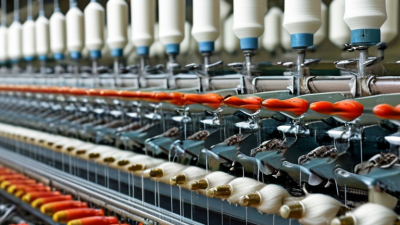
Machine type determines both capacity and yarn quality. Ring spinning suits fine cotton yarn and usually delivers strong, smooth yarn. However, it needs several preparation stages, including carding, drawing, roving, and winding. Rotor spinning uses fewer processes and handles recycled or shorter fibers more easily. Its yarn can feel bulkier, with slightly different strength. Air-jet spinning offers high output and low hairiness, but it requires stable fiber preparation and compressed air.

Capacity should be measured as saleable yarn, not only spindle or rotor numbers. ITMF reported about 8.5 million new short-staple spindles shipped globally in 2023. This confirms ring spinning remains important, but large industrial figures can mislead small workshops. A compact unit should be judged by kilograms per day, energy use, labor needs, and waste rate. Ask for test results using your actual cotton. Machine claims are not always comparable.

Yarn quality needs measurable targets. Check count variation, unevenness, tensile strength, hairiness, neps, and end-break frequency. ISO 16549 supports standardized yarn evenness testing, while ISO 2062 covers tensile testing. USDA’s Cotton: World Markets and Trade reports show global mill demand remains high, yet cotton quality varies by crop and origin. That detail matters. My own comparison would still include a weakness: laboratory results may look excellent, while humid air, dusty floors, or untrained operators reduce performance. A short production trial is essential.

Checking Energy Use, Maintenance, and Operating Safety

How to Choose a Small Cotton Yarn Making Machine?

Energy use deserves more attention than the machine’s purchase price. Check the motor rating, standby consumption, and power required during startup. A simple electricity meter can reveal expensive idle periods. Machines with adjustable speed may reduce consumption when producing finer yarn. However, lower power does not always mean better efficiency. A weak motor may work harder and overheat. Ask for test data under realistic cotton loads, not only empty-running figures.

Maintenance affects yarn quality and production stability. Inspect how easily operators can reach the rollers, spindle area, belts, and bearings. Removable covers save time, but poorly fitted covers create vibration. Cotton dust gathers quickly around moving parts. Clean it with suitable equipment and follow the manufacturer’s service intervals. I once underestimated lint buildup during a busy week. That decision caused uneven yarn and an avoidable stoppage. Keep spare belts, fuses, and approved lubricants nearby. Record repairs, unusual noise, and temperature changes.

Operating safety should be checked before the first trial. A guarded drive system, accessible emergency stop, and clear electrical isolation point are essential. The machine should stand firmly, with cables protected from moisture and foot traffic. Operators need training on threading, cleaning, jam removal, and shutdown procedures. Never reach into moving parts. Lockout procedures matter. Good lighting also reduces mistakes. A quieter machine may feel safer, but noise and vibration still require measurement. Ask an experienced technician to inspect the installation, because a compact machine can still create serious hazards.

How to Choose a Small Cotton Yarn Making Machine?

Comparison of energy use, planned maintenance time, and operating safety checks for typical small-scale cotton yarn machine capacities.

Lower specific energy consumption and maintenance time can reduce operating costs. A clear daily safety-check routine is essential regardless of machine capacity. The figures are representative planning benchmarks for non-branded small-scale equipment and should be verified against the selected machine's technical documentation.

Evaluating Suppliers, Costs, and Long-Term Support

Choosing a small cotton yarn making machine starts with the supplier, not the catalogue photo. Ask for verified output data using cotton similar to yours. Fiber length, moisture, and yarn count can change performance sharply. Request a video of the machine running under normal production conditions. Better still, speak with two current users. Their maintenance records may reveal more than polished sales materials.

Purchase price is only one part of the cost. Include shipping, installation, electrical upgrades, training, spare rollers, belts, and cleaning tools. Calculate energy use per kilogram of yarn. A cheaper machine can become expensive when its motor runs inefficiently or its parts arrive slowly. Get every charge in writing. Ask again. Vague quotations create avoidable disputes.

Long-term support deserves equal attention. Confirm response times, technician availability, warranty limits, and spare-part storage locations. A useful supplier should provide manuals, troubleshooting videos, and clear maintenance schedules. Check whether operators can learn basic adjustments without calling an engineer. This matters. However, do not assume promised support will remain strong for years. Test it before buying by sending several technical questions. Slow or unclear replies are useful warning signs. My own evaluations have shown that small buyers sometimes focus too heavily on initial savings. That choice may work briefly, but production delays can damage customer trust. Leave room in the budget for training and unexpected repairs.

How to Choose a Small Cotton Yarn Making Machine? - Evaluating Suppliers, Costs, and Long-Term Support

Machine Configuration Best-Fit Application Typical Output Range Common Yarn Range Indicative Power Requirement Estimated Equipment Cost Supplier Evaluation Focus Long-Term Support Priority
Compact rotor-spinning line Small-scale production of coarse to medium cotton yarn for knitting, weaving, and recycled-fiber blends. Approximately 15–80 kg per hour, depending on rotor count, fiber preparation, and yarn specification. About Ne 6–30 Approximately 25–90 kW for the spinning section; auxiliary equipment requires additional capacity. About USD 45,000–180,000 for a small line, excluding building work, freight, installation, and taxes. Request verified production samples, rotor-speed data, raw-material requirements, and a complete list of included auxiliaries. High
Compact ring-spinning line Higher-quality cotton yarn where strength, appearance, and a broad yarn-count range are important. Approximately 10–60 kg per hour for a small installation, depending on spindle count and yarn count. About Ne 20–60 Approximately 30–110 kW for spinning and essential auxiliary equipment. About USD 80,000–300,000 for a small line, excluding site preparation and commissioning. Check spindle-speed stability, drafting-system accuracy, yarn-break performance, and compatibility with the intended cotton grade. Very high
Mini or laboratory spinning unit Product development, training, sampling, and very small batches rather than continuous commercial production. Approximately 0.5–10 kg per hour, depending on the process and configuration. Often Ne 10–40, subject to the machine design. Approximately 5–25 kW About USD 15,000–90,000, depending on automation and included preparation equipment. Prioritize repeatability, operator training, calibration records, and the availability of replacement sensors and control components. High
Second-hand compact line Budget-sensitive projects with access to qualified maintenance personnel and equipment inspection capability. Usually 60–100% of the original rated output when properly refurbished; actual performance varies widely. Depends on the installed drafting, rotor, or spindle system. Typically similar to the original machine rating, with possible efficiency losses from aging components. About 30–70% of comparable new-equipment pricing, excluding refurbishment and relocation. Inspect operating hours, maintenance history, electrical condition, missing parts, control-system obsolescence, and test-run results. Very important
Modular starter line Businesses planning gradual expansion from sample production to regular commercial orders. Approximately 10–50 kg per hour at the initial stage, with capacity added through modules. Commonly Ne 10–40 Approximately 20–80 kW initially, increasing as modules are added. About USD 35,000–150,000 for the initial configuration. Confirm upgrade compatibility, software licensing, spare-capacity requirements, and whether future modules use the same control platform. Very high
Cost figures are indicative planning ranges in U.S. dollars for small-scale installations. Final prices vary according to automation level, machine age, yarn specification, fiber-preparation equipment, shipping distance, installation, import duties, utilities, and after-sales service. Always obtain a written quotation and a witnessed production trial before purchase.
Supplier Due-Diligence Category Evidence to Request Minimum Acceptance Check Suggested Evaluation Weight Warning Sign Commercial Impact Recommended Contract Term Priority
Technical fit Detailed specification sheet, process diagram, utility list, and compatible fiber details. All required yarn counts and target output are demonstrated using comparable cotton. 25% Only maximum capacity is quoted without yarn-count or fiber conditions. May cause lower output, higher waste, or unsuitable yarn quality. Include agreed performance parameters in the purchase contract. Critical
Total cost of ownership Itemized quotation covering machine, auxiliaries, freight, installation, training, spares, and taxes. At least three-year operating-cost estimate is available. 20% Low equipment price with unclear exclusions or unusually high recurring charges. Hidden costs can materially increase the payback period. Use a fixed scope of supply and clearly stated delivery terms. Critical
Service and spare parts Spare-parts list, stock locations, response procedure, service rates, and technician availability. Critical wear parts have stated lead times and documented part numbers. 20% No parts list, no service escalation route, or dependence on discontinued components. Extended downtime can exceed the original equipment savings. Specify response times, remote-support coverage, and parts availability. Critical
Installation and training Commissioning plan, operator curriculum, maintenance manuals, and acceptance-test procedure. Training includes operation, cleaning, fault diagnosis, and preventive maintenance. 15% Training is limited to basic machine start-up. Improper settings can increase yarn faults, waste, and safety risks. Link final payment to successful commissioning and acceptance testing. High
Supplier reliability Verifiable customer references, factory documentation, warranty policy, and financial or operational history. References operate comparable equipment under similar production conditions. 10% References cannot be verified or warranty exclusions are unusually broad. Raises the risk of delayed delivery and weak post-sale support. Use milestone payments tied to documentation, shipment, and acceptance. High
Safety and compliance Electrical drawings, guarding details, emergency-stop layout, manuals, and applicable conformity documents. Machine can be safely integrated into the facility and local regulatory requirements. 10% Missing safety documentation or unclear electrical standards. May delay installation, approval, insurance, or production start-up. Make compliance documents part of the delivery requirement. Critical
A practical purchasing decision should combine technical performance, total cost of ownership, supplier responsiveness, spare-parts availability, operator training, and documented acceptance testing rather than relying on the lowest initial quotation alone.