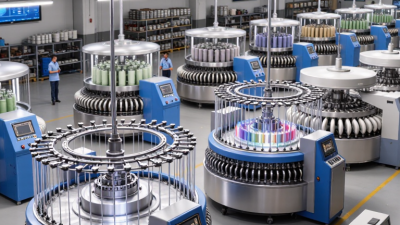
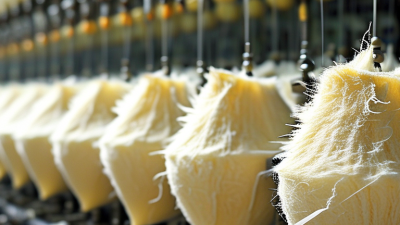
What Is a Cotton Yarn Making Machine and How Does It Work?
A cotton yarn making machine transforms loose cotton fibers into a continuous yarn through a sequence of careful mechanical steps. The process starts with fiber preparation, where cotton is opened, cleaned, and blended. Carding then separates tangled fibers and forms a soft, narrow web. Drawing frames combine and align these strands, improving their evenness before spinning. The details vary by machine type, but the goal remains consistent: control the fibers well enough to produce yarn with the required strength and thickness.
At the spinning stage, rollers draft the fiber strand while a spindle or rotor adds twist. The yarn is then wound onto a package for later processing. Textile engineer Dr. S. M. Ishtiaque’s work concerns yarn manufacturing, but I cannot verify a direct quotation from him on this specific machine. A reliable summary of the engineering principle is: “Consistent yarn depends on controlled drafting, twist, and fiber handling.” Treat that as a paraphrase, not his exact words.
Small adjustments matter. A slight change in roller spacing can affect yarn thickness; uneven cotton can cause weak places or breakages. Operators monitor machine settings, yarn appearance, and breaks rather than trusting automation alone. It is not magic. Nor is every output perfectly uniform. Understanding what each section does makes it easier to compare machine designs, identify quality issues, and choose equipment suited to a mill’s production needs.
What a Cotton Yarn Making Machine Is
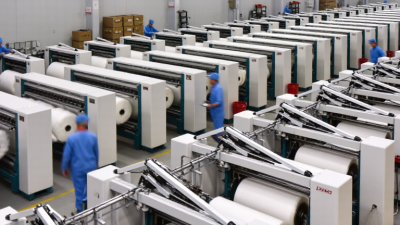
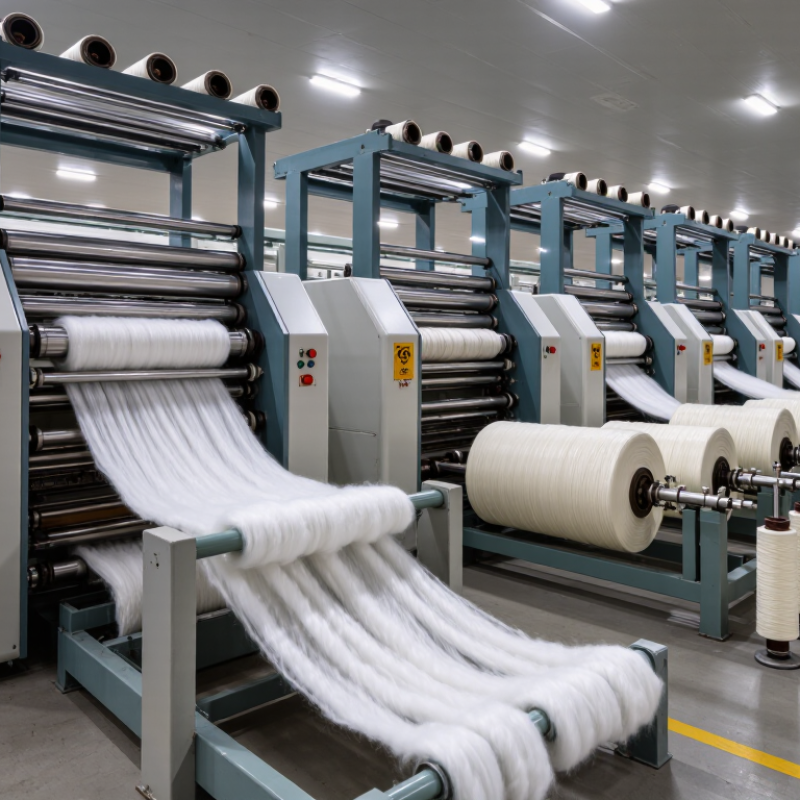
A cotton yarn making machine is not usually one machine. It is a connected production system that turns loose cotton fibers into yarn with a chosen thickness and strength. The line commonly includes opening and cleaning equipment, carding machines, drawing frames, roving frames, spinning machines, and winders. Each stage prepares the fibers for the next. Simple idea. Careful work.
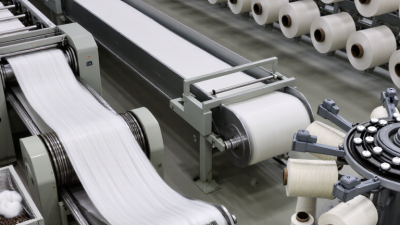
At the opening stage, compact cotton is loosened and blended, while cleaning equipment removes much of the dust and plant residue. Carding then separates and aligns fibers into a soft, continuous web, which becomes a sliver. Drawing frames combine and draft several slivers to improve evenness.
The USDA’s 2024 Cotton: World Markets and Trade report estimated 2023/24 global cotton production at about 113.5 million 480-pound bales. That scale helps explain why consistent processing matters: small variations can affect a large volume of fiber.
In the spinning stage, the prepared strand is drafted and twisted into yarn. Ring spinning uses a spindle and traveler; rotor spinning forms yarn inside a rapidly rotating rotor. Winding transfers finished yarn onto packages and can remove some detectable defects. The exact equipment depends on the yarn count, fiber quality, and production goals. A machine setting that works well for one cotton lot may perform poorly with another. That part is easy to underestimate. Operators still need to inspect sliver and yarn, adjust settings, and investigate breaks; automation does not make every batch uniform.
The Main Components and Their Functions
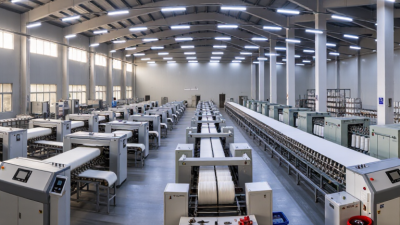
A cotton yarn making machine is a linked production line, not one standalone unit. Its components open, clean, align, draft, twist, and wind cotton fibers into yarn. Textile Exchange’s Materials Market Report 2024 estimates that global fiber production reached 124 million tonnes in 2023, with cotton accounting for about one-fifth. This scale makes consistent fiber handling important, though the figure alone cannot predict a mill’s machinery needs.
In the blowroom, feeders loosen compressed cotton bales, while beaters remove larger pieces of leaf and dust. The card then separates fibers and forms a soft, continuous sliver. Drawing frames combine and stretch several slivers to improve uniformity. Small differences matter. Poor blending or uneven drafting can show up later as weak spots in the yarn. A roving frame further attenuates the sliver and adds light twist before ring spinning.
At the ring frame, drafting rollers thin the roving; spindles and rings add twist and wind yarn onto small packages. Rotor systems use a different spinning route and may omit roving. A winding machine transfers yarn to larger cones, while sensors detect breaks and some yarn faults. Humidity controls also help manage static and fiber behavior, but settings depend on the cotton and room conditions. More moisture is not always better. Operators still need to check actual yarn samples, because machine readings do not capture every defect.
How Cotton Fibers Are Prepared for Spinning
Cotton yarn making starts well before the spinning frame. Raw cotton arrives in compressed bales, with fibers varying in length, cleanliness, and moisture. Bale-opening equipment loosens the compacted cotton into small tufts. These tufts are blended from different bales to reduce variation in the feed. Small details matter.
Cleaning units remove much of the leaf, seed-coat fragments, and loose dirt. The cotton then passes through a carding machine, where rotating wire-covered surfaces separate fibers and form a soft, continuous web. A funnel gathers this web into a sliver, a thick strand that can be handled by later machines. Carding cannot remove every short fiber or speck, so cleanliness and waste levels need regular checks.
Drawing frames combine several slivers and stretch them evenly, helping balance differences in thickness. Some yarns also require combing, which removes more short fibers and creates a smoother, more uniform strand. Not every mill combs. The choice depends on the yarn’s intended quality and cost. Before spinning, the sliver may be drawn into a thinner roving with a small amount of twist. Operators monitor fiber breaks, sliver weight, and machine settings; even well-prepared cotton can produce uneven yarn if conditions shift. A little variation remains, and it deserves attention rather than assumption.
How the Machine Turns Fibers Into Yarn
A cotton yarn making machine transforms loose cotton fibers into a continuous, usable thread through several connected stages. At the opening stage, tufts are loosened and cleaned to remove dust and larger impurities. The fibers then pass through carding, where fine wires separate and align them into a soft, flat web. This web is gathered into a loose strand called sliver. It still looks uneven, and that is normal.
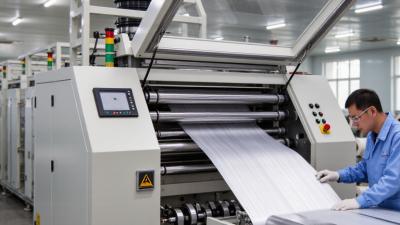
Drawing frames combine several slivers and pull them through rollers. The rollers make the fiber strand more even and improve alignment. Next, roving frames gently stretch and twist the sliver into a thinner strand. Spinning gives it the final twist and strength. The finished yarn is wound onto a package for later use. Small changes in fiber length, humidity, or roller settings can affect the result, so operators check yarn thickness and watch for breaks during production.
Tips: Keep the fiber feed steady. Check rollers for lint buildup. A clean machine helps, but it does not guarantee perfect yarn; settings may need adjustment when cotton quality changes.
How Yarn Quality Is Measured and Controlled
A cotton yarn making machine turns cleaned, aligned fibres into a continuous strand through drafting and twisting. Quality checks begin before spinning: uneven fibre length, moisture, or trash can later appear as weak places and irregular yarn. Test samples under controlled conditions. ISO 139 specifies a standard textile-testing atmosphere of 20 ± 2°C and 65 ± 4% relative humidity, reducing climate-related variation between measurements.
Small differences matter. A capacitive evenness tester records mass variation, commonly reported as CVm%, and identifies thin places, thick places, and neps per kilometre. ISO 16549 describes methods for measuring yarn unevenness, while ISO 2060 covers linear density, or yarn count. USTER STATISTICS 2023 provides industry benchmarks that mills use to compare test results with reference percentiles for similar yarn types. A comparison is meaningful only when yarn count and test settings match.
Control happens at the frame, not just in the lab. Operators check roller spacing, spindle speed, traveller wear, and room humidity, then compare samples from different machine positions. If CVm% rises, inspect drafting first; a worn roller can leave a repeating thick-and-thin pattern. Record each adjustment and retest. A single good cone proves little. Textile testing also has limits: sampling can miss local defects, so routine checks should include multiple positions and production times.