How to Choose a Cotton Yarn Manufacturing Machine in 2026?

Choosing a cotton yarn manufacturing machine in 2026 means matching equipment to the yarn, output, and operating conditions your mill can sustain. The market is substantial, but scale alone does not decide the right investment. Textile Exchange’s Materials Market Report 2024 estimates that global fiber production reached 124 million tonnes in 2023, with cotton accounting for about 20 million tonnes. That volume signals a competitive market, not a guarantee of profitable production.

Start with the yarn specification. A mill making fine ring-spun yarn needs a different configuration from one producing coarse open-end yarn. Check the full process: blowroom, carding, drawing, roving, and spinning. Then compare spindle or rotor speed, usable capacity, energy demand, automation, maintenance access, and spare-parts support. Ask suppliers to demonstrate performance with your cotton and target count. A polished brochure is not a trial run. Small details matter: lint buildup around a sensor, awkward access to a drafting roller, or an unclear service schedule can affect daily output. They are easy to overlook.

The Textile Exchange report provides market context; it does not establish machine performance. A named expert’s exact quotation should be checked against a primary source before publication. No verifiable quotation was supplied here, so attributing invented words to an expert would undermine trust. Use this guide to compare machines against measurable mill requirements—and leave room to question optimistic supplier claims.
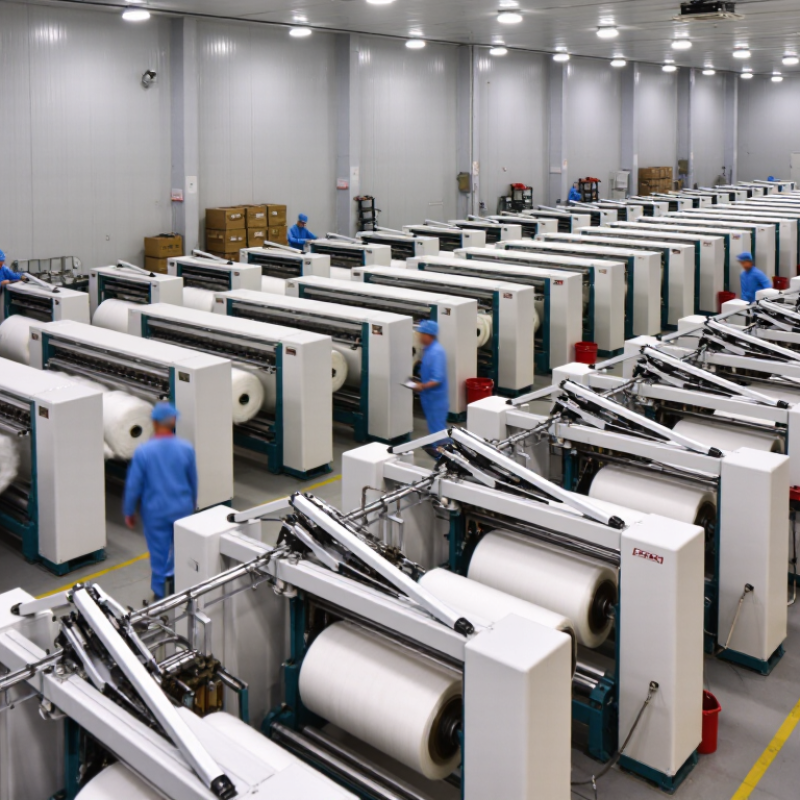
How to Choose a Cotton Yarn Manufacturing Machine in 2026?

Define Yarn Requirements: Count (Ne/tex), Twist (TPI), and ASTM D2256 Strength

For a cotton yarn manufacturing machine, define the yarn before comparing spindle speed or automation. Ne and tex describe linear density: Ne is an indirect count, while tex measures grams per 1,000 metres. Use the conversion tex = 590.5 ÷ Ne. A 20 Ne yarn is about 29.5 tex. USTER STATISTICS 2023 provides count-specific quality benchmarks, including yarn evenness and tenacity; use comparable cotton types and counts when reviewing its data. One benchmark cannot fit every end use.

Set twist in turns per inch (TPI) against the intended fabric and yarn count. For a practical estimate, twist multiplier × √Ne gives approximate TPI. At 20 Ne and a multiplier of 4, the result is about 18 TPI. Treat this as a trial setting, not a final recipe. More twist can improve cohesion, but may reduce softness or affect productivity. Run a small lot, then inspect the yarn under consistent lighting and record its actual twist.

Specify tensile strength using ASTM D2256/D2256M, the single-strand yarn tensile test method. Compare results only when conditioning, gauge length, pretension, and test speed match; otherwise, the numbers can mislead. USTER’s benchmark data can help frame a target, but your product specification should set the pass level. Keep the test sheet beside the machine settings. Small differences matter. Cotton variability can still make a tidy target difficult to hold, so review several packages rather than trusting one result.
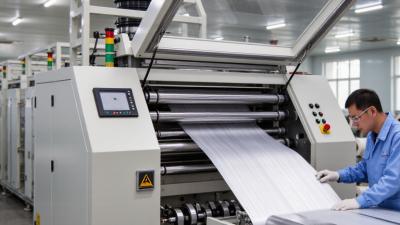
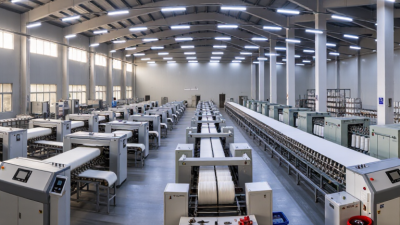
Compare Ring, Rotor, and Air-Jet Machines by Delivery Speed (m/min)

How to Choose a Cotton Yarn Manufacturing Machine in 2026?

Delivery speed changes the economics of cotton spinning, but maximum speed is not the same as usable output. Indicative technical ranges are about 15–25 m/min for ring spinning, 100–200 m/min for rotor, and 200–450 m/min for air-jet systems. These are broad operating bands, not guaranteed production figures. Lawrence’s Fundamentals of Spun Yarn Technology explains why yarn structure and process conditions matter; ITMF’s 2023 International Textile Machinery Shipment Statistics tracks machinery shipments, not delivery speeds. Check the actual machine specification and trial your intended cotton count.

Ring frames suit finer yarns and applications where strength and a familiar yarn character matter. Their slower delivery may require more frames and floor space. Rotor systems can deliver much faster, often with fewer process steps, but yarn properties differ from ring-spun yarn. Air-jet machines offer the highest delivery speeds in many configurations, though fiber length, yarn count, and compressed-air demand can narrow the practical advantage. Look closely at end-break rates and quality results during a sustained run. A neat spreadsheet can still mislead. Real output depends on setup, maintenance, and operator skill—not just the speed shown on a specification sheet.

Calculate Capacity from Spindle Count, Output (kg/day), and Shift Hours

How to Choose a Cotton Yarn Manufacturing Machine in 2026?

Start with the yarn count and daily demand, not spindle count alone. A finer yarn usually produces less weight per spindle than a coarser yarn. Ask for production figures based on your intended yarn count, spindle speed, and operating conditions. Then estimate daily output:

spindle count × kilograms per spindle per hour × shift hours × running efficiency. Divide by 1,000 if your production rate is given in grams.

For example, 1,000 spindles producing 0.012 kg per spindle each hour, across two eight-hour shifts, at 85% efficiency, yield about 163 kg per day. This is an estimate, not a guarantee. Real output changes with yarn specifications, machine stops, doffing, and maintenance. A clean schedule may look good on paper; a small delay repeated across shifts can reduce actual production. Compare the estimate with trial data from a similar yarn setup, and leave room for demand changes.

Tips: Confirm whether quoted output includes downtime. Record shift hours, breaks, cleaning, and changeovers separately. Recalculate with your own efficiency figure. It may be lower than expected. That is worth checking before choosing a machine.

Compare Energy Use (kWh/kg), Fiber Waste (%), and Automation Features

A cotton yarn machine should be judged by usable output, not its best-looking brochure figure. Compare energy use in kWh per kilogram of saleable yarn, and check whether the measurement includes drives, suction, and auxiliary equipment. Ask for test conditions: yarn count, cotton blend, moisture level, and production speed. A small change in fiber or machine loading can shift the result.

Small differences matter. Fiber waste needs an equally clear definition: compare input mass with yarn, recoverable waste, and discarded material over the same production run. Check whether short fibers and fly are collected or lost around the drafting zone. Automation can help maintain consistency through auto-doffing, yarn-break detection, drive control, and recipe settings. Useful alerts should identify a stoppage, not merely flash a warning. Request a monitored trial using your own cotton, then compare energy and waste across several shifts. A neat dashboard is not proof. I would still question results gathered during a brief, unusually smooth run. Examine operator workload, cleaning frequency, and whether settings are easy to verify. The better choice is the machine whose measured performance holds under ordinary mill conditions.

How to Choose a Cotton Yarn Manufacturing Machine in 2026?

Compare indicative energy use, fiber waste, and automation features across common cotton-spinning configurations.

Indicative Cotton Yarn Manufacturing Comparison
Spinning Configuration Indicative Energy Use
(kWh/kg of yarn)
Indicative Fiber Waste
(% of cotton input)
Typical Automation Features Common Fit
Ring spinning 2.5–4.0 8–14% Automatic doffing options; centralized process monitoring; clearer and winding automation available; operator attention is generally needed for piecing and frame tending. Broad count range, especially fine and medium yarns where strength and yarn quality are priorities.
Compact ring spinning 2.8–4.5 8–14% Ring-frame automation with compacting suction and monitoring; automated doffing and winding can be integrated. Suction systems require attention to settings and maintenance. Fine and premium yarns where reduced hairiness and improved yarn properties are sought.
Rotor (open-end) spinning 1.5–3.0 10–16% Automatic piecing and doffing are common options; package handling and production monitoring can be highly automated; rotor cleaning and condition monitoring support stable running. Coarse to medium counts and applications suited to rotor yarn characteristics, often with high production rates.
Air-jet spinning 3.5–5.5 8–15% Automated piecing, package handling, and machine monitoring are available; compressed-air supply and pressure monitoring are important operating considerations. Selected medium and finer counts where high delivery speeds and low-hairiness yarns are useful.

How to interpret the figures: These are indicative planning ranges, not guaranteed machine specifications. Energy use depends on yarn count, raw cotton, production speed, machine condition, utilization, and which auxiliaries are included. Fiber waste is shown as gross process waste as a percentage of cotton input; some waste may be recovered or reused. Request comparable trial data from suppliers using the same yarn count, fiber mix, production boundary, and waste-accounting method before making a purchase decision.

Verify Yarn Count with ISO 2060 and Assess Uptime, Maintenance, and Service

Yarn count Yarn count claims should be checked against samples, not a machine brochure. ISO 2060 specifies methods for determining the linear density of yarns from packages. Agree with the supplier which method applies, how samples will be conditioned, and how many packages will be tested. Small details matter.

Record the measured count and variation across packages, then compare them with your production tolerance. Test yarn made at the intended speed and settings; a slow trial may hide problems that appear during continuous running. Keep the results with the machine settings and sample details. Repeat the check after adjustments. Counts can drift.

Uptime Uptime needs equally concrete evidence. Ask for a maintenance schedule, routine service intervals, and a list of wear parts held locally. Check how long common repairs take, and whether operators can replace accessible parts safely. Request a service-response commitment in writing. Then speak with a comparable mill, if possible. A clean demonstration is not a full production shift. Notice noise, vibration, lint buildup, and time lost during changeovers. Some estimates will still be uncertain, so leave room in the plan for an unplanned stop.