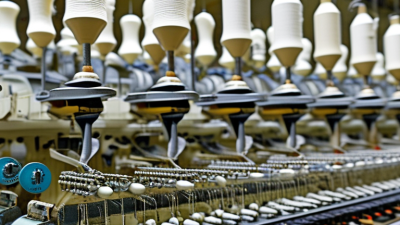
Choosing a yarn manufacturing machine in 2026 means balancing yarn quality, production capacity, automation, and operating costs. The cheapest quotation can become expensive when power consumption rises or spare parts arrive late. Details matter. A mill producing cotton knitting yarn needs different equipment from a plant processing recycled polyester or coarse industrial yarns. This guide examines major machine types and the factors behind their prices, helping buyers compare equipment against actual production requirements.
Ring spinning, rotor spinning, and air-jet spinning offer different combinations of speed, yarn characteristics, and investment requirements. Preparation equipment also matters, including blowroom machinery, cards, draw frames, and roving frames where required. Textile machinery pioneer Sakichi Toyoda is widely credited with advising, “Before you say you can’t do something, try it.” For equipment buyers, that advice suggests a practical step: request spinning trials using your own fiber blend. Check yarn evenness, imperfections, strength, and waste against agreed specifications. Test before buying. One successful demonstration, however, cannot establish performance across every raw-material batch or operating condition.
Prices require context. A quotation may cover one machine, while another includes installation, auxiliary equipment, training, and commissioning. Compare spindle or rotor counts, automation features, local service availability, and stated delivery terms before judging value. Any 2026 price range should be treated as indicative until a supplier confirms the configuration and commercial terms. There is an uncomfortable trade-off here: higher automation may reduce manual handling while increasing maintenance complexity. The best investment depends on what your mill can operate reliably, measure consistently, and support over time.
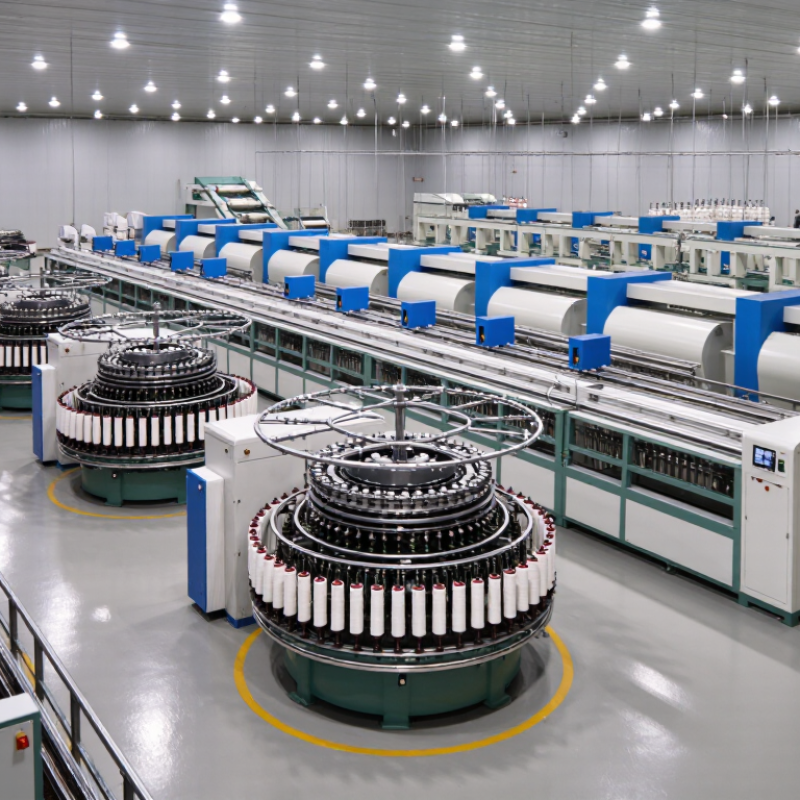
Fiber preparation turns compressed bales into a clean, consistent feed for spinning. Opening machines loosen fiber tufts, while cleaners remove trash before carding separates fibers and forms sliver. For finer cotton yarns, combing removes additional short fibers, although it also increases material loss.
Check the waste. Excessive extraction can discard usable fiber, so cleaner settings need adjustment for each raw material batch. When comparing 2026 equipment prices, check whether quotations include feeding systems, filters, and waste collection.
Drawing machines combine several slivers, then use successive roller pairs to straighten fibers and reduce thickness variation. An autoleveller adjusts drafting to help maintain consistent sliver mass.
Consistency matters. However, it cannot fully compensate for poor blending or damaged fibers upstream. Operators should inspect roller surfaces and compare sliver test results before increasing delivery speed. A faster machine may disappoint if frequent stops erase its expected production gains.
Spinning converts the prepared strand into yarn through further drafting and yarn formation. Ring spinning generally requires a roving stage; rotor spinning typically receives drawn sliver directly. Air-jet systems use compressed air to form yarn, with suitability depending on fiber properties and fabric requirements.
Compare machines using the same yarn count, raw material, and quality target. Purchase price alone leaves an incomplete picture: power, compressed air, maintenance, and saleable output affect manufacturing cost. Request production trials, because a supplier’s rated speed may exceed the speed your fiber blend can sustain.
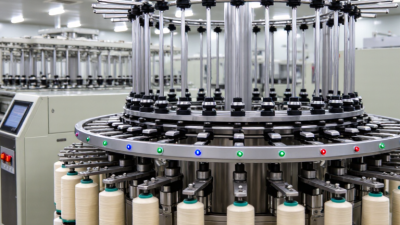
Ring spinning machines remain a practical option for producing cotton and blended yarns with controlled twist and consistent strength. In 2026 equipment comparisons, spindle speeds up to 25,000 rpm deserve attention, but they require careful interpretation. That figure usually represents an upper operating limit, rather than a suitable speed for every yarn specification. Yarn count, fiber length, ring diameter, and traveler selection all influence the usable speed. Speed needs context. A coarse yarn may require slower operation because increased traveler friction generates heat and raises breakage risks.
For preliminary budgeting, new industrial ring spinning frames can range from roughly US$100,000 to over US$500,000, depending on spindle count and automation. Treat this range cautiously: delivered quotations can differ substantially by configuration, destination, installation requirements, and included accessories. Automatic doffing, compact spinning attachments, and monitoring systems can increase the purchase price. Compare equivalent configurations. A lower quotation may exclude transport, commissioning, spare travelers, or essential auxiliary equipment. Request an itemized quotation showing these costs separately.
Before accepting a 25,000 rpm specification, request a production trial using your intended fiber blend and yarn count. Record end breaks per 1,000 spindle-hours, yarn unevenness, hairiness, and electricity consumption per kilogram. Also inspect package formation and winding performance. A short trial remains imperfect; it may miss humidity changes, traveler wear, and quality variations between fiber batches. Running slightly slower can sometimes deliver more saleable yarn across a full shift.
Rotor spinning machines deserve attention in 2026 equipment budgets, with some configurations reaching rotor speeds up to 200,000 rpm. That figure represents a maximum, not a guaranteed production setting. Rotor diameter, fiber characteristics, yarn count, and contamination affect practical operating speeds. Speed needs context. Textile Exchange’s Materials Market Report 2024 estimated global cotton production at approximately 24.4 million tonnes in 2023. That scale makes processing efficiency commercially significant, although global fiber figures cannot predict an individual mill’s returns.
At 200,000 rpm, producing yarn with 800 turns per meter implies a theoretical delivery speed of 250 meters per minute. This calculation divides rotor speed by yarn twist; it excludes stoppages and operating constraints. Actual output varies. Higher speeds can increase demands on rotor cleanliness and process control. For recycled cotton blends, trial runs should track yarn strength, unevenness, imperfections, and end breaks. A fast setting may look attractive while producing unacceptable yarn.
For 2026 pricing, request quotations specifying rotor positions, automation, cleaning systems, installation, and spare parts. A machine price without these details offers a weak comparison. Calculate investment per spinning position, then compare energy consumption per kilogram under matching yarn specifications. This comparison remains imperfect: short trials can miss maintenance costs and seasonal raw-material changes. Ask suppliers to document trial duration, fiber composition, waste percentage, and saleable output before accepting productivity claims.
Compare rotor spinning machine configurations, automation features, technical capabilities, and purchase-price considerations.
| Machine Type | Automation and Operation | Rotor-Speed Considerations | Typical Production Use | 2026 Purchase Price | Main Price Drivers |
|---|---|---|---|---|---|
| Manually serviced rotor spinning machine | Operators perform servicing tasks such as piecing after yarn breaks and changing full packages; equipment features vary by model. | The permitted speed depends on the rotor, spinning components, raw material, and yarn specification. Confirm the rated maximum for the offered configuration. | Open-end yarn production where labor availability and initial equipment cost are important selection factors. | Supplier quotation required. No single price applies across machine lengths, specifications, and delivery markets. | Number of spinning positions, drive system, spinning components, yarn monitoring, and included accessories. |
| Semi-automatic rotor spinning machine | Selected servicing operations receive mechanical or electronic assistance, while operators remain involved. The scope of automation varies by model. | Automation level alone does not determine maximum rotor speed. Compare the actual rotor and process specifications. | Mills seeking assisted operation while retaining operator involvement in machine servicing. | Supplier quotation required. Compare offers with equivalent spinning-position counts and automation features. | Piecing assistance, package-handling equipment, machine length, monitoring options, and installation scope. |
| Fully automatic rotor spinning machine | Automated servicing can include rotor cleaning, yarn piecing, and package doffing, depending on the selected system. | Selected high-performance configurations support rotor speeds up to 200,000 rpm. This capability is not universal across machines or yarn recipes. | Continuous yarn production where automated servicing and reduced manual intervention are priorities. | Supplier quotation required. The final price depends on the complete machine configuration and commercial terms. | Spinning-position count, servicing units, automatic doffing, quality monitoring, transport systems, and software options. |
| Data Dimension | Technical Information | What to Confirm Before Ordering |
|---|---|---|
| Maximum rotor speed | Up to 200,000 revolutions per minute on selected commercial configurations. | Whether the quoted rotor diameter, yarn count, fiber blend, and quality requirements permit operation at the advertised maximum. |
| Spinning method | Open-end rotor spinning: fibers are separated from a sliver, collected in a rotating rotor, and formed into yarn. | Compatibility of the spinning components with the intended raw material and yarn specification. |
| Feed material | Prepared fiber sliver, normally supplied in cans. | Required sliver linear density, preparation quality, can dimensions, and feeding arrangement. |
| Fiber compatibility | Cotton, suitable man-made staple fibers, and blends can be processed. Recycled-fiber suitability depends on fiber properties and preparation. | Fiber length, fineness, cleanliness, blend composition, and trial results for the proposed material. |
| Rotor speed versus yarn delivery speed | Rotor speed is expressed in rpm; yarn delivery speed is expressed in m/min. They describe different operating quantities. | The guaranteed delivery speed and yarn quality for the intended yarn count and twist. |
| Illustrative delivery calculation | Using the nominal relationship delivery speed = rotor speed ÷ yarn twist, 120,000 rpm ÷ 600 turns/m gives 200 m/min. | This is a calculated operating example, not a machine performance guarantee. Actual settings must remain within equipment and process limits. |
| Production capacity | Output depends on active spinning positions, yarn linear density, delivery speed, and operating efficiency. | Guaranteed output for a defined yarn recipe, together with assumptions about stoppages, servicing, and waste. |
| Energy comparison | Specific energy consumption can be compared in kWh per kilogram of yarn under equivalent production conditions. | Whether the figures include suction, compressed air, and auxiliary equipment, and whether yarn specifications match. |
| Comparable price basis | Machine price and price per installed spinning position are useful purchasing measures when specifications and supply scope are equivalent. | Currency, quotation date, machine condition, position count, automation, delivery terms, warranty, and payment terms. |
| Installed project cost | The total investment may include freight, duties, taxes, installation, commissioning, utilities, training, and spare parts. | Which items are included in the quotation and which require a separate budget. |
Air-jet spinning machines use compressed air to wrap surface fibers around a largely parallel fiber core. Delivery speeds can reach 500 m/min on suitable machines, but that figure represents capability rather than guaranteed production. Fiber length, yarn count, sliver preparation, and quality targets affect the operating speed. Speed needs context. At 500 m/min, one continuously running position theoretically delivers 30 kilometers of yarn per hour, before stoppages and waste. Actual output depends on efficiency.
For 2026 pricing, request quotations that specify spinning positions, automation, installation, and auxiliary equipment. A machine-only price can exclude compressors, air treatment, freight, and commissioning. Compare quotations using the same yarn specification and equipment scope. Compressed air deserves attention because its electricity demand contributes to operating costs. Ask suppliers for measured air consumption and power demand under your proposed production conditions. The cheapest quotation may become less attractive after maintenance, spare parts, and energy expenses are included.
Air-jet yarn commonly offers low hairiness, making it useful where surface cleanliness and pilling performance matter. However, strength and fabric feel still require application-specific testing. Check the samples. Request trial packages made from your intended fiber blend, then evaluate yarn evenness, imperfections, strength, and downstream performance. Running at maximum speed may look impressive while producing more quality rejects than an economically useful setting. That compromise is easy to underestimate when comparing specification sheets.
Theoretical yarn length delivered over different operating periods at the maximum speed stated in the article title.
At a constant delivery speed of 500 m/min, one spinning position theoretically delivers 30 km of yarn per hour. Values are calculated using yarn length (km) = speed (m/min) × operating time (min) ÷ 1,000. These are calculated delivery lengths, not measured production results or verified 2026 machine specifications. Actual output depends on operating speed, downtime, yarn characteristics, and the number of active spinning positions.
For 2026 yarn manufacturing budgets, compare ring, rotor, and air-jet machines by usable output and cost per kilogram. Ring spinning supports varied yarn counts, while rotor spinning often suits coarser yarns and higher output. Air-jet systems offer high delivery speeds, but fiber suitability and yarn characteristics need careful checking. Quotes can mislead. A machine-only price may exclude carding, drawing, installation, compressed air, and operator training. Request identical specifications before comparing capacity or automation premiums.
Consider two illustrative budgets, not verified 2026 market quotations: $100,000 for lower automation and $180,000 for higher automation. Assume annual saleable output reaches 100,000 kg and 200,000 kg, respectively. Over five years, purchase-cost allocation equals $0.20/kg and $0.18/kg, excluding financing and residual value. The higher purchase price therefore produces a slightly lower equipment cost per kilogram.
However, total conversion cost also includes electricity, labor, maintenance, consumables, and rejected yarn. Downtime matters. These output assumptions may be optimistic, especially during commissioning or frequent yarn-count changes.
Tips: Ask suppliers to trial your actual fiber blend and target yarn count. Record saleable kilograms, electricity consumption, waste percentage, and staffing across a complete shift. Check whether quoted capacity means theoretical production or acceptable finished yarn. My example leaves out building costs and taxes, so it needs adjustment before supporting an investment decision. A cheaper machine may still be economical when local maintenance is faster and spare parts are readily available.