Why Choose an Automatic Wool Spinning Machine?

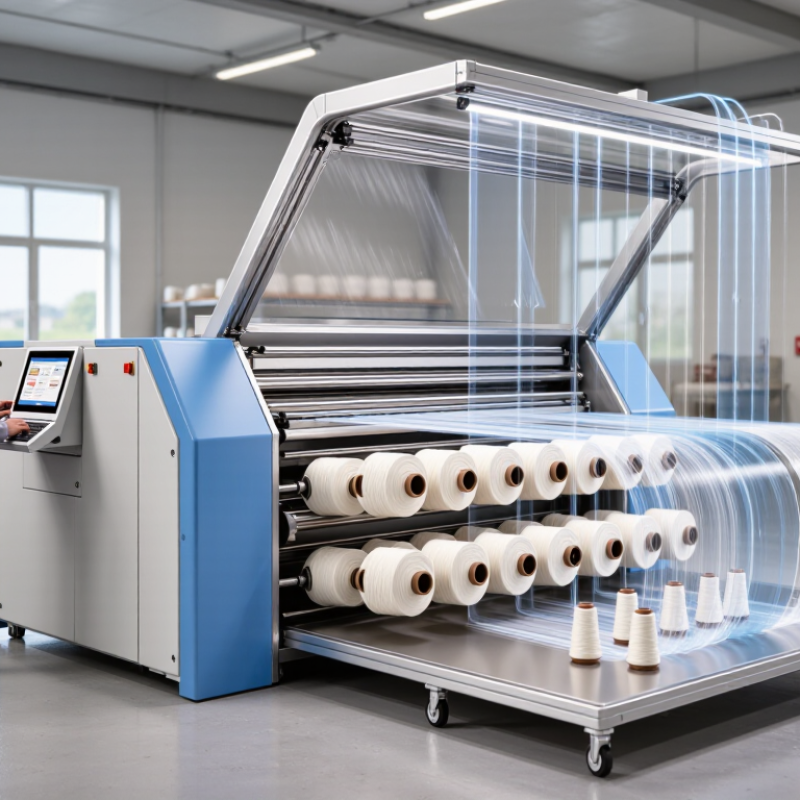
Choosing an automatic wool spinning machine is a production decision, not merely an equipment purchase. It affects yarn consistency, labor requirements, energy use, and daily workflow. In a modern mill, the machine must handle delicate wool fibers without creating excessive breakage or uneven tension.

Dr. Thomas Gries, a respected textile-engineering researcher, has expressed a useful principle: “Automation must support process stability, not replace process understanding.” This idea fits wool spinning especially well. An automatic wool spinning machine can monitor drafting, control spindle speed, and reduce manual adjustments. Operators can then focus on fiber preparation, quality checks, and maintenance. The result may be steadier yarn with fewer interruptions.

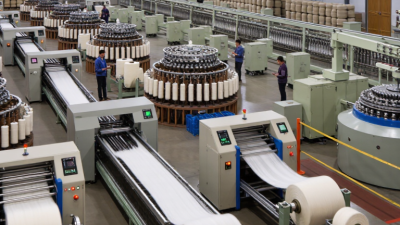
The benefits are visible on the factory floor. Bobbins fill more evenly. Thread breaks become easier to trace. Production records become clearer. However, automation is not magic. Poorly prepared wool, incorrect settings, or weak operator training can still produce disappointing yarn. That part deserves honesty.

A suitable machine should match the wool grade, yarn count, mill capacity, and maintenance skills available. Its control system should be practical, not confusing. Spare parts and technical support also matter during a busy production week. Buyers should examine trial results, not rely only on attractive specifications.

The right automatic wool spinning machine can improve efficiency while preserving careful craftsmanship. It should reduce repetitive work without removing human judgment. That balance is often the real measure of successful automation.
Why Choose an Automatic Wool Spinning Machine?

Wool Fiber Basics: 11.5–40 μm Diameter Requires Precise Spinning Control (IWTO)

Why Choose an Automatic Wool Spinning Machine?

Wool fibers commonly range from 11.5 to 40 μm in diameter, according to IWTO references. That is a wide technical range. Fine merino fibers feel soft, while coarser fibers often provide strength and structure. Each type reacts differently during drafting, twisting, and winding. Small errors accumulate.

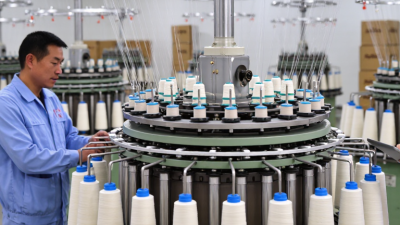
An automatic wool spinning machine helps control these changes with consistent settings. Sensors can monitor yarn tension, delivery speed, and spindle behavior during production. This matters when a thin fiber bundle enters a faster drafting zone. Excess tension may create weak spots. Too little tension can cause uneven yarn and frequent breaks. In practical mill operation, stable humidity also affects fiber movement and static buildup.

Automatic control reduces manual adjustment, but it does not remove the need for skilled operators. Fiber lots can vary, even when test results look similar. A careful technician still checks yarn appearance, tensile strength, and twist regularly. The first setting may not be correct. That is normal. Operators often refine drafting ratios after examining the yarn under magnification. A reliable machine makes those corrections more repeatable, especially when processing wool between 11.5 and 40 μm. It also records production data, helping teams connect a rough yarn surface with changes in tension or moisture. That evidence supports better decisions than visual judgment alone.
Global Wool Supply: Approximately 1 Million Tonnes Enter Mills Each Year (IWTO)

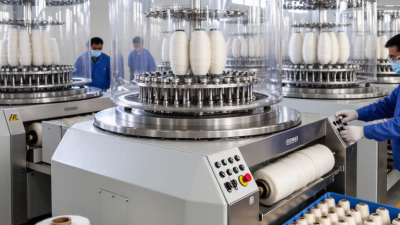
Global wool supply is not a small stream. Approximately 1 million tonnes enter mills each year, according to International Wool Textile Organisation market reports. FAOSTAT livestock production data also shows wool remains a significant agricultural material across several producing regions. This volume creates pressure on mills to maintain stable output, yarn quality, and traceability. An automatic wool spinning machine can support these demands through controlled feeding, drafting, twisting, and winding. The scale matters.

In a busy mill, raw wool may vary in fiber length, moisture, color, and cleanliness. Automatic systems adjust machine settings more consistently than manual operation alone. Sensors can monitor spindle speed, yarn tension, and unexpected breaks. Operators then respond before small faults become long production stoppages. This reduces repetitive adjustments and helps maintain a more even yarn count. It can also improve workplace consistency during extended shifts.

Automation is not magic. Poor fiber preparation, incorrect humidity, or weak maintenance can still damage performance. Skilled technicians remain essential for calibration and quality checks. The strongest results usually come from combining machine data with practical mill experience. A useful production record should include downtime, waste, break frequency, and energy consumption. These figures make investment decisions more reliable than impressive speed claims. IWTO data explains the market pressure; daily mill records reveal whether automation truly answers it.

Automatic Drafting: Maintain Consistent Yarn Counts from 15 to 100 tex

Why Choose an Automatic Wool Spinning Machine?

Automatic drafting helps maintain consistent yarn counts from 15 to 100 tex. This range covers fine knitting yarns and heavier weaving yarns. The drafting system controls fiber flow between rollers. It reduces sudden thickness changes before twisting begins. Operators can monitor sliver movement and adjust settings quickly. The yarn feels more even through the fingertips.

This matters because wool is a limited but valuable fiber. Textile Exchange’s Materials Market Report 2024 places wool at about 1% of global fiber production. Such scarcity makes waste reduction important. The International Wool Textile Organisation also highlights quality consistency as a key value in wool processing. Automatic drafting supports that goal by correcting feed differences during production. It cannot repair poor fiber preparation, though. That part still demands experience. Real factories are never perfectly stable.

Tips: Test several fibers before full production. Record draft settings, moisture, and roller pressure. Check yarn mass at regular intervals, not only at the machine. A 15 tex yarn may expose variation faster than a 100 tex yarn. Keep a small sample from each batch. It helps compare actual results with laboratory readings. Calibration is easy to postpone. That is often the mistake.

Why Choose an Automatic Wool Spinning Machine?

Automatic drafting supports consistent yarn counts across a practical range from 15 to 100 tex. Tex expresses yarn linear density as grams per 1,000 meters, so higher values represent heavier yarn.

Quality Measurement: Apply ISO 2060 for Yarn Linear-Density Testing

Why Choose an Automatic Wool Spinning Machine?

Quality begins with measurable yarn, not visual judgment. ISO 2060 defines a practical method for testing yarn linear density through skein length and mass. Tex expresses grams per 1,000 meters. This gives operators a clear target during wool spinning. An automatic machine can maintain steadier drafting, winding, and tension, reducing variation between packages. Small errors matter.

Textile Exchange’s Materials Market Report 2024 estimates global fiber production reached about 124 million tonnes in 2023. Wool represented less than 1% of that volume, making consistent quality especially important in a limited natural-fiber supply chain. The IWTO Wool Market Information 2024 report also places annual greasy wool production near one million tonnes. These figures show why every kilogram deserves careful control. In practice, I would test conditioned samples, record the reel length, and calculate mass-based tex values. ISO 2060 is reliable, but sampling mistakes can still distort results. That limitation deserves attention.

Tips:

Use the same conditioning environment before testing. Check reel speed and tension regularly. Compare several skeins, not one. Keep the original test records beside machine settings. A lightweight wool yarn may feel even, yet its measured linear density can reveal hidden variation. Review the data before adjusting production.

Investment Analysis: Compare Labor, Waste, Energy, and Payback per Kilogram

An automatic wool spinning machine deserves a kilogram-based investment test, not a brochure-based decision.

Textile Exchange’s 2024 Materials Market Report places wool at roughly 1% of global fiber production. This limited scale makes stable utilization especially important. A machine running below 60% capacity can weaken the business case quickly.

Labor is usually the clearest variable. Record operators per shift, wage burden, overtime, and training hours before purchasing. Automation may reduce repetitive drafting and winding work, but it will not remove maintenance or quality-control duties.

A practical model compares labor cost per kilogram with electricity, maintenance, depreciation, and financing. The U.S. Department of Energy reports that motor-driven systems can represent more than half of industrial electricity use. However, actual savings depend on motor efficiency, line speed, and idle time.

Waste tells another story.
Measure fiber loss at opening, drafting, spinning, and cleaning stages. Even a 1% reduction matters when premium wool is expensive. Textile Exchange also stresses better material traceability and resource efficiency across fiber systems.

For payback, assume a machine costs £180,000 and processes 180,000 kilograms yearly. If it saves £0.45 per kilogram, annual savings reach £81,000, before maintenance and interest. The simple payback is about 2.2 years.

That estimate is imperfect. Energy tariffs, yarn quality, downtime, and seasonal supply can change it sharply. Run a three-month production trial before trusting the spreadsheet.