What Is the Best Home Wool Spinning Machine in 2026?
Choosing a home wool spinning machine in 2026 is less about chasing speed and more about matching a tool to your hands, fiber, and space. A soft merino fleece behaves differently from springy Corriedale, and a wheel that suits fine lace yarn may feel frustrating with bulky singles. Small details matter. Check the drive system, bobbin capacity, tension adjustment, portability, and availability of replacement parts before buying.
The market needs careful reading. Textile Exchange’s Materials Market Report 2024 estimates that wool makes up less than 1% of global fiber production. That figure describes fiber supply, not home spinning machine sales; no comparable, widely recognized report tracks this small equipment category directly. Treat broad textile-market growth claims as context, not proof that a particular machine is best. Hands-on testing, clear specifications, and dependable manufacturer support are more useful evidence.
Alden Amos, author of The Big Book of Handspinning, is a respected handspinning authority. A practical paraphrase of his equipment-focused approach is to choose a wheel for the yarn and fiber you intend to make—not for its appearance alone. Not just speed. This guide compares beginner-friendly and experienced-spinner options, including trade-offs in noise, setup, maintenance, and value. Some rankings remain imperfect: personal comfort is hard to measure, and one spinner’s smooth treadling may feel awkward to another. Use the recommendations as a shortlist, then test a machine with your own hands when possible.
Define Home Wool Spinning Machines by Drive System and Spindle Design
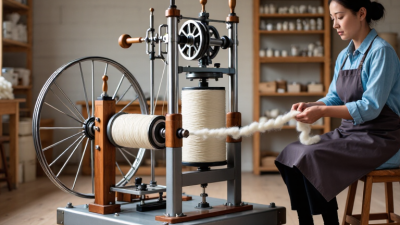
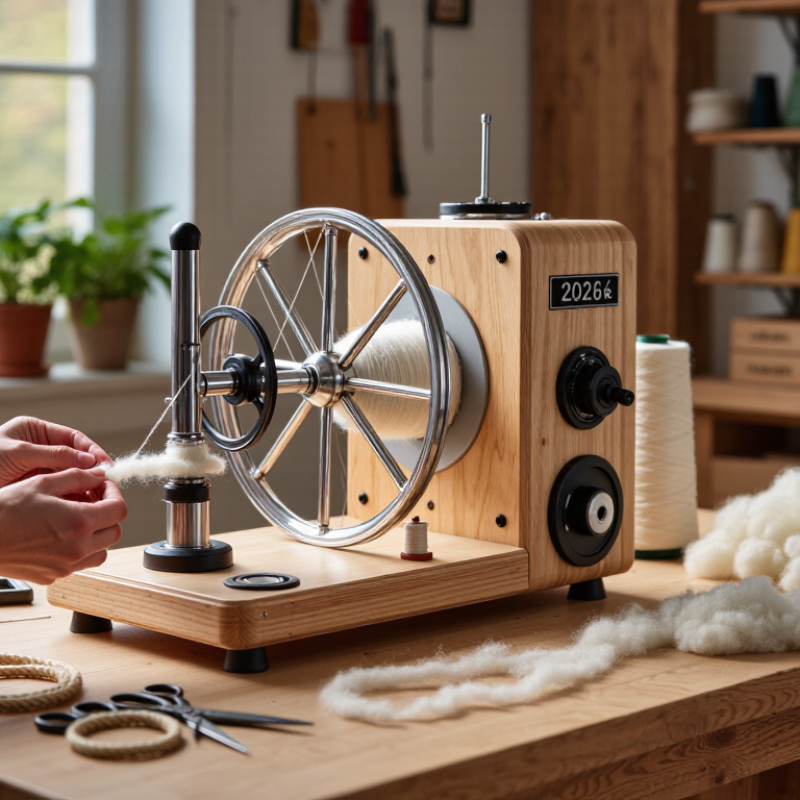
A home wool spinning machine is best understood by how it moves the wheel and how it holds the spindle. With a treadle-driven wheel, your foot supplies steady motion while both hands guide the fiber. This can feel calm and responsive, though uneven treadling may produce lumpy yarn at first. Electric drive reduces the effort needed to keep the wheel turning. It suits longer sessions or limited mobility, but speed control still takes practice. Start slowly. Watch how the twist travels into the drafted fiber, not just how fast the wheel spins.
Spindle design shapes the yarn’s path and the machine’s feel. A flyer-and-bobbin setup twists fiber and winds finished yarn onto the bobbin as you work. Different ratios and bobbin sizes affect take-up, so check whether the machine can handle both fine wool and thicker singles. A suspended spindle instead hangs from the yarn and rotates freely; it is compact, but managing its weight takes coordination. For home use, consider noise, adjustment access, cleaning, and available space. A quiet motor can still feel abrupt. I would test a sample of your own washed wool before deciding, because staple length and crimp can change how a machine behaves.
What Is the Best Home Wool Spinning Machine in 2026? — Define Home Wool Spinning Machines by Drive System and Spindle Design
| Machine Type | Drive System | Spindle Design | How Yarn Is Formed | Typical Home Use | Main Advantages | Points to Consider | Best Fit |
|---|---|---|---|---|---|---|---|
| Single-treadle spinning wheel | One foot-operated treadle drives the wheel; the spinner coordinates treadling with drafting. | Usually a flyer-and-bobbin assembly. The flyer twists the drafted fiber and guides yarn onto the bobbin. | Foot power turns the drive wheel while the hands control fiber supply and yarn thickness. | Regular indoor spinning, learning wheel technique, and making a range of wool yarns. | Leaves both hands available for drafting; provides continuous spinning without an electric motor. | Requires coordination and practice. Speed and output depend on the spinner and wheel setup. | Beginners or hobby spinners who want a traditional, hands-free drive system. |
| Double-treadle spinning wheel | Two foot-operated treadles drive the wheel, allowing alternating leg movement. | Commonly uses a flyer-and-bobbin assembly, with different ratios or flyer setups available by design. | Foot motion powers the wheel; the flyer inserts twist and winds yarn onto the bobbin. | Frequent home spinning and longer sessions where a balanced treadling rhythm is preferred. | Alternating feet can feel smooth and balanced for some spinners; hands remain free for drafting. | Needs floor space and a comfortable seated position. Two treadles do not guarantee faster spinning. | Spinners who prefer a steady foot-powered rhythm for extended sessions. |
| Electric spinning wheel | An electric motor drives the spinning mechanism; speed is generally controlled by a pedal or control. | Many home models use a flyer-and-bobbin assembly, though bobbin capacity and take-up vary by design. | The motor turns the flyer or drive system while the spinner drafts fiber by hand. | Indoor spinning where powered operation, adjustable speed, or reduced treadling is desirable. | Does not require foot-powered treadling; speed can often be adjusted while spinning. | Requires a power source or charged battery, depending on the design. Motor noise and speed response vary. | Spinners who want powered operation or prefer not to treadle. |
| Compact or portable electric spinner | A small electric motor drives the spinning assembly; some designs use a foot control and others use a hand control. | Often a compact flyer-and-bobbin arrangement; some designs use a small spindle-based mechanism. | Motor-driven rotation inserts twist, while the spinner controls drafting and yarn take-up. | Small workspaces, demonstrations, travel, or spinning in short sessions. | Typically takes less space than a full-size wheel and can be easier to transport. | Compact size may mean smaller bobbins or a different working feel. Check stability, controls, and power requirements. | Spinners prioritizing portability and a small storage footprint. |
| Spindle-wheel or charkha-style spinner | Hand-cranked or wheel-driven, depending on the construction; rotation is transferred to a spindle. | A rotating spindle collects yarn directly rather than using the typical flyer-and-bobbin arrangement. | The spindle twists drafted fiber and stores the spun yarn on the spindle. | Fine yarns, compact spinning setups, and spinners interested in spindle-based methods. | Can be compact and uses a direct spindle approach; the design may suit fine, controlled spinning. | Yarn handling and winding differ from flyer-wheel spinning. The learning curve and output depend on technique. | Spinners who specifically want a spindle-based machine rather than a flyer wheel. |
How to choose: For a versatile home setup, compare drive preference, available space, comfort, speed control, and bobbin or spindle capacity. A flyer-and-bobbin wheel is a common choice for general-purpose wool spinning; the best option depends on the spinner’s needs and technique.